WHO WANTS TO BE A FARMER TODAY ?
by CATERINA SUZZI
Despite being one of the most fertile and sunniest regions in France, the Alpes-Maritimes department today has the lowest rate of food self-sufficiency in the country. The loss of agricultural land there is four times higher than the national average. And more than eight out of ten farms have disappeared. Why?
I was 15 when I first visited the French Riviera. My parents fell in love with this region, nestled between the sea and the mountains, where they bought a house in the late 1990s. We spent countless vacations there, and seven years ago, I decided to settle in the same village with my family. Over the years, I have been able to closely observe how much the area has changed due to extraordinary urbanisation.
In addition to the structural difficulties of farming, land pressure is such that many farmers approaching retirement – more than half of farm managers or co-farmers are over 55 –accept generous offers from real estate promoters.
The issue of generational renewal in the profession is becoming a major challenge for the future of the agricultural sector in this region, where it is almost impossible to find land or funds to buy it when your not a farmer’s successor. Luckily, there are organizations such as Society for Land Development and Rural Settlement, Safer, that support project promoterswho want to start a new farm business, and aid such as the Young Farmers Grant, DJA, is crucial in facilitating the process of setting up a farm.
But how to learn a profession that was previously passed down from father to son?
Nathalie
Axelle
Alexandre
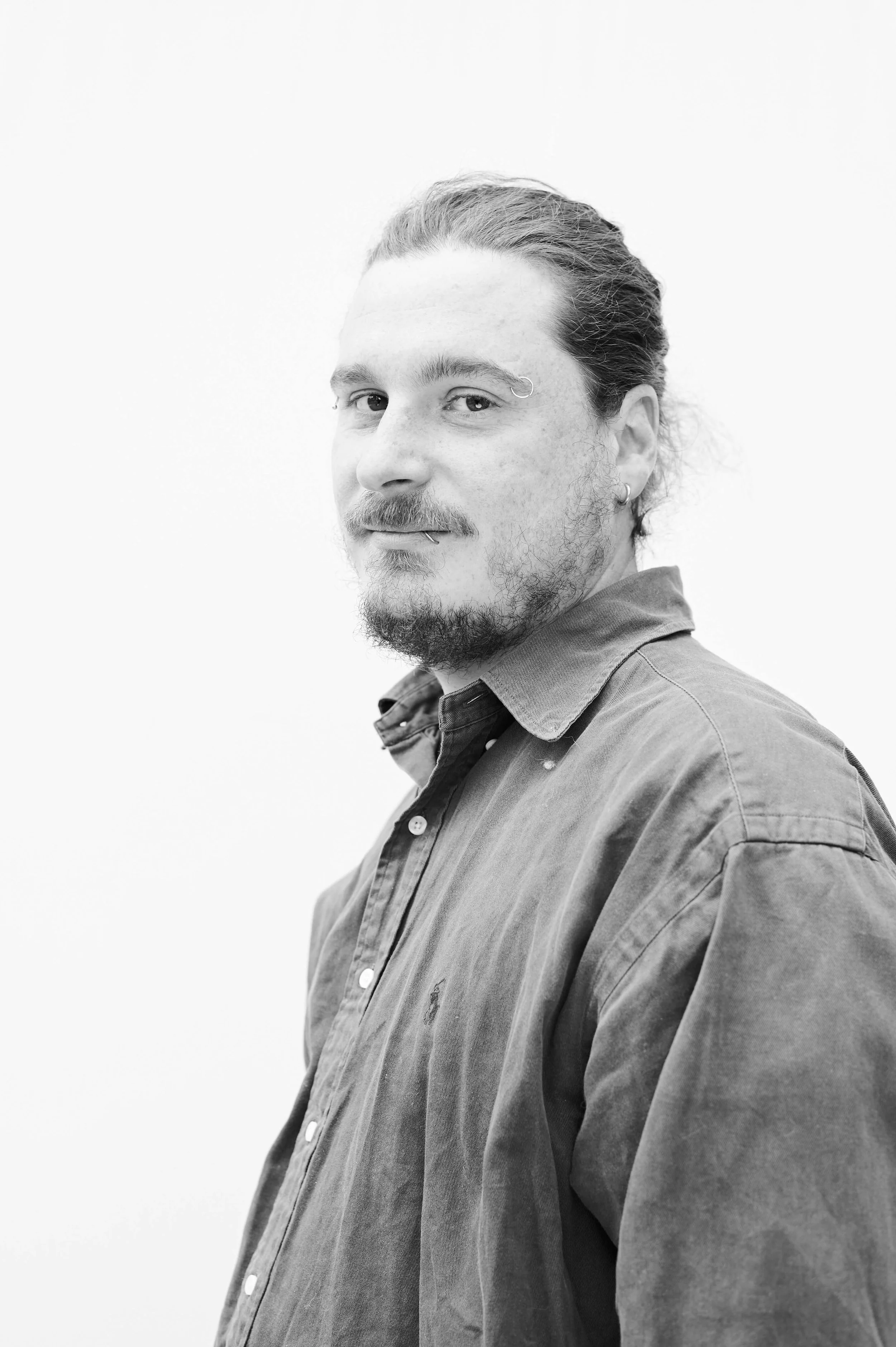
Driven by curiosity to find out who wants to become a farmer in the Alpes-Maritimes today, I decided to meet those who have chosen to change career or to train at the Campus Vert d’Azur, BP REA in Antibes, where in two years time one can earn a professional certificate in agricultural business management. It is a training program which enables participants to set up as farm managers or become employees on one of these farms.
The program, which involves around 20 teachers, provides access to funding aimed at helping young as well as older farmers to set up in the region.
They are modern-day heroes to me. Their motivations for choosing this challenging path are a demonstration of their altruism. Most of them are not only committed to feeding others by restoring or preserving natural resources, but above all in embarking on a journey of self-sufficiency and personal liberation.
They want to forge links with their family history or show their children a career path in line with environmental protection.
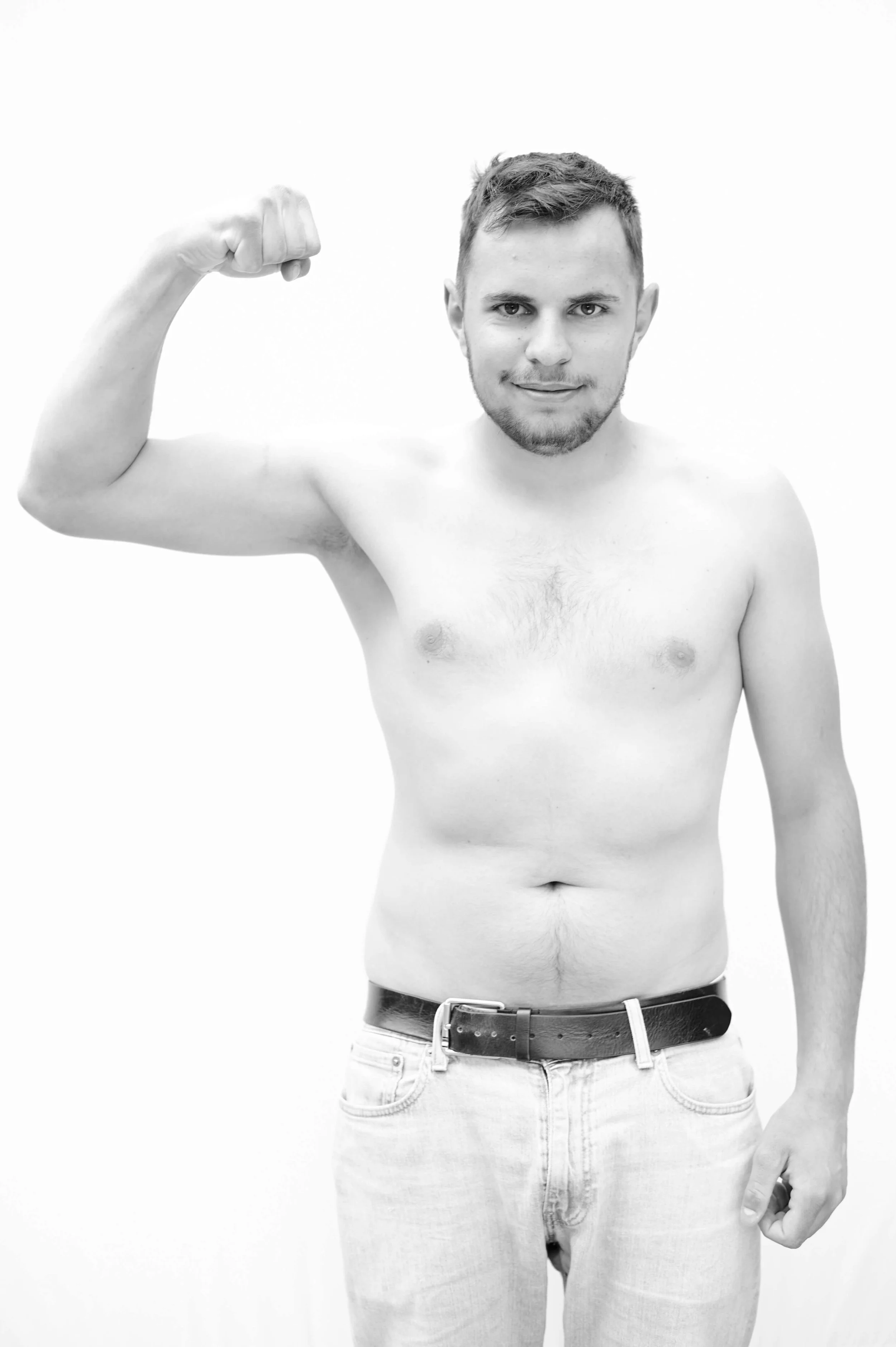
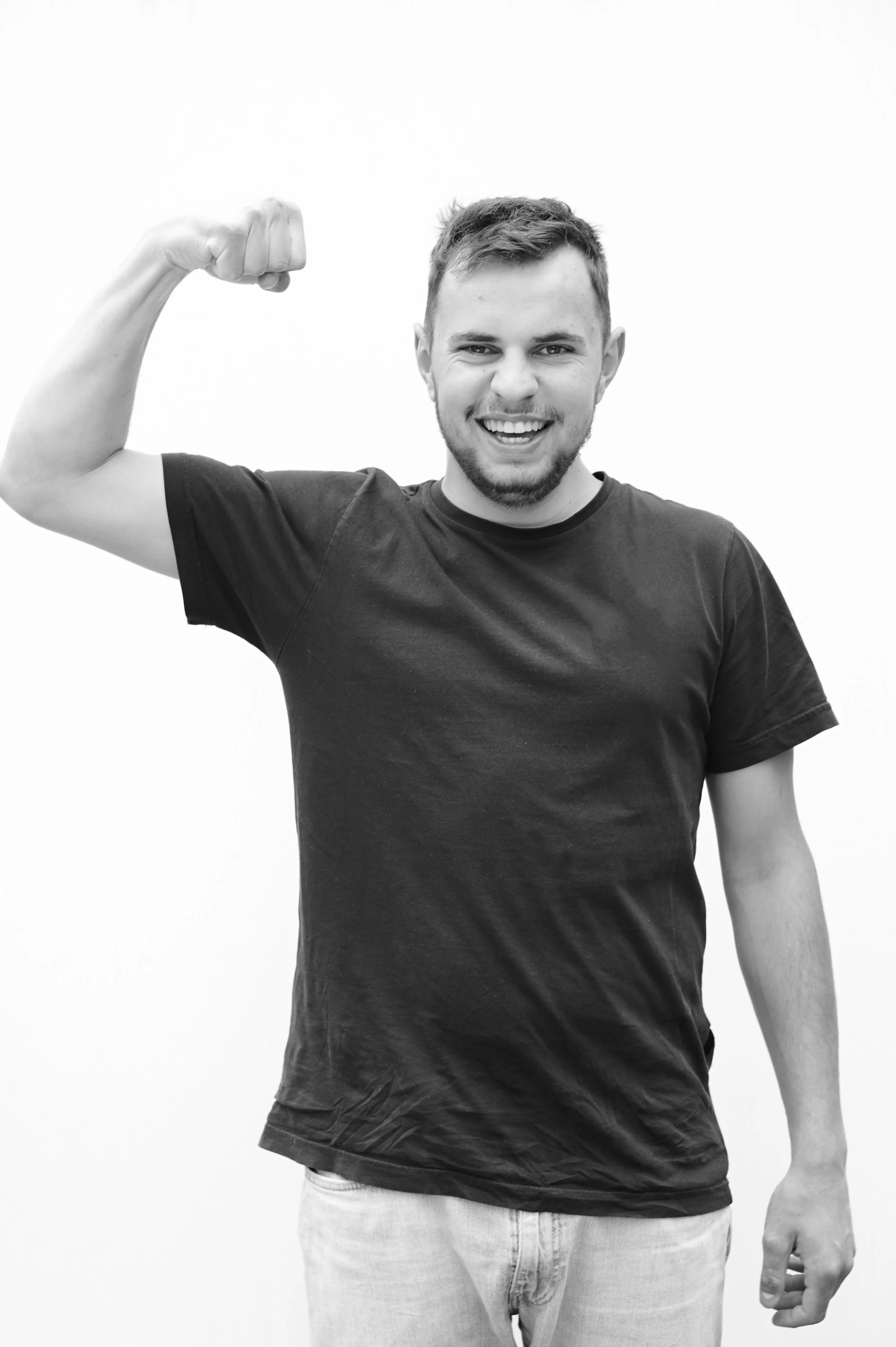
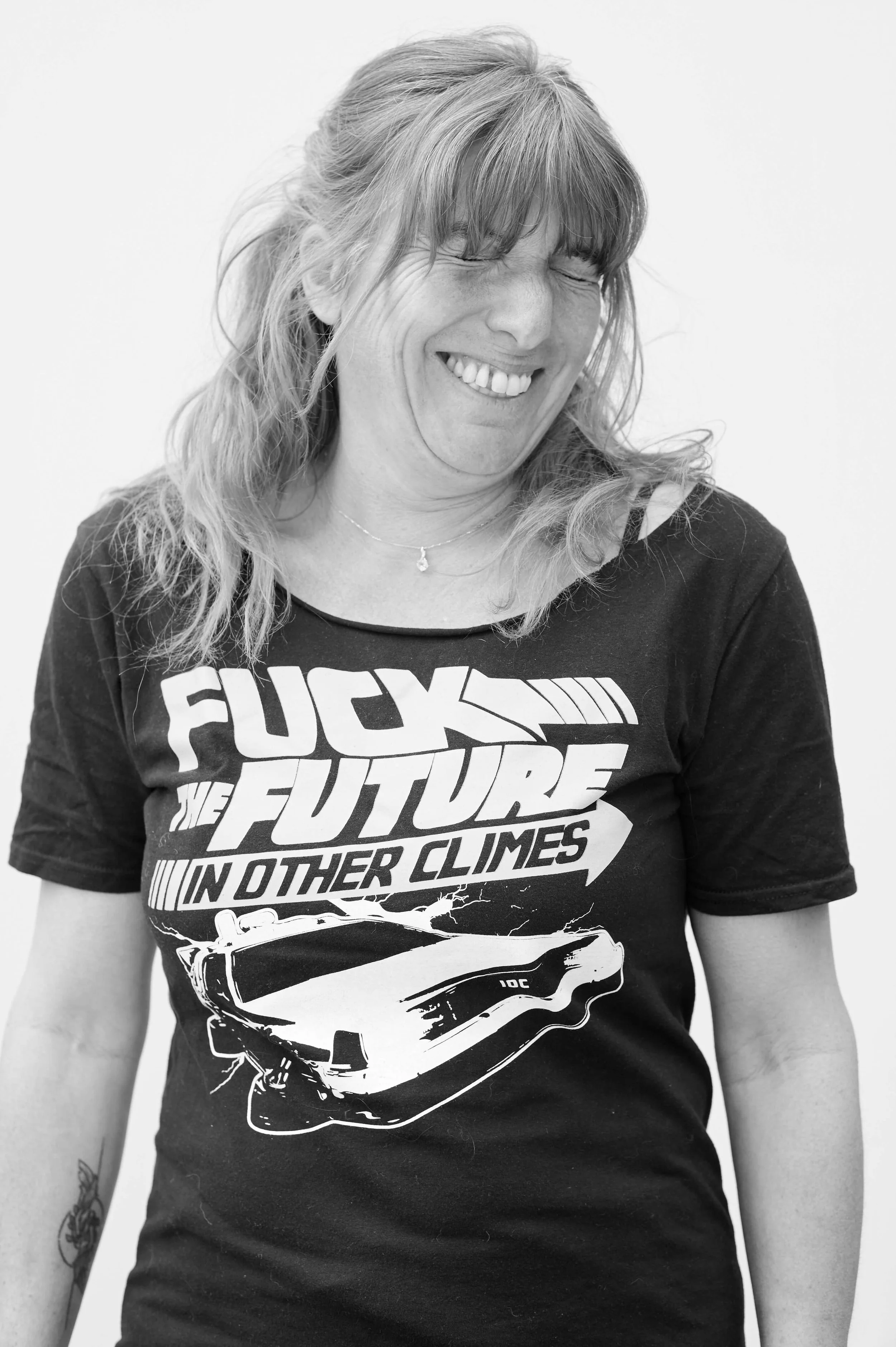
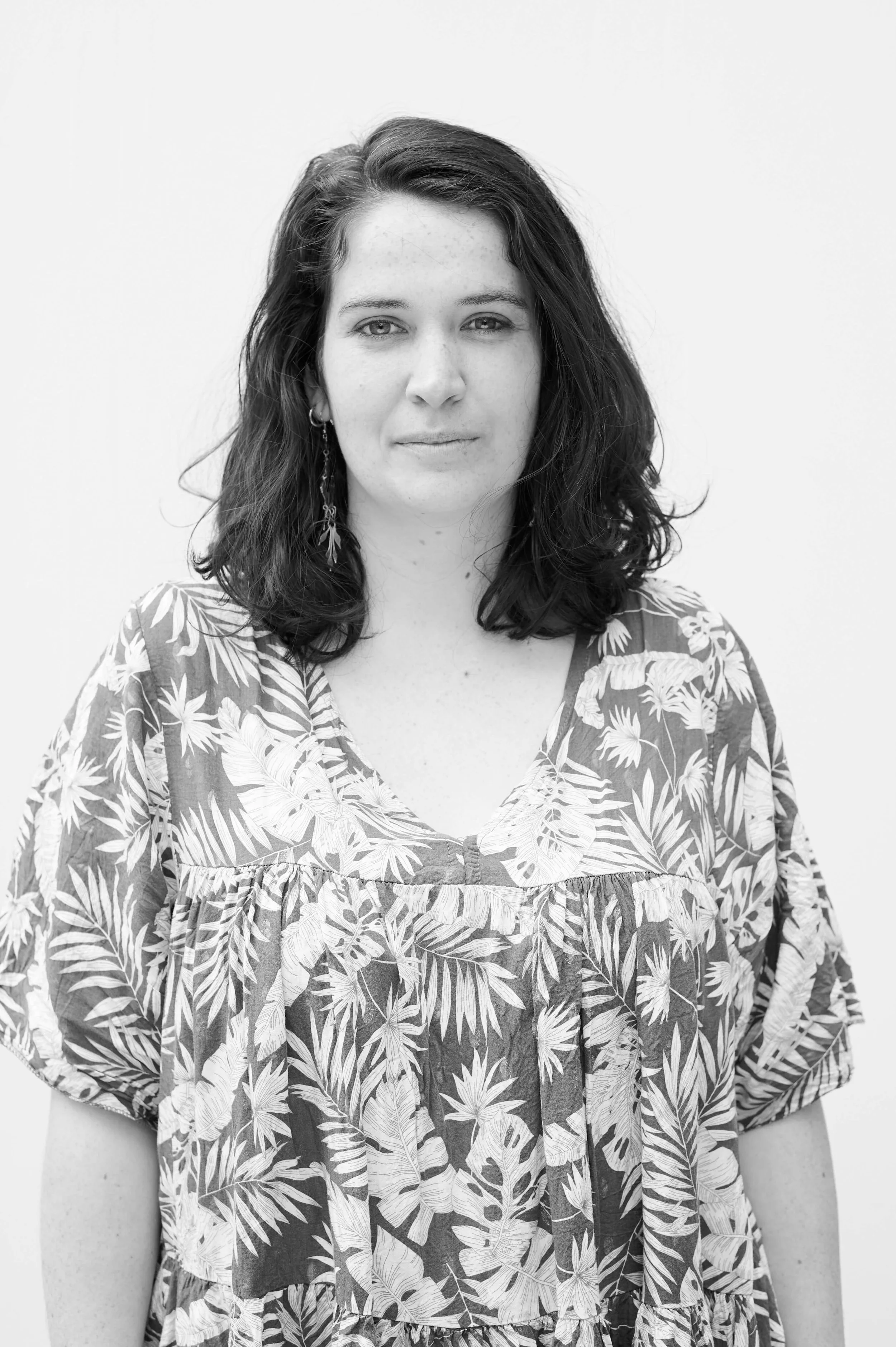
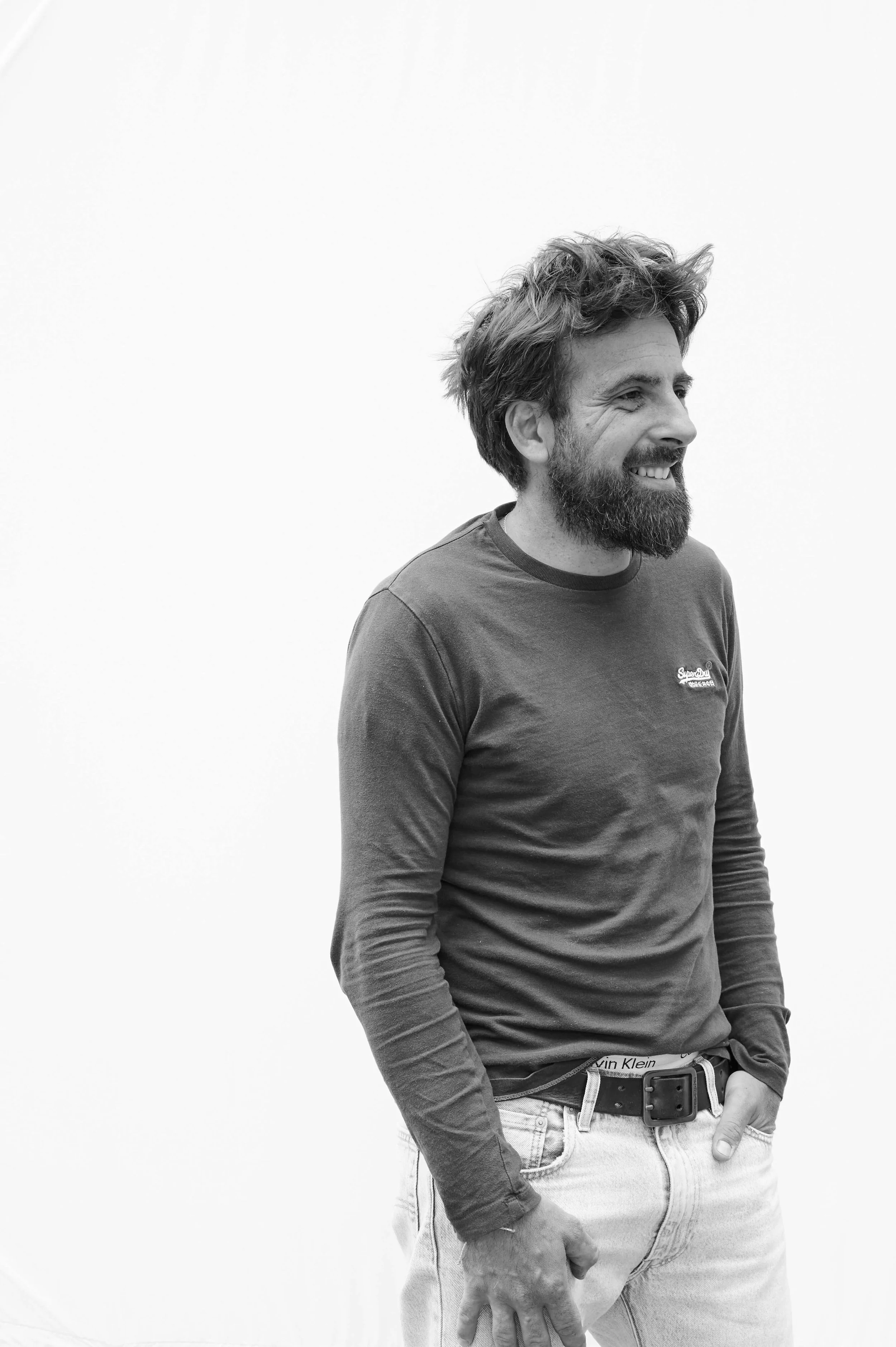
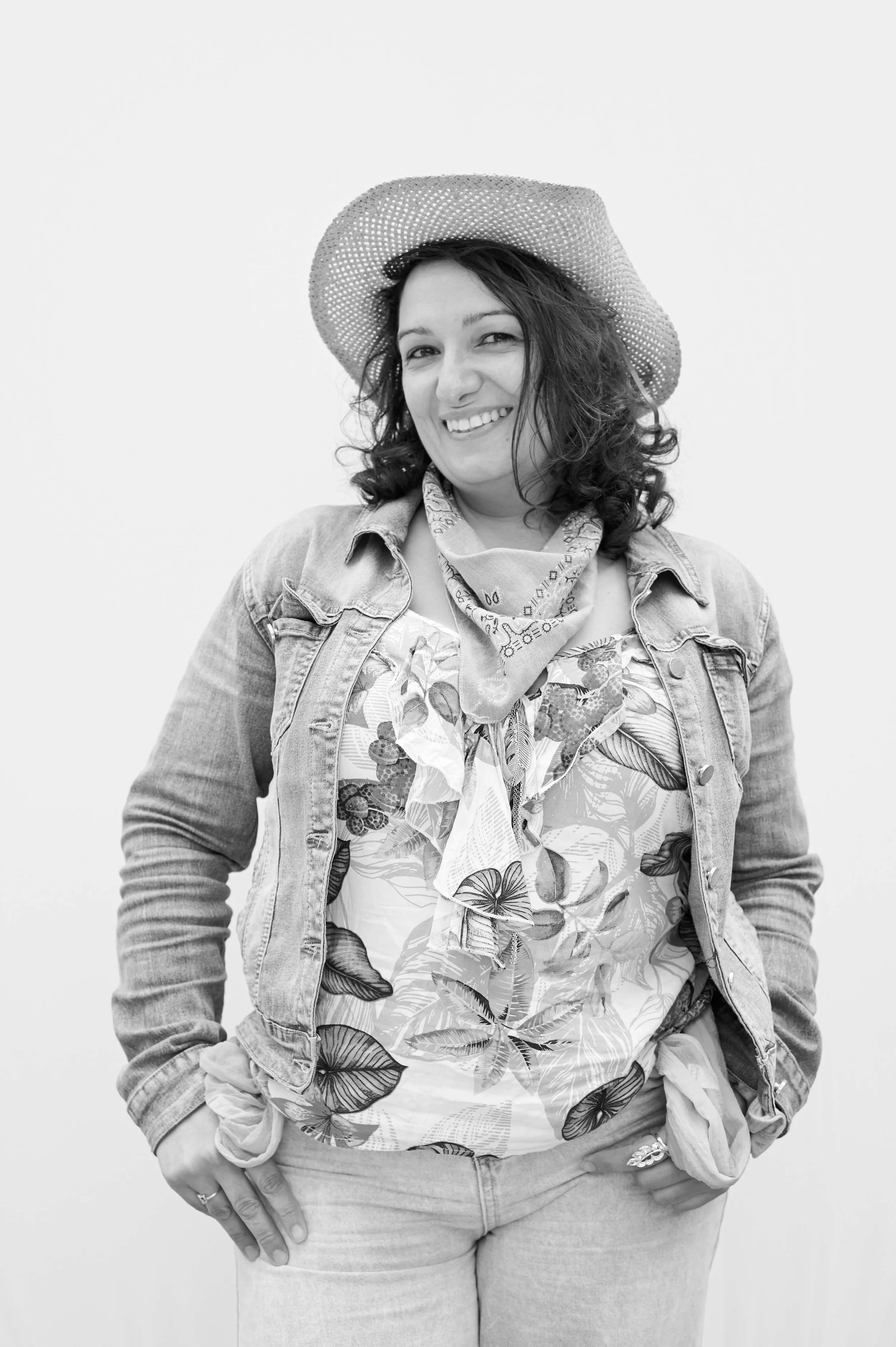
Here are their faces and their stories.
Andréa
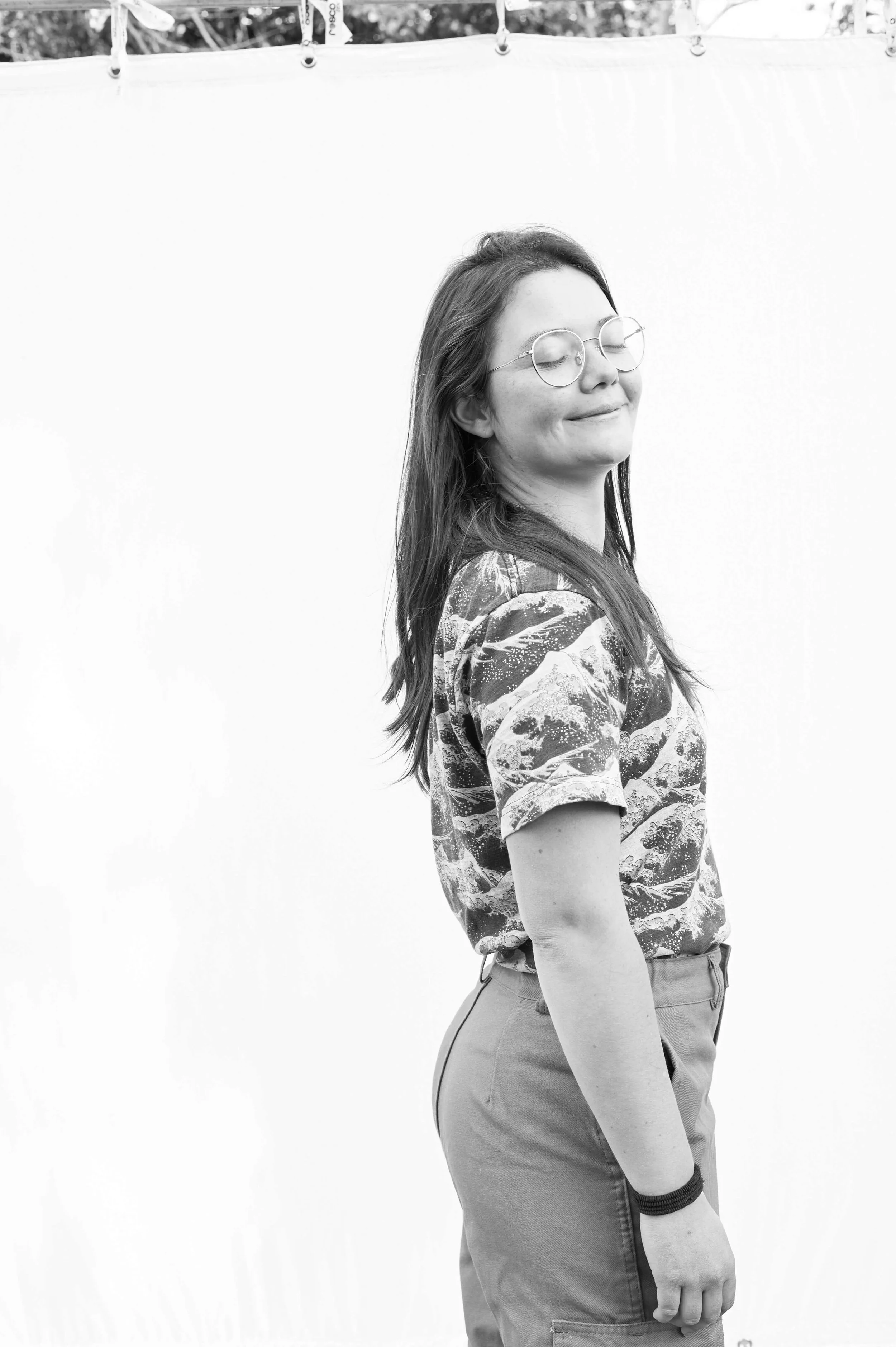
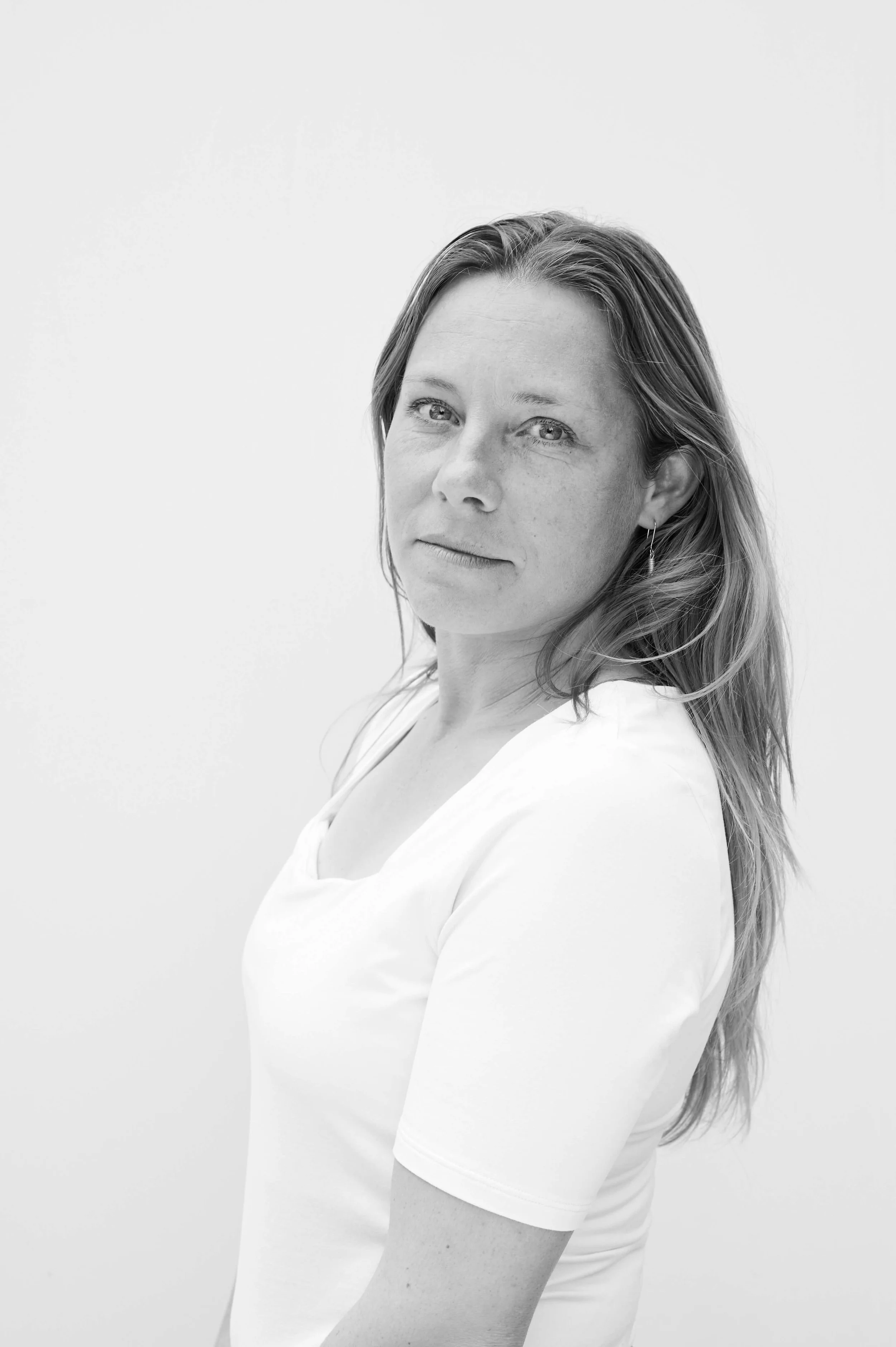
CARINE VILLARDELL
Economics trainer and coordinator of the BP REA (Professional Certificate in Agricultural Business Management) training program
“I have worked as a trainer on the Campus for six years. During this time, I have learned that it is important to give all students the opportunity to find their own path. Dreams are what drive us forward. So what's the point of telling them before they start that they won't succeed, that they won't earn a living and that it's too hard?
I studied agriculture and then worked as an agricultural employee in the south-west of France. I worked mainly in livestock farming because my father, grandparents and uncle were all cattle and pig farmers. I really grew up in that environment. When I was 10, my parents bought an abandoned farm. I witnessed first-hand what it's like to start from scratch and work yourself to death. It destroyed them. They divorced ten years later. We were helping our parents after school and during the holidays. So I know what it's like to mix concrete, build livestock enclosures, put up fence posts and watch over the cows. Being a farmer's daughter is not exactly cool today. I grew up feeling ashamed to say what my parents did for a living”.
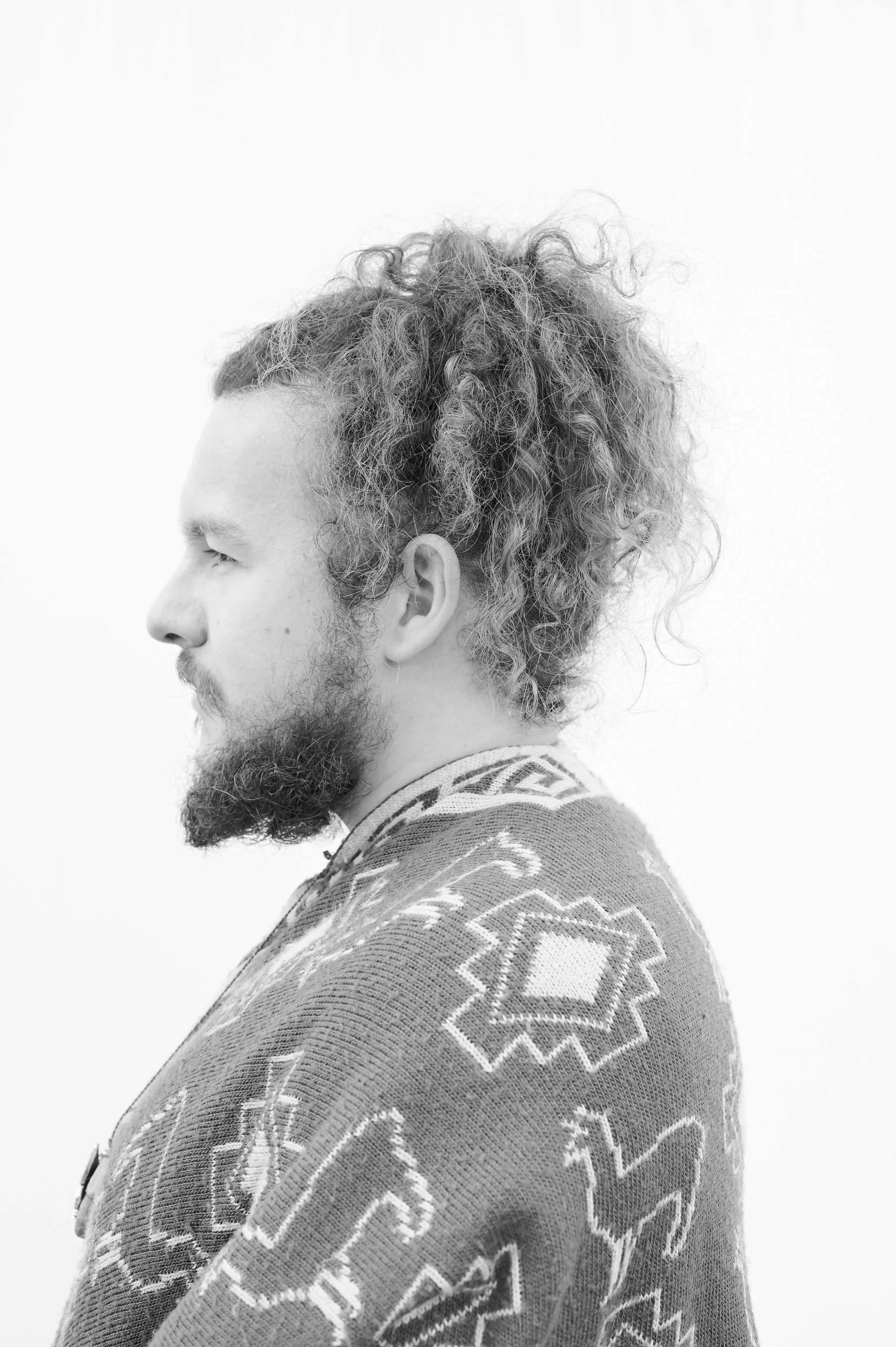
MATHURIN MOAL
“I am 27 years old. Before starting this training course at Campus Vert d'Azur, I worked for four years as a computer scientist. Sitting in front of a computer all day was driving me crazy. I wondered how I had ended up there.
I started my professional career when I was 15, working in metalworking, followed by years of temporary jobs. Mostly crappy ones. I even worked in a waste sorting centre. The waste flies past you at high speed. I got terrible headaches. The job involved grabbing the waste very quickly, which is really hard. One of my colleagues had his arm torn off because the machines were going too fast. It didn't last long, but it made me really aware of the situation. It's mind-boggling how much waste we produce”.
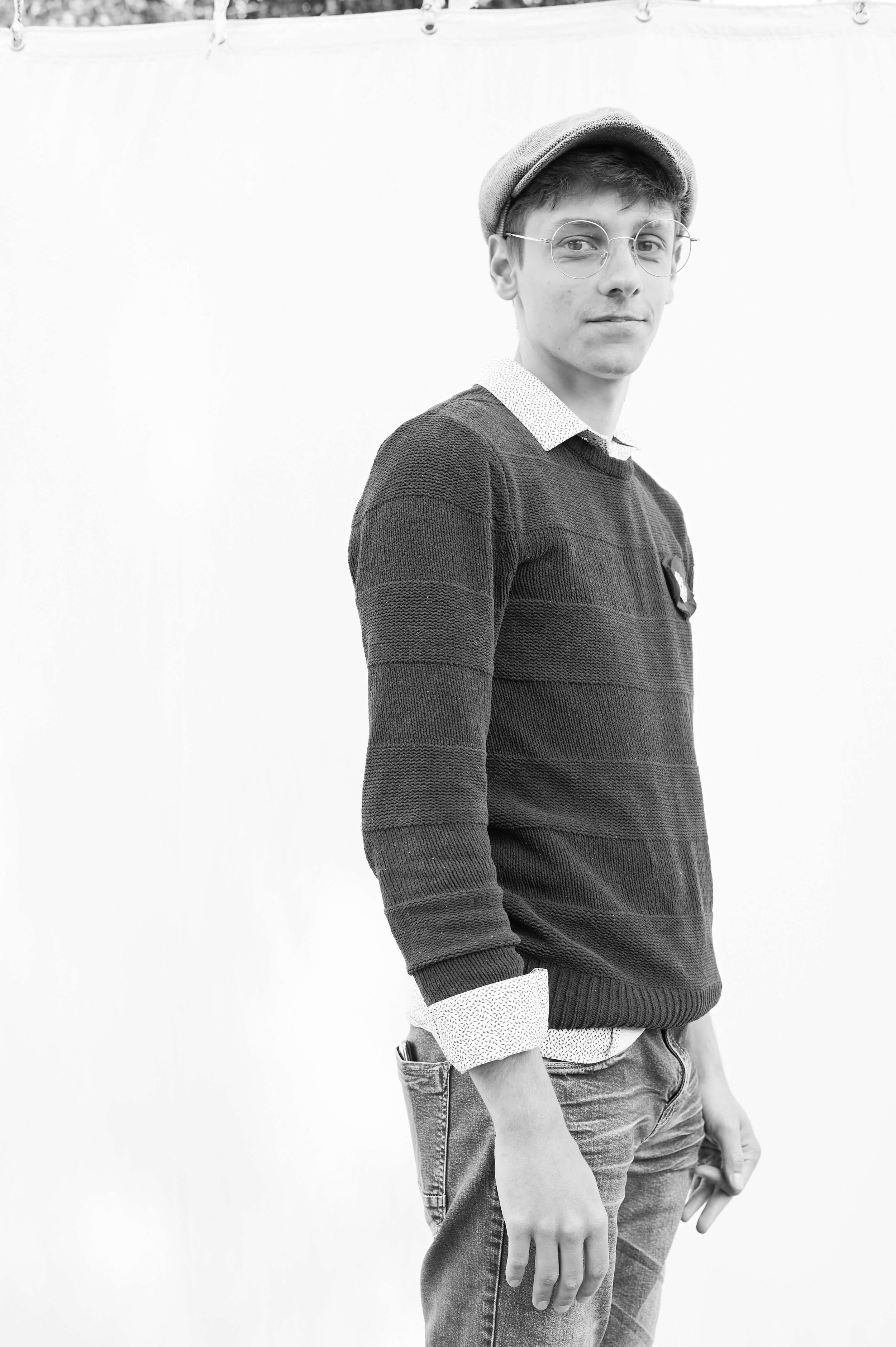
NATHAN GIL
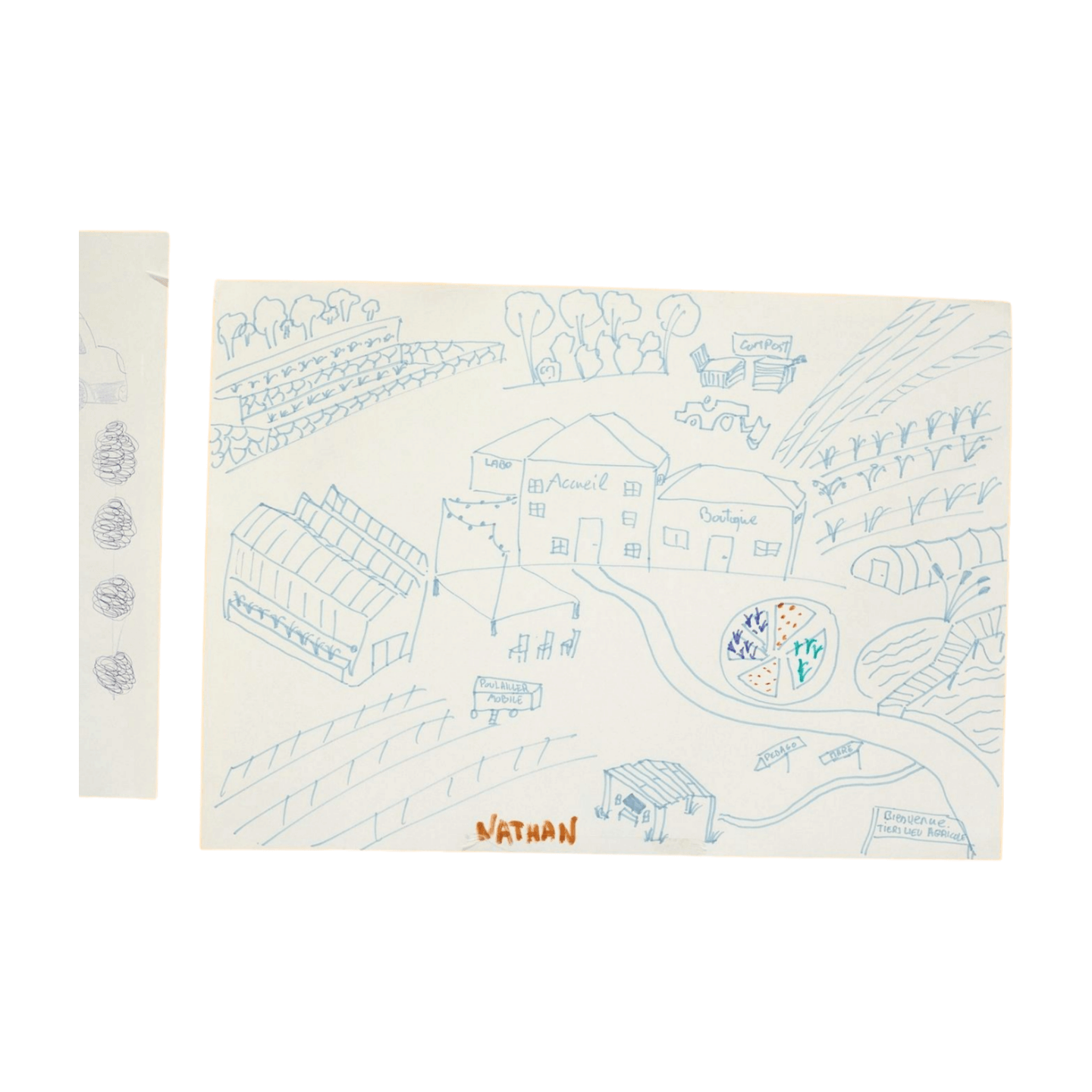
“Unlike Mathurin, I chose a career in agriculture very quickly. I wanted to work in preserving biodiversity and conserving natural environments. It was through activism that I became aware of the issues surrounding food. I realised that this was my path. To me, working on food necessarily involves preserving ecosystems as well as considering the social aspect. Food encompasses all of these things. Our association, ‘Nous voulons des coquelicots’, We want poppies, is based in Mouans-Sartoux, and we are becoming increasingly involved with the local council.
I want to bring a multifaceted project to life. It's not just about having land for production; it's about creating an open and dynamic educational space. This would provide an opportunity for reflection and perhaps help us find a collective answer to the question that has always haunted me: how can we limit our impact on the natural beauty that surrounds us as human beings? ”.
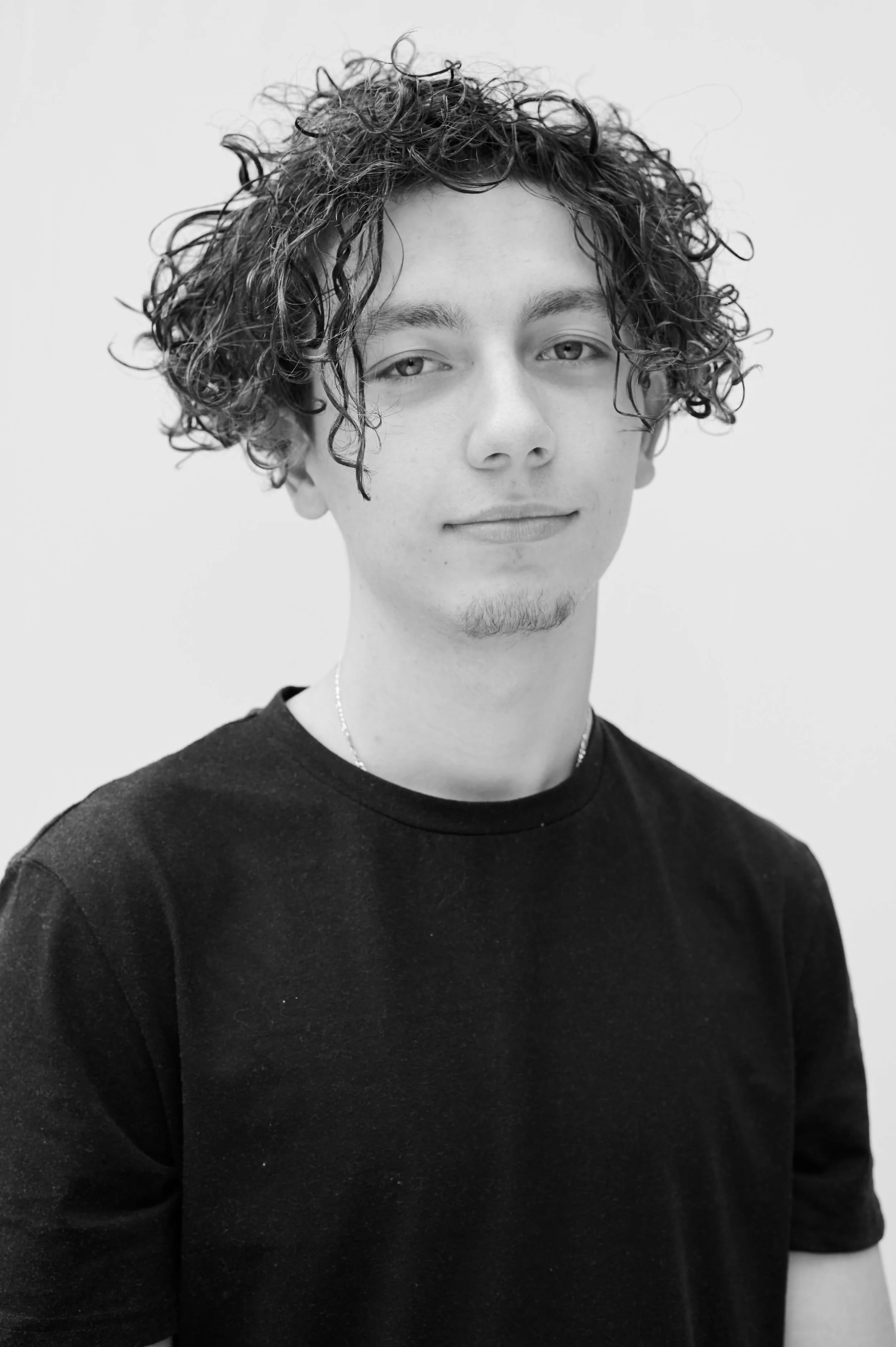
Nolan, Romance et Mathurin
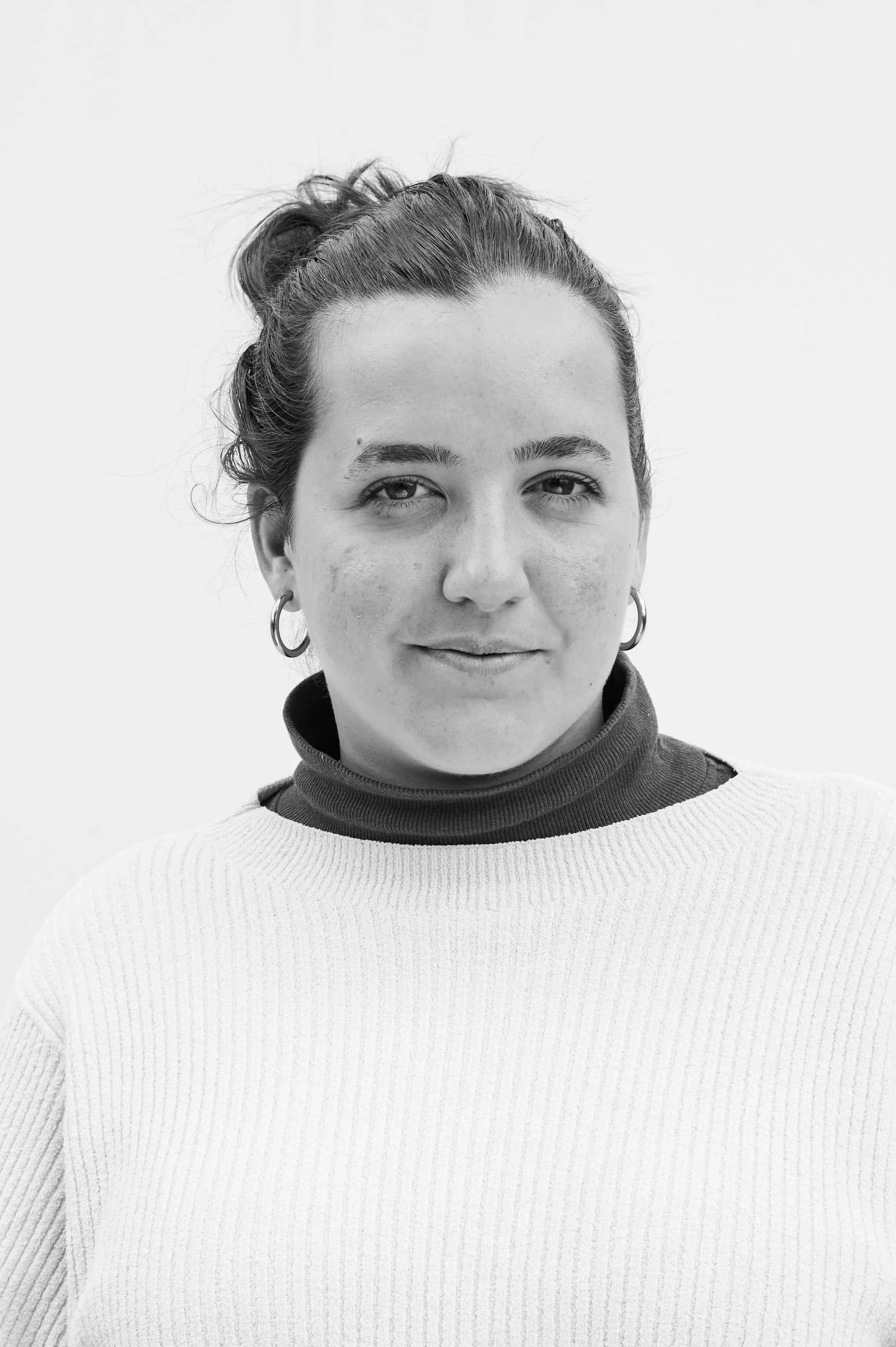
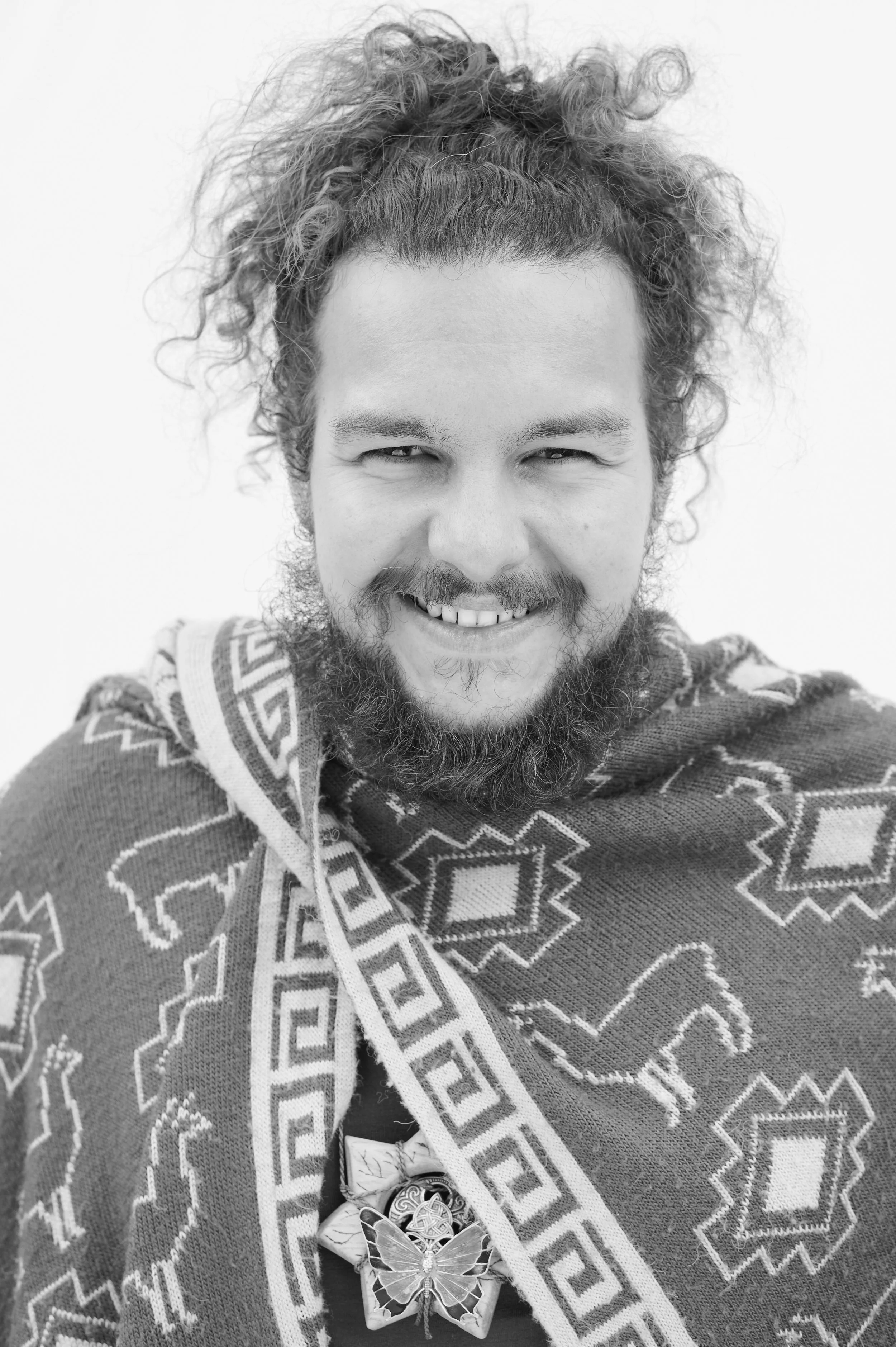
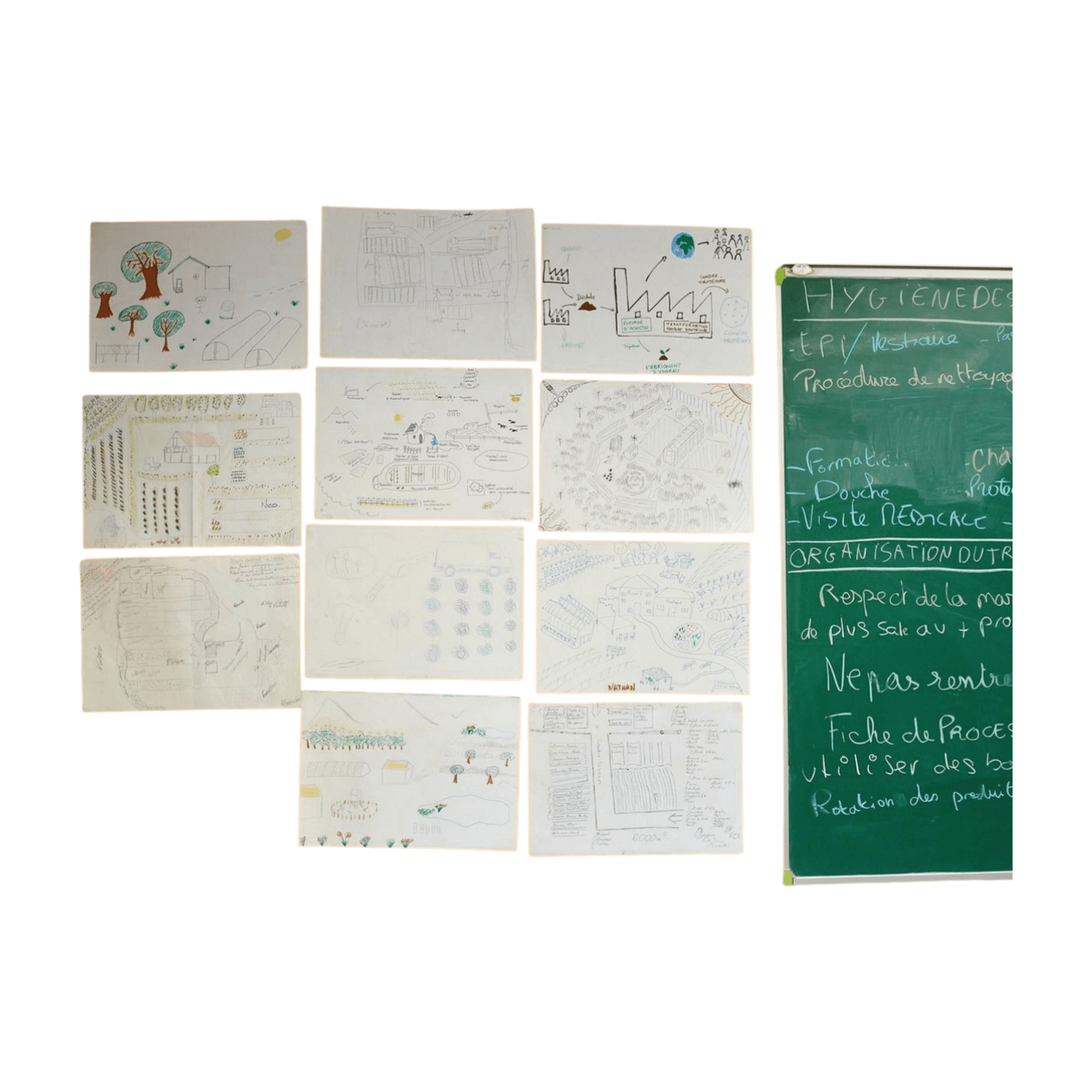
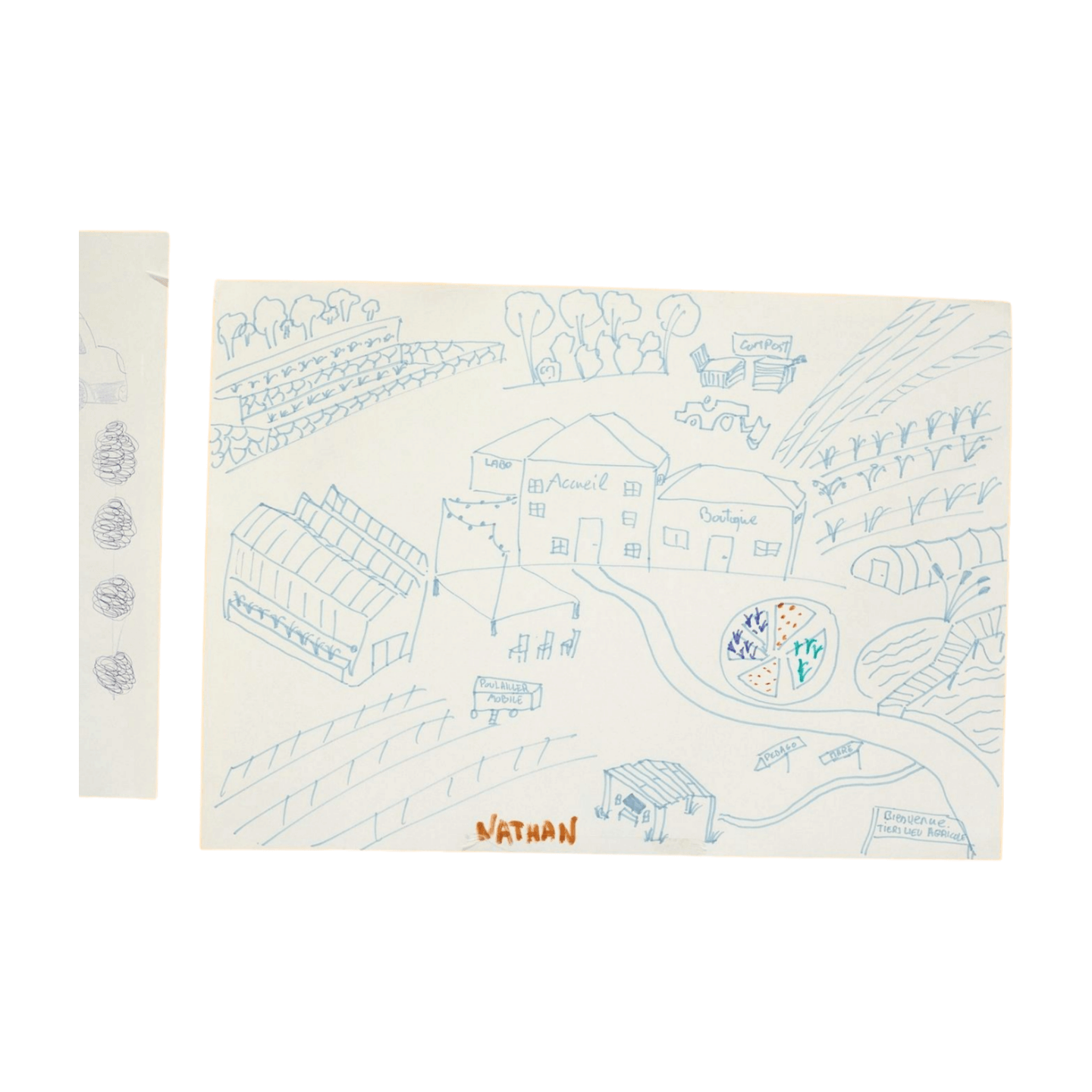
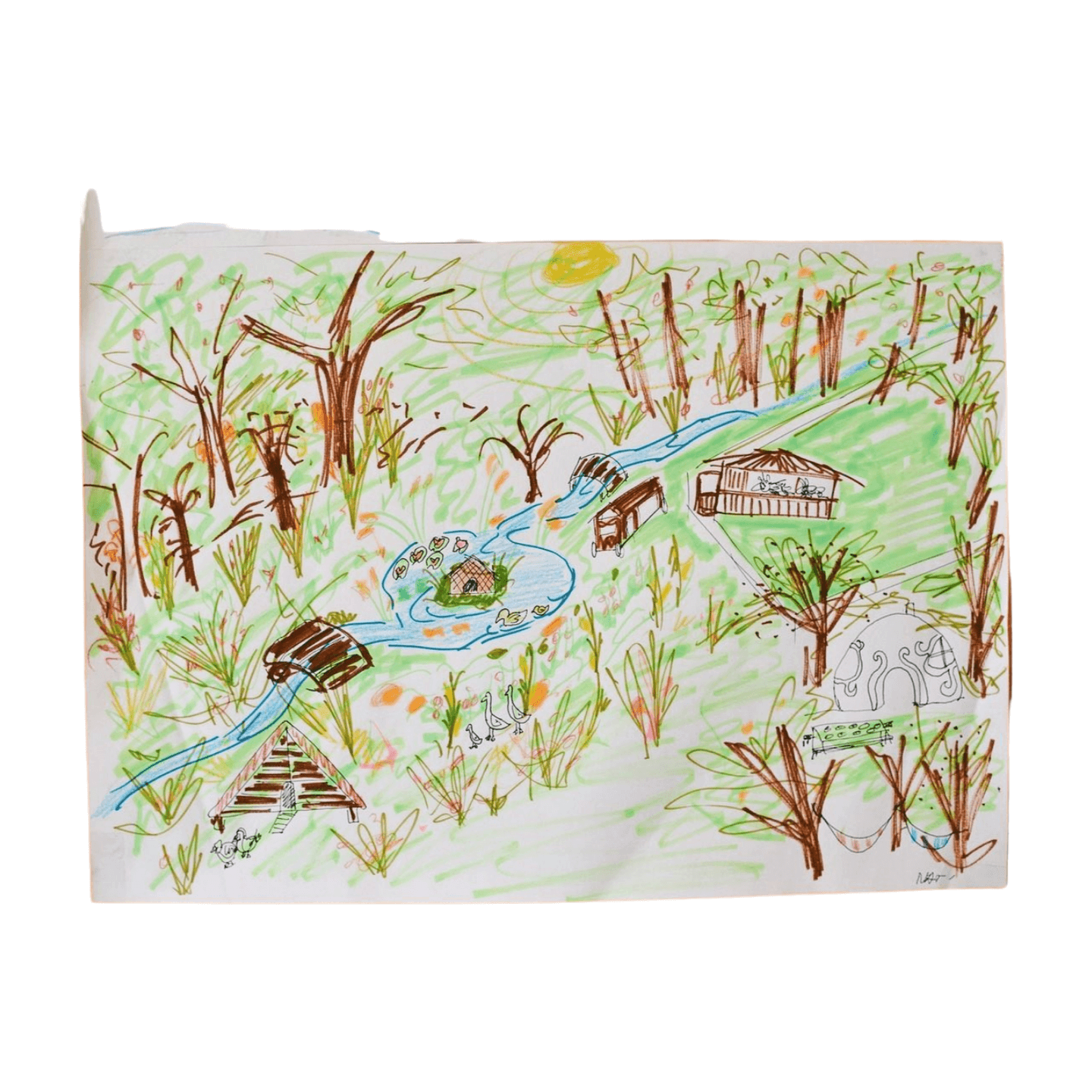
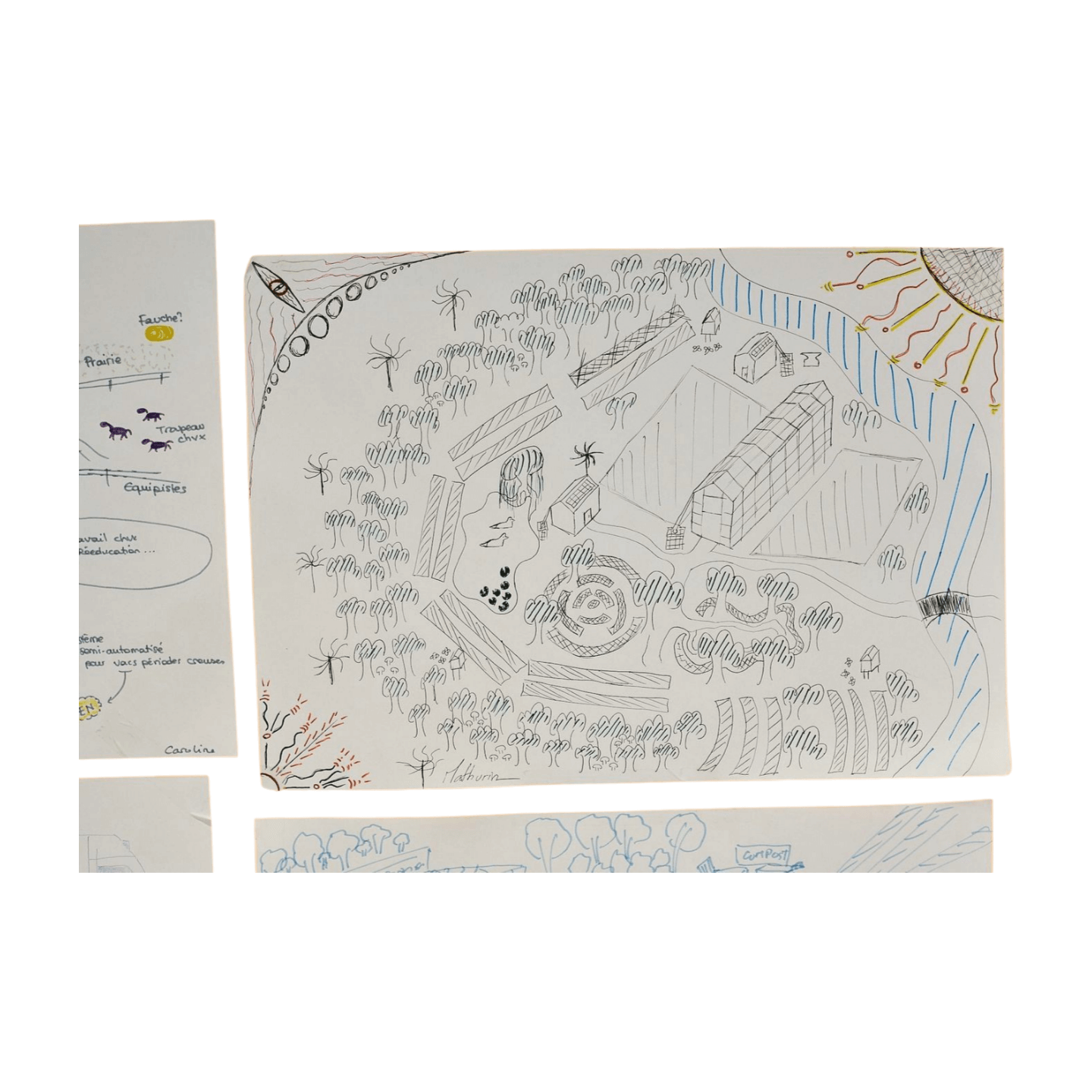
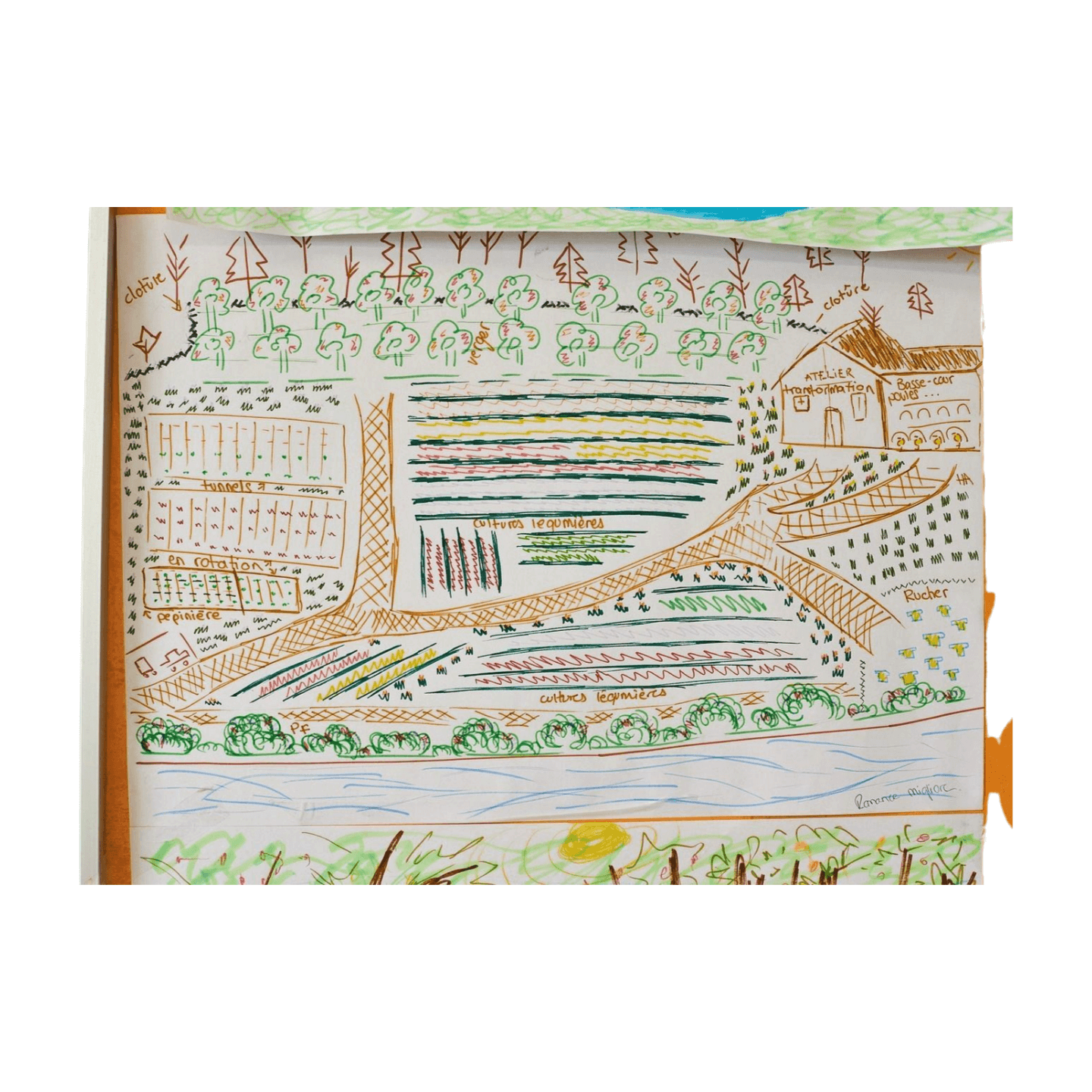
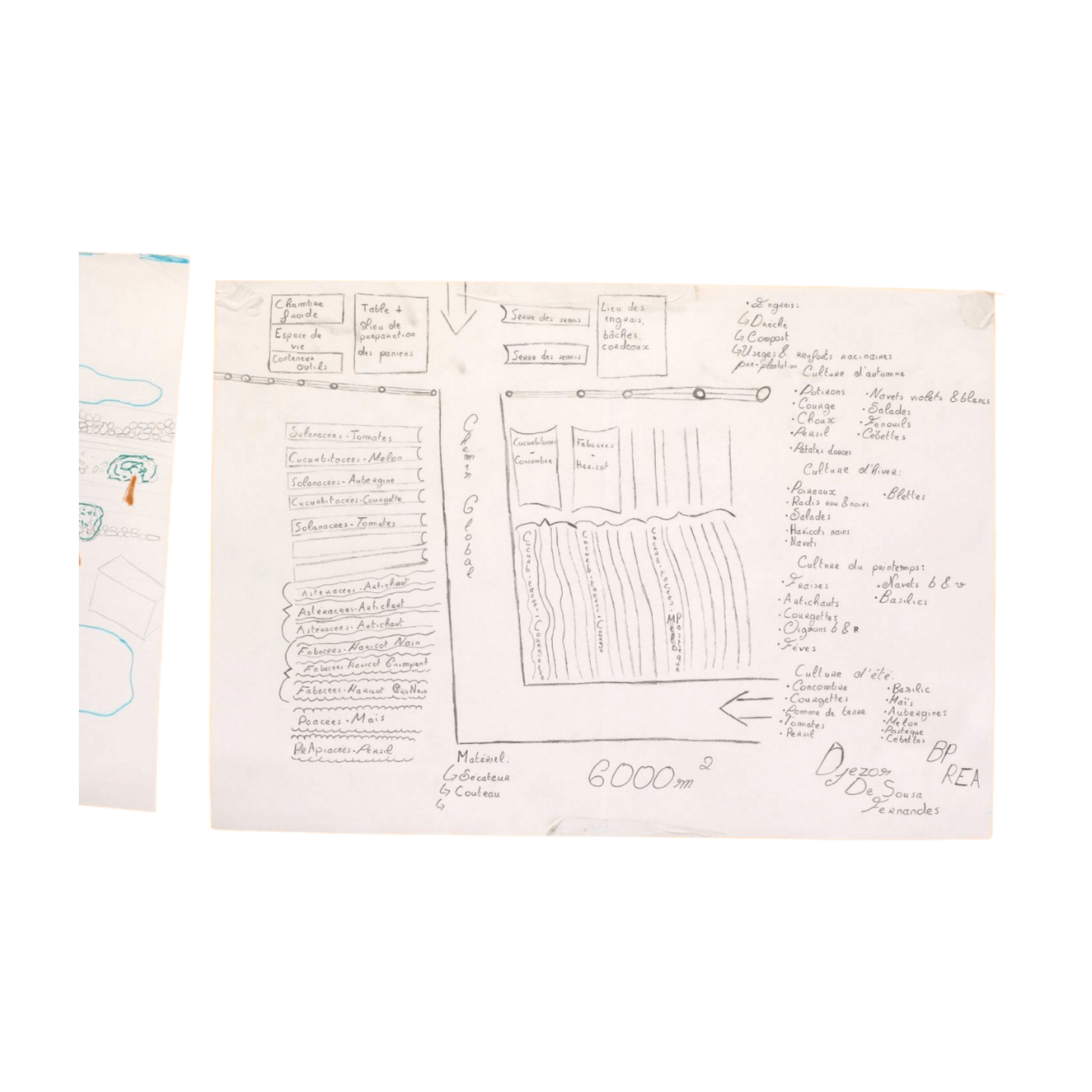
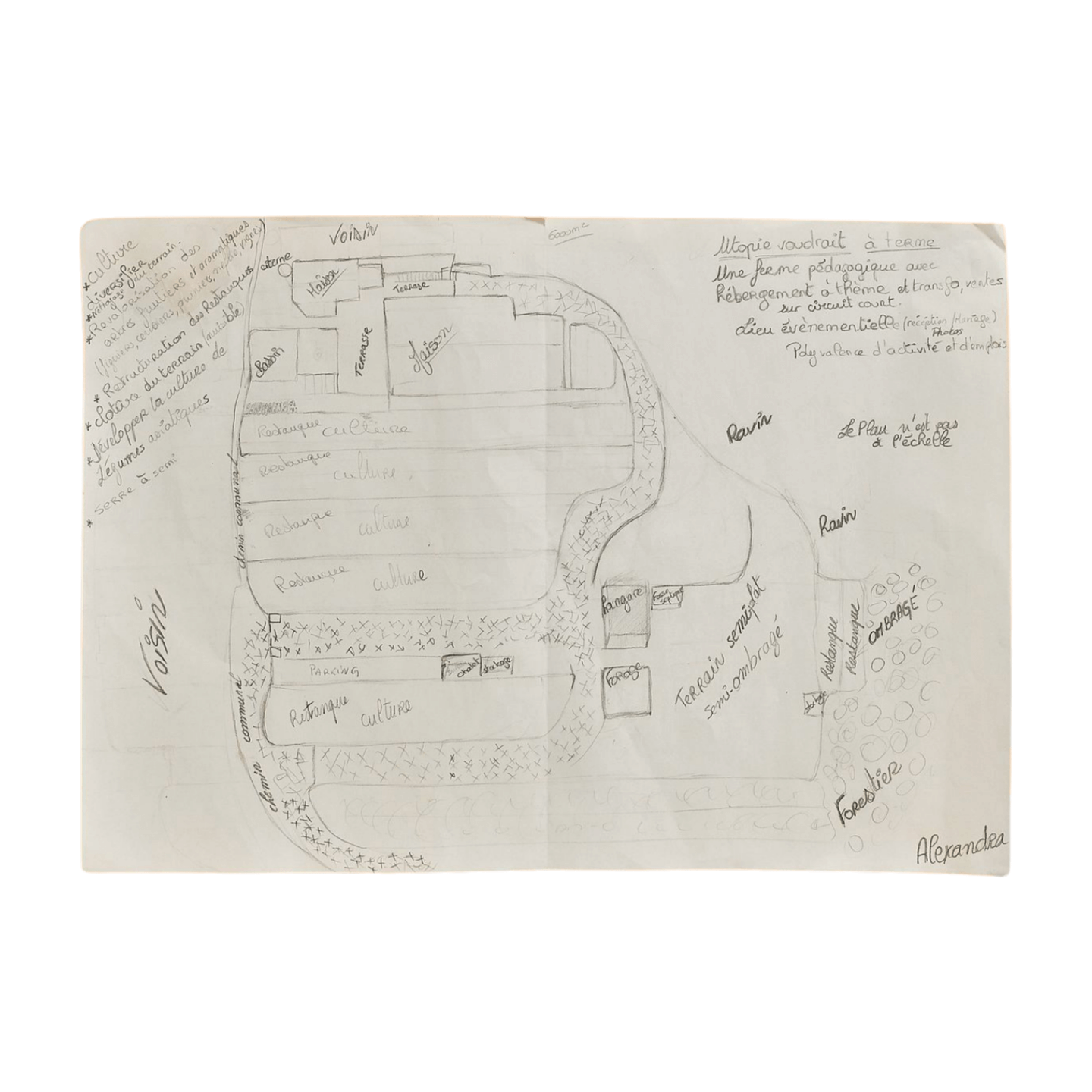
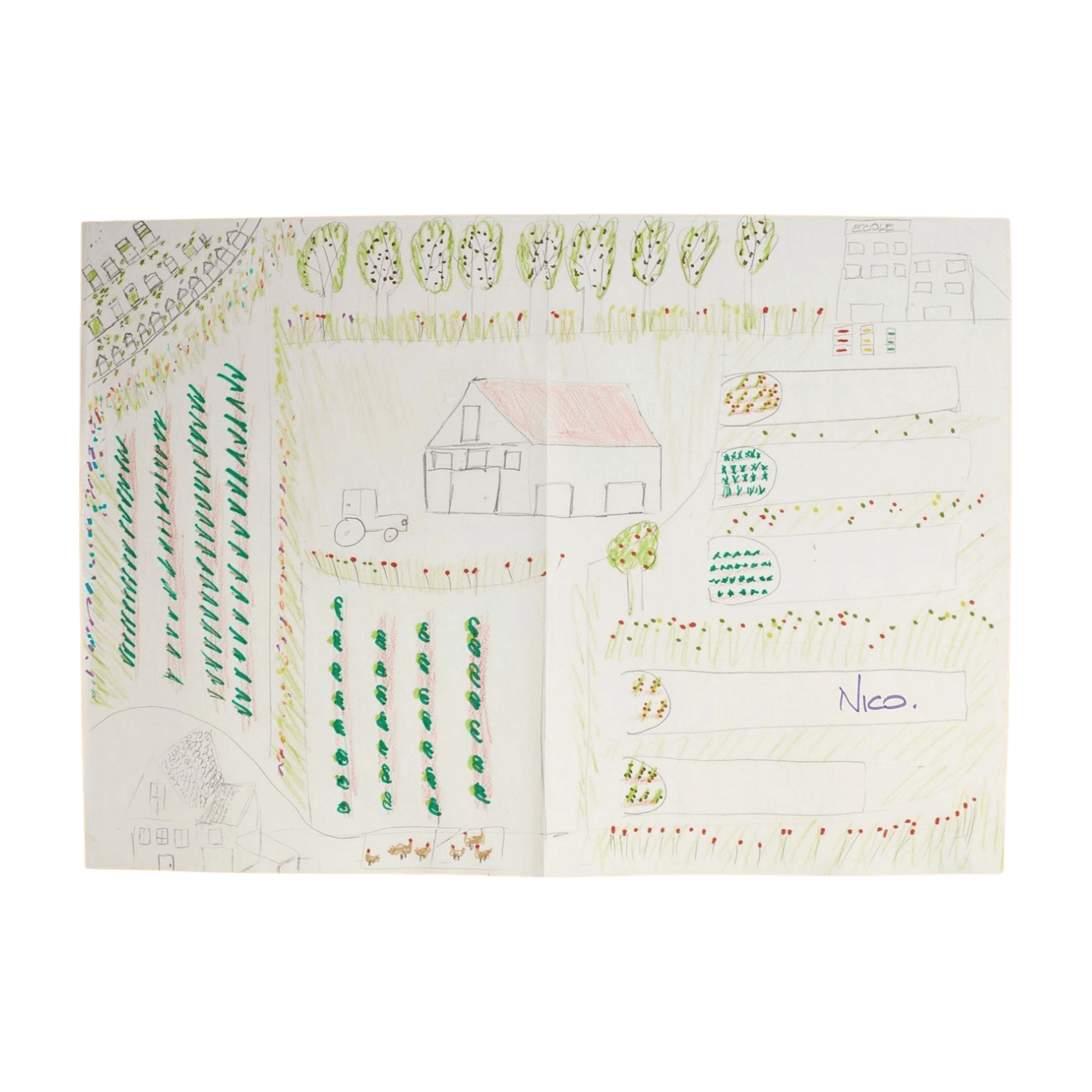
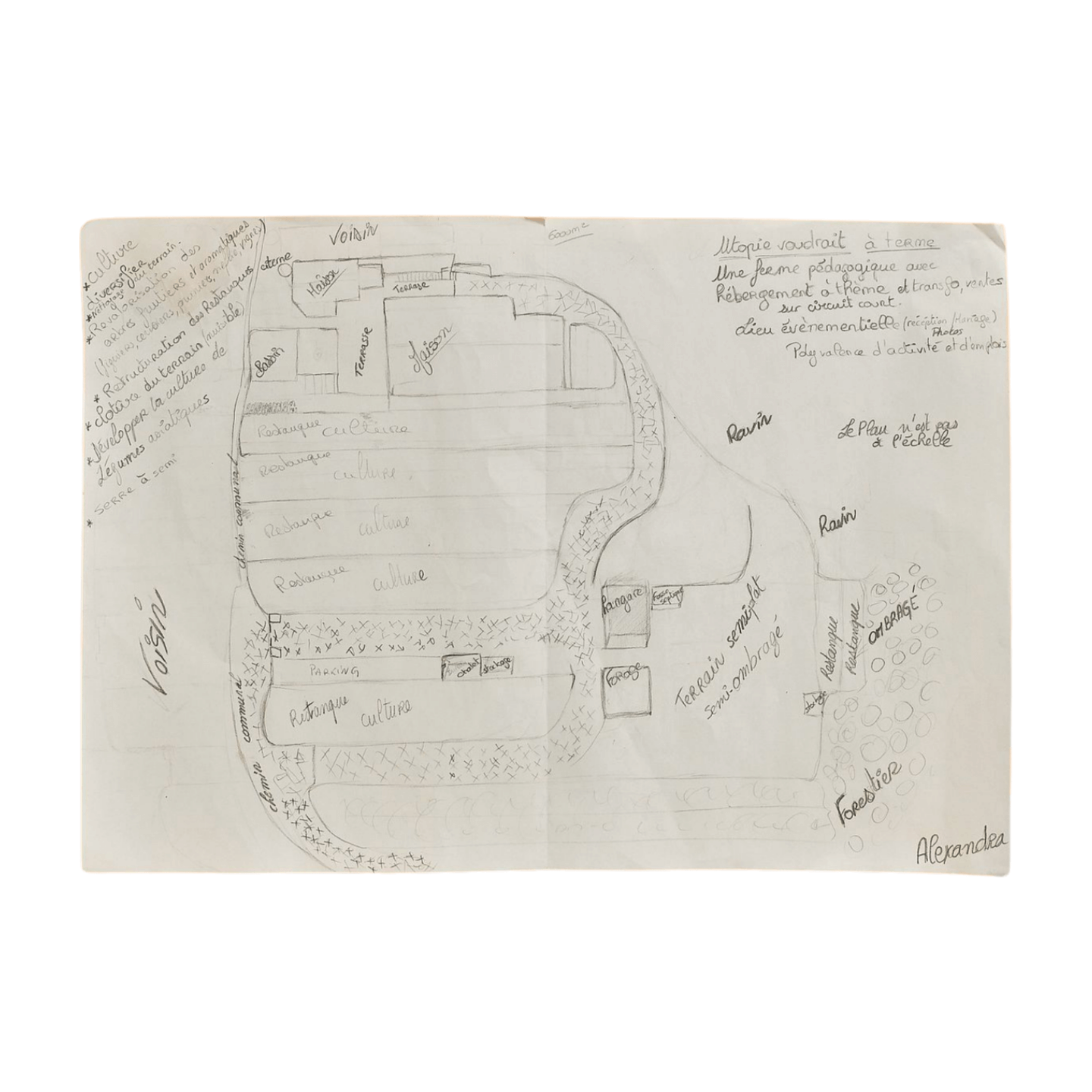
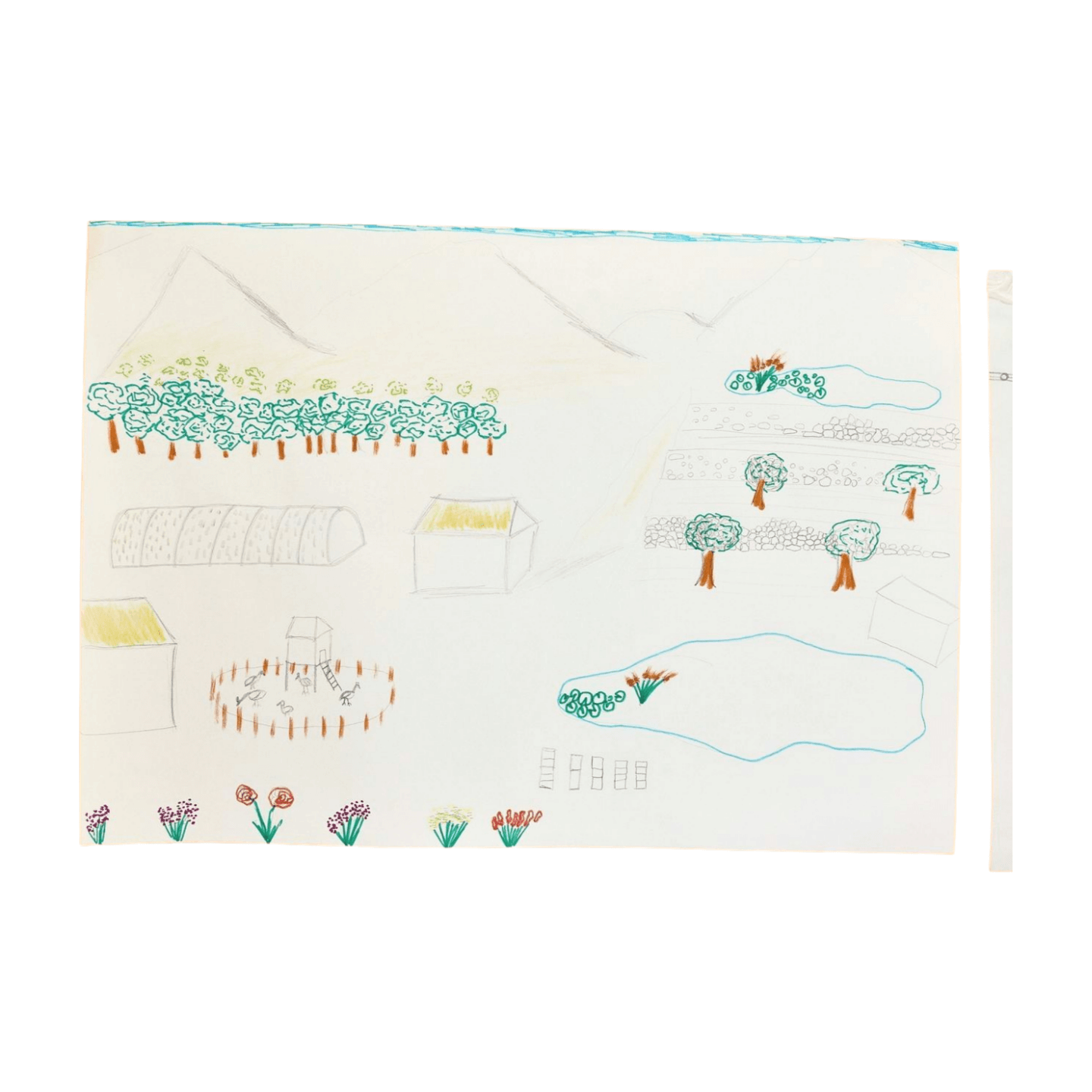
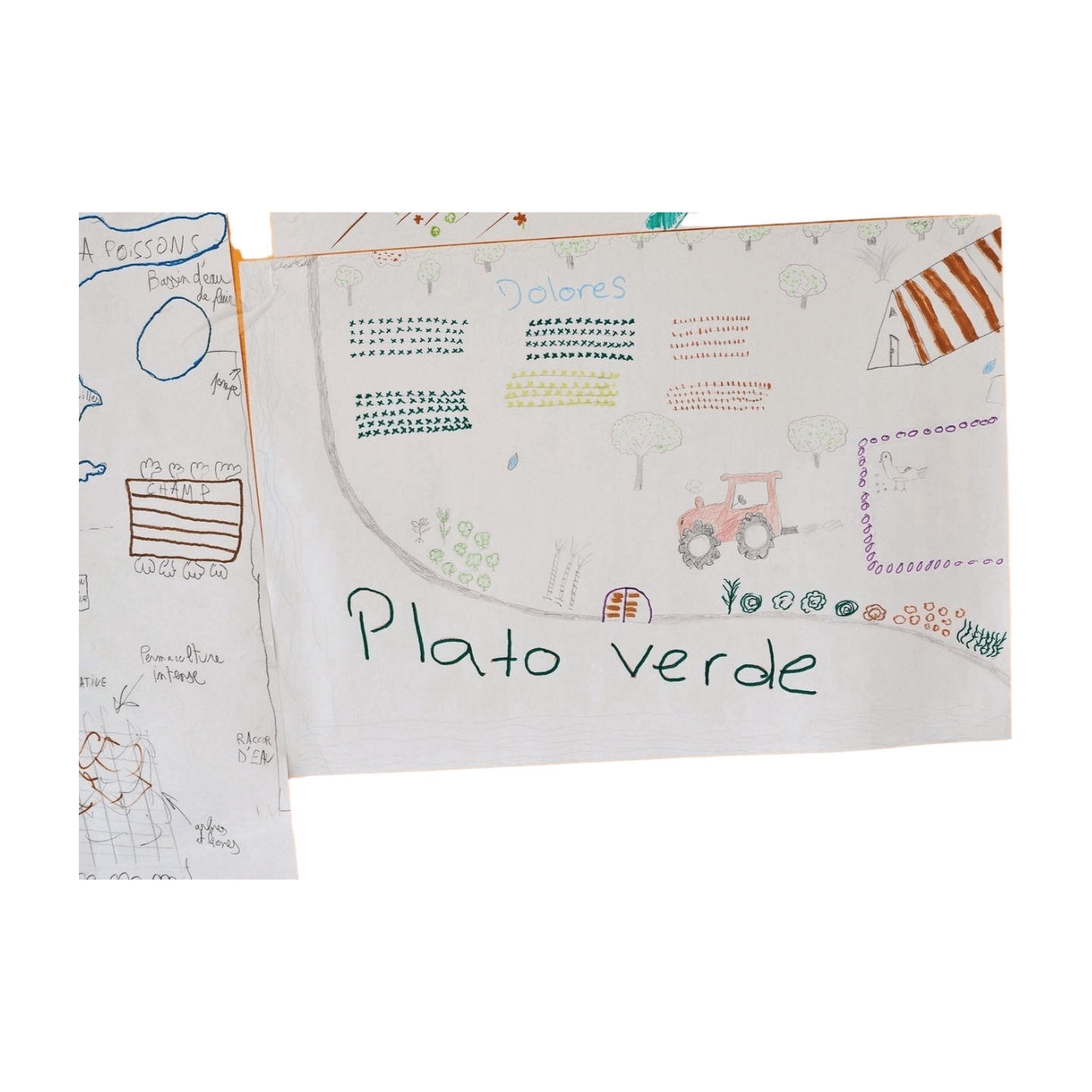
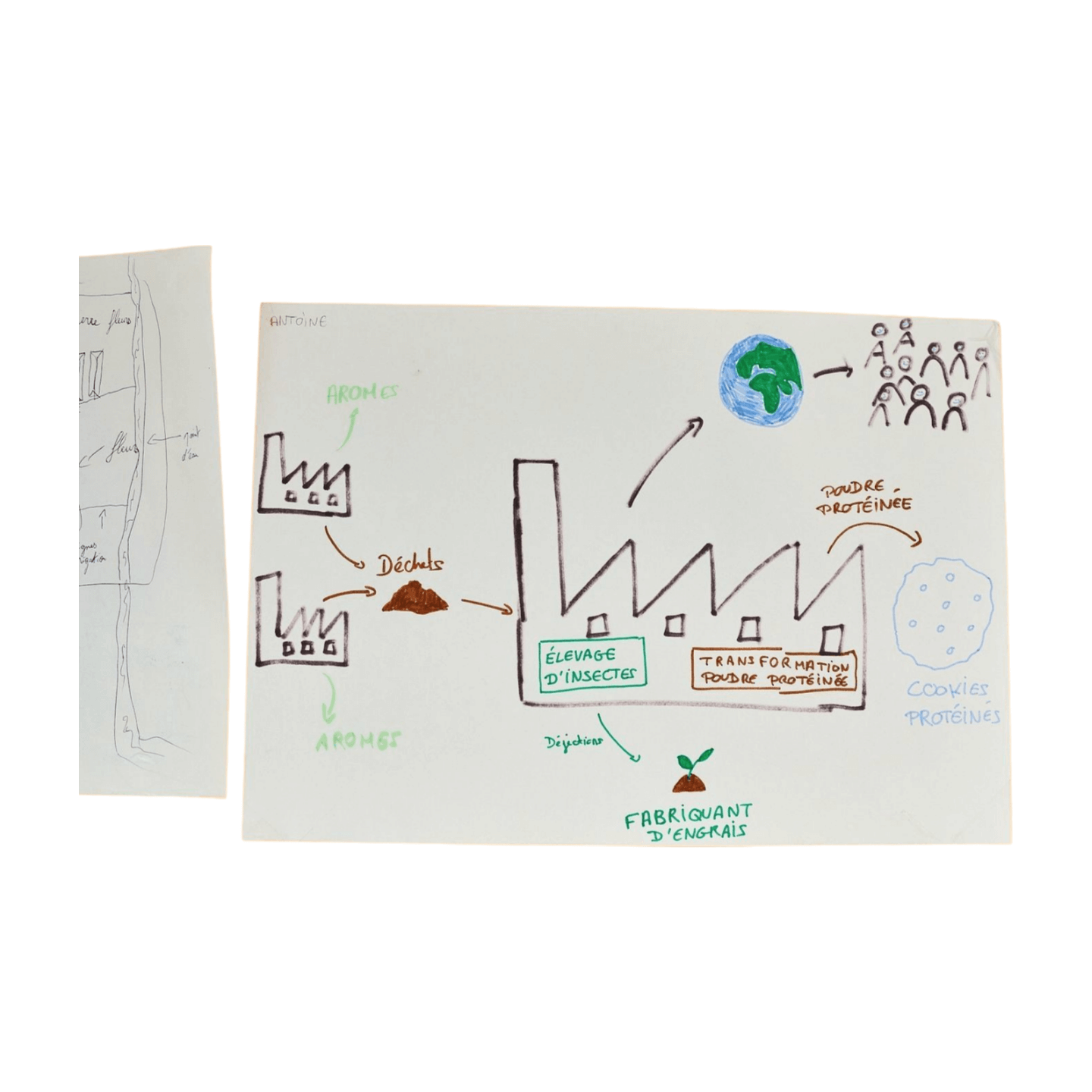
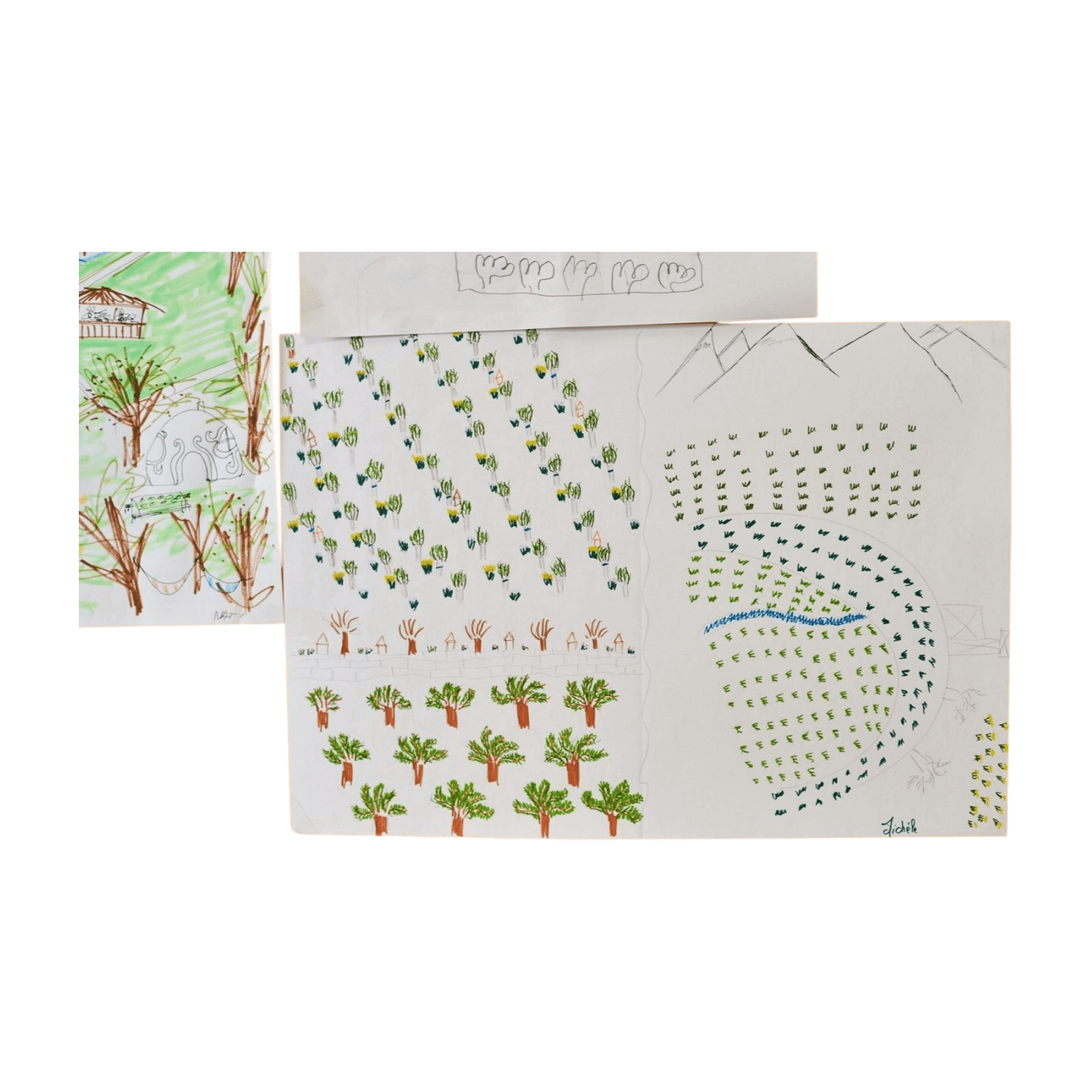
When the students imagine their farms
NICOLAS PERROTTI
“I am 45 years old and grew up in Nice, but I would go back to Saint Martin en Vésubie, the village where I was born, every weekend to visit my grandparents. I worked in retail for 25 years, most recently as an area manager at Carrefour, where I started my career in 2001. In 2007, I ended up in Mouans-Sartoux by chance, the village of Mouans-Sartoux* was pioneering sustainable food in the Alpes-Maritimes department. This gradually led me to develop my plan for a career change and a new life.
In 2009, my eldest daughter was born, and the following year, the town purchased land on which to build the Maison d'Éducation à l'Alimentation Durable, MEAD, the Centre for Education in Sustainable Food. Having searched for local producers to supply organic vegetables to school canteens, the town decided to produce them itself. Today, 85% of the vegetables consumed in school canteens are sourced from the local authority. My other two daughters were born in 2014. They all eat organic, locally sourced produce at school and visit the municipal farm”.
ALEXANDRA RIVERA
“I worked in fast food for years, mainly at McDonald’s as a manager. I was working too much, and eventually I got fed up and left. I couldn't take fast food anymore. I was there for years, seeing all the young students come and go while I gave more and more of my time and health by doing more and more cover shifts. There was a time when I was coming home at 4 a.m. and leaving again at 8 a.m. My children are now 20 and 15, and I decided now was the right time to make a change. As I had resigned, I wasn't entitled to unemployment benefits. However, as I have dependent children, I was eligible for other benefits. This gave me the opportunity to look elsewhere and really understand what I wanted to do. I was looking for training courses, and when I saw the one on 'Discovering Agriculture', I knew it was right for me”.
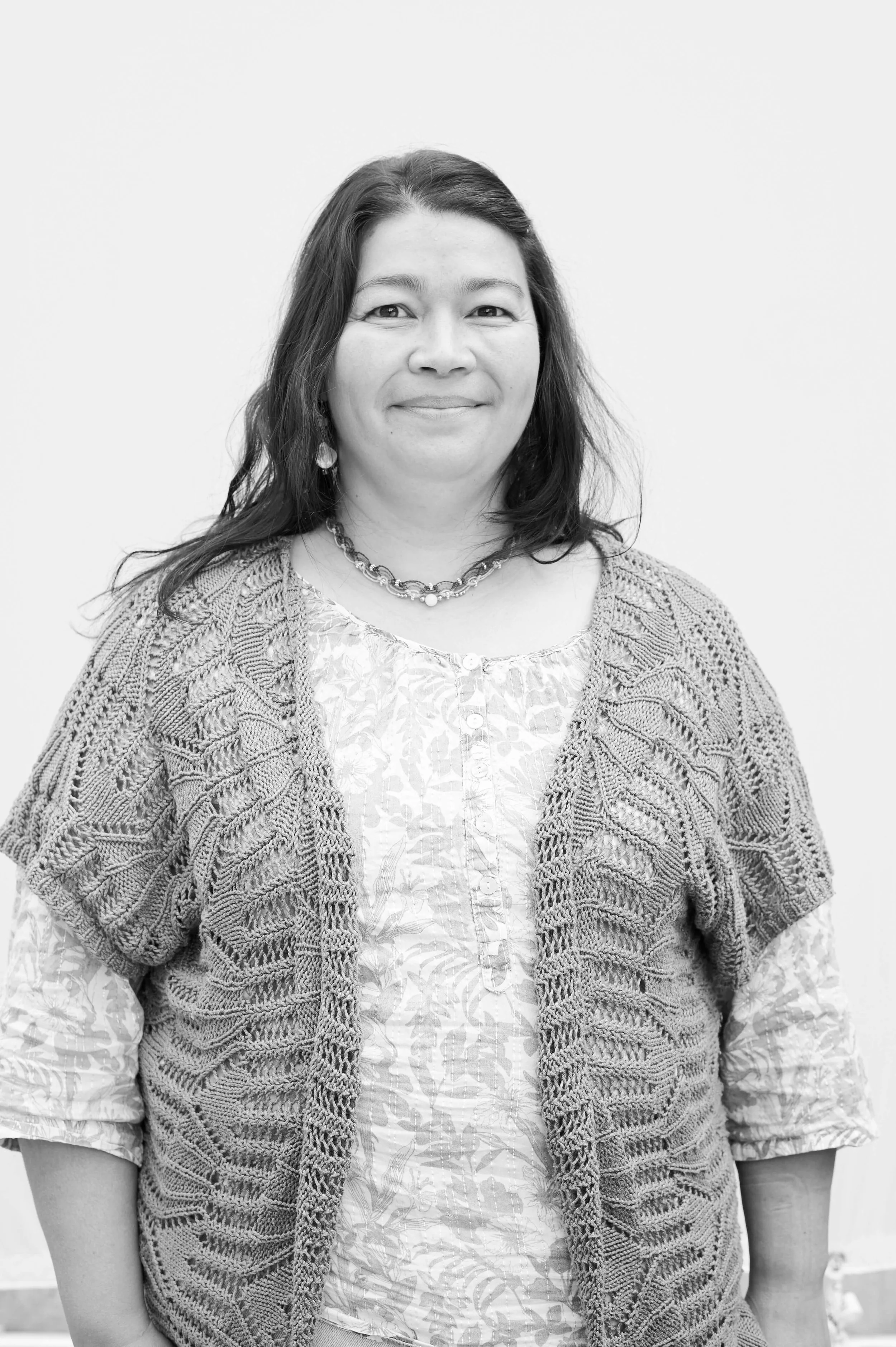
MICHÈLE BAECKE
“My land in Fuveau, a French commune located in the Bouches-du-Rhône department, 15 km from Aix-en-Provence, is where it all began.
My father had been looking for a place to store his equipment for a while, as he worked in construction. One day, after searching for a long time, he found an open gate. He went inside and discovered a malnourished woman and man in a shed. He called the emergency services, who told him that they were siblings. The neighbours who were supposed to be looking after them were letting them die. It's a crazy story. My father was in shock. The man had advanced gangrene and did not survive, while 'Granny Moustier' lived for another four years.
The neighbours had already prepared the paperwork to inherit the five-hectare plot of land. Ultimately, all of this was cancelled. The two landowners had debts, so my father sold the land to pay them off and then bought part of it back”.
As part of the 2021-2028 Agricultural and Rural Plan, the Alpes-Maritimes department is rolling out a major project: the Departmental Farm, which is part of the Green Deal policy. Its goal is to revive local, organic, and resilient agriculture on fallow land in order to strengthen the region's food sovereignty.
But while more than half of the farmers in Provence-Alpes-Côte d’Azur region are approaching retirement age and heatwaves and droughts are taking their toll, the region refused to award a €100,000 annual grant to the network run by the Regional Association for the Development of Agricultural and Rural Employment (Ardear) at the end of July 2026. The network supports business start-ups and the handover of numerous small and medium-sized farms.
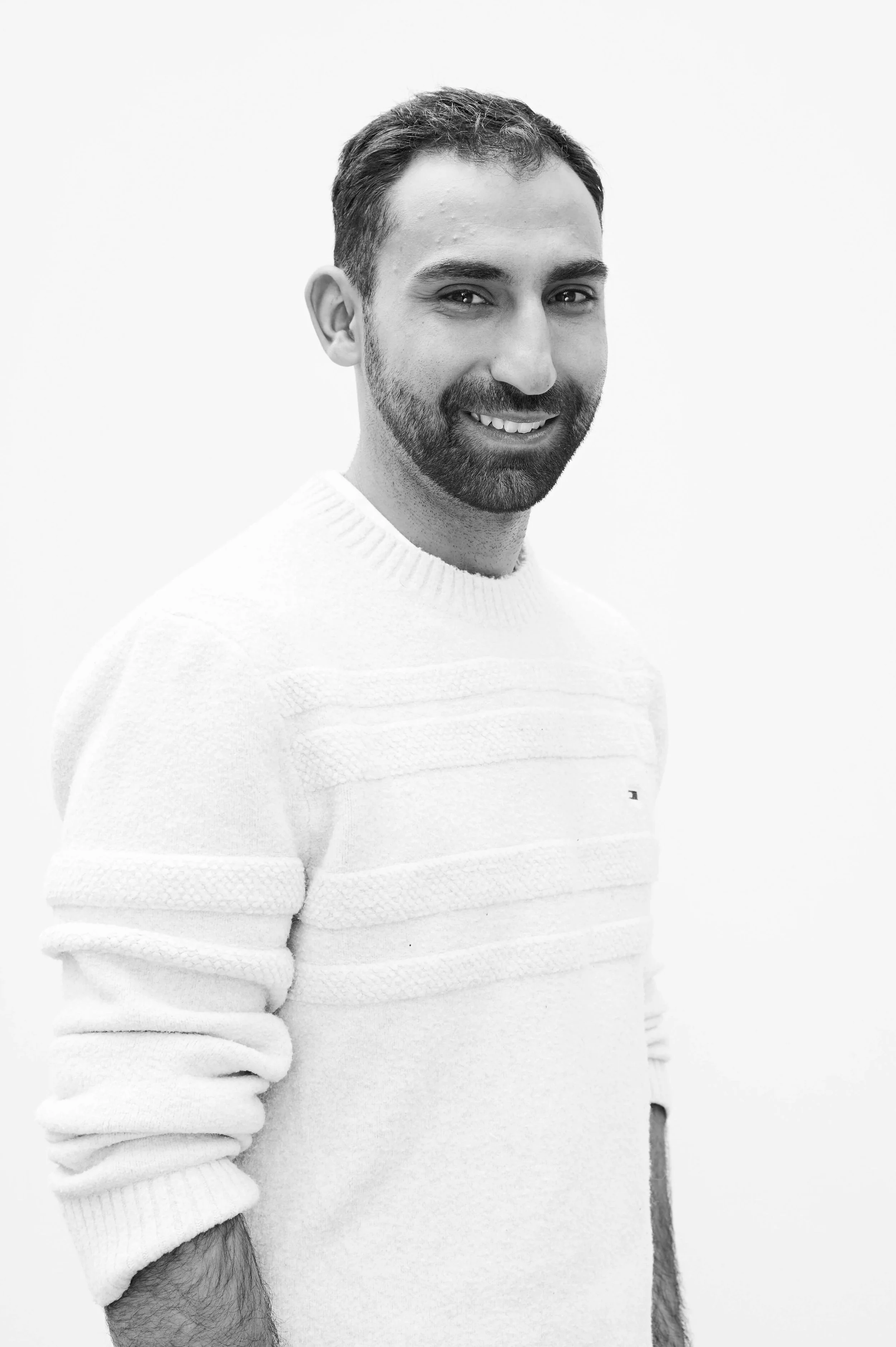
Enzo
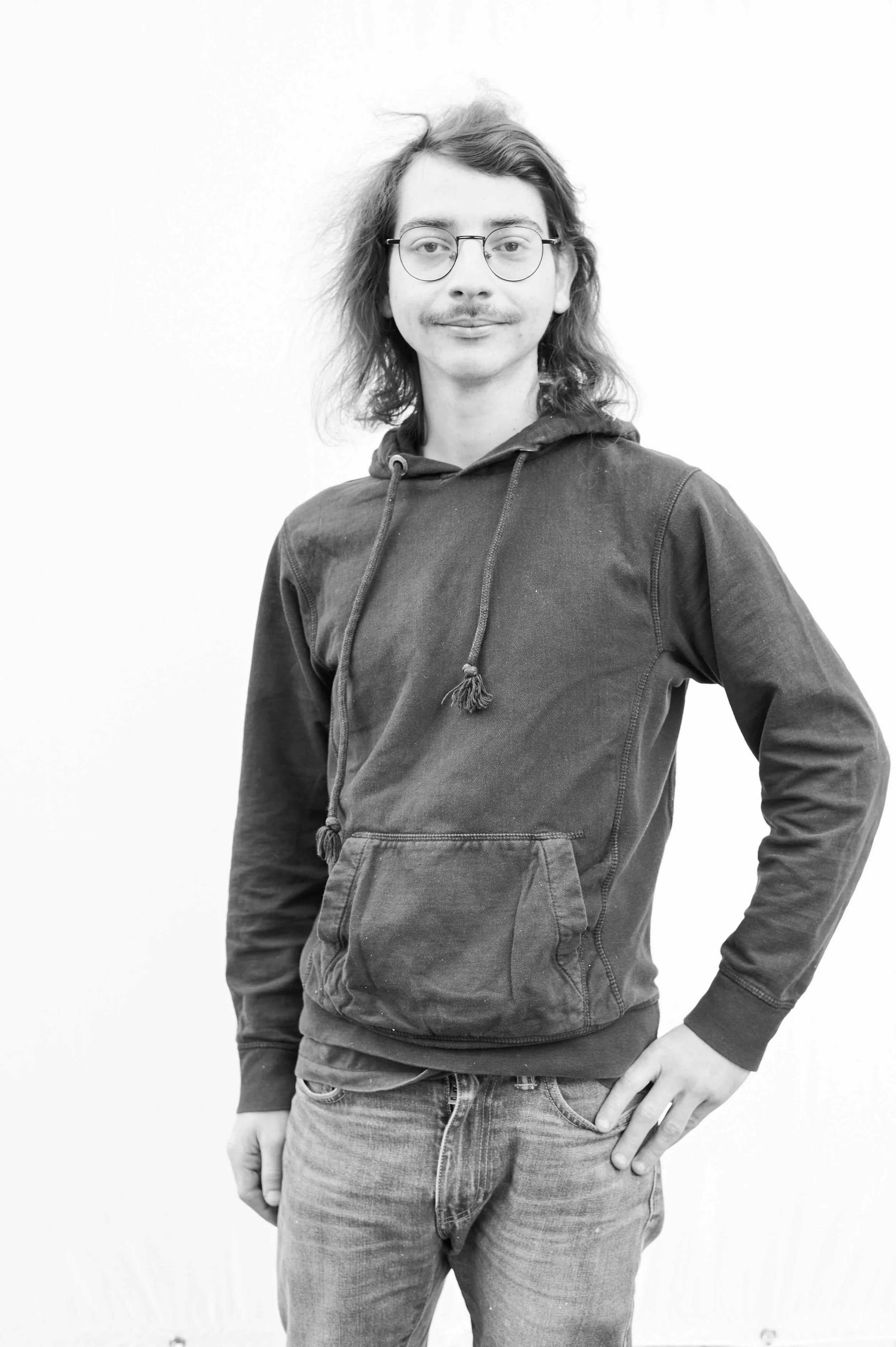
Djezon
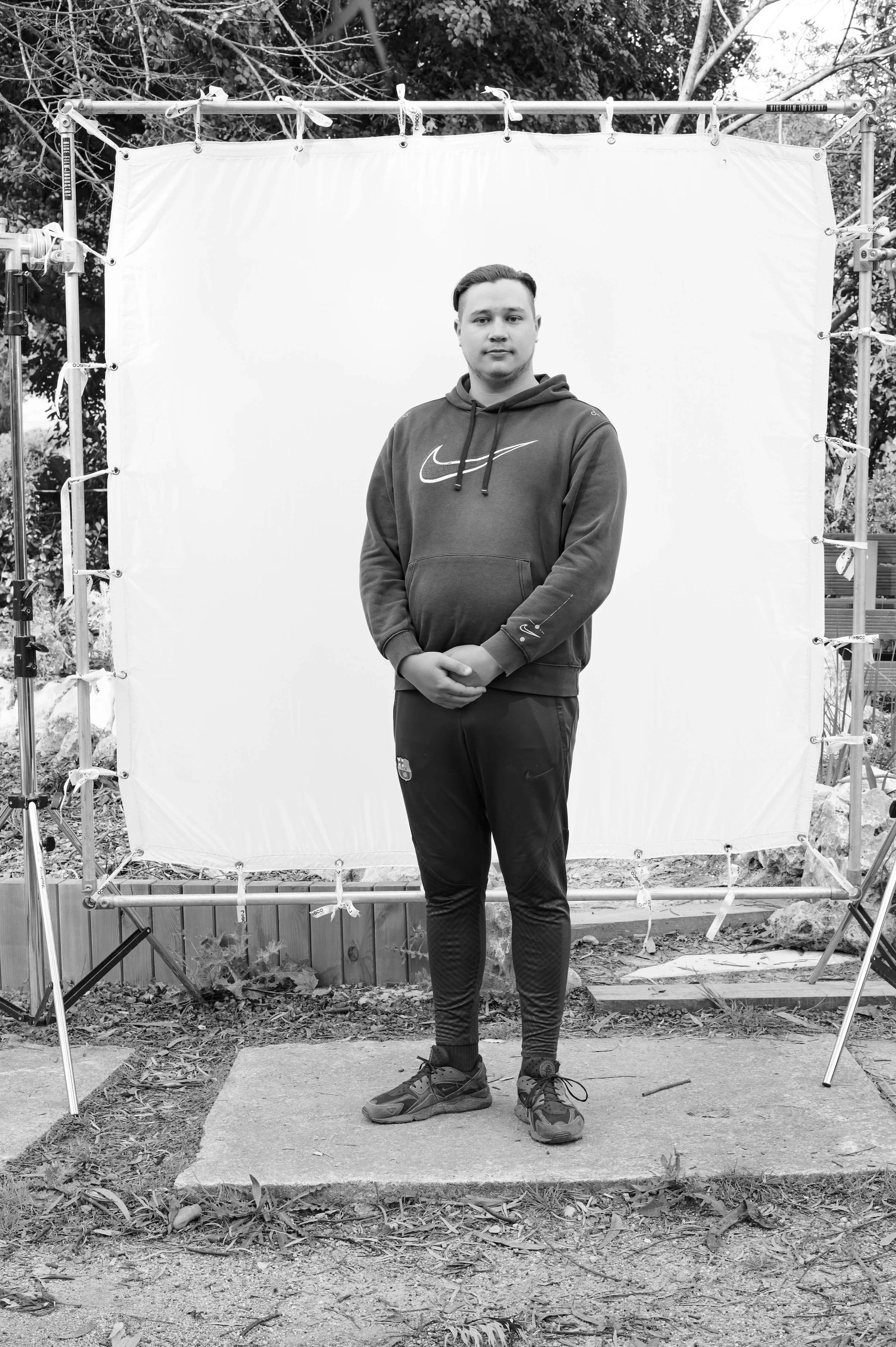
Mathis
I would like to thank Victoire Moreau from the communications department at Campus Vert d’Azur, who I first contacted and who gave me a lot of freedom to work on this story and Carine Vilardell for her help, her good humor, and our enriching conversations.
I am grateful to the students for sharing their stories.
Clément