WHO WANTS TO BE A FARMER TODAY ?
by CATERINA SUZZI
I was 15 when I first visited the French Riviera. My parents fell in love with this region, nestled between the sea and the mountains, where they bought a house in the late 1990s. We spent countless vacations there, and seven years ago, I decided to settle in the same village with my family. Over the years, I have been able to closely observe how much the area has changed due to extraordinary urbanisation.
Despite being one of the most fertile and sunniest regions in France, today it has the lowest rate of food self-sufficiency in the country (just half a day).
In the Alpes-Maritimes department, the loss of agricultural land is four times higher than the national average. And more than eight out of ten farms have disappeared. Why?
In addition to the structural difficulties of farming, land pressure is such that many farmers approaching retirement (more than half of farm managers or co-farmers are over 55) accept generous offers from real estate promoters.
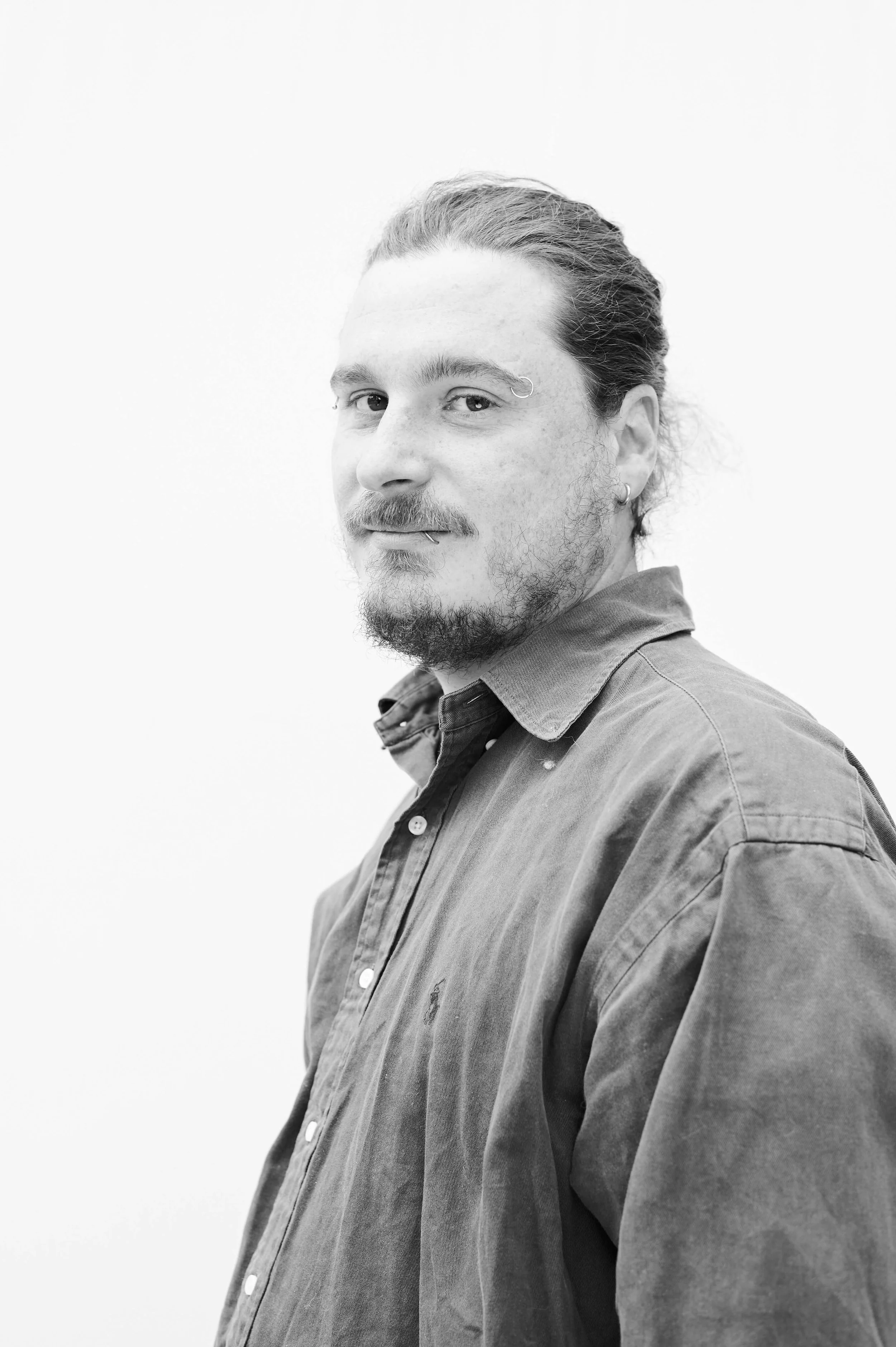
The issue of generational renewal in the profession is becoming a major challenge for the future of the agricultural sector in this region, where it is almost impossible to find land or funds. Luckily, there are organizations such as Safer (Society for Land Development and Rural Settlement) that support project leaders and aid such as the DJA (Young Farmers Grant) who is crucial in facilitating the process of setting up a farm.
But how to learn a profession that was previously passed down from father to son?
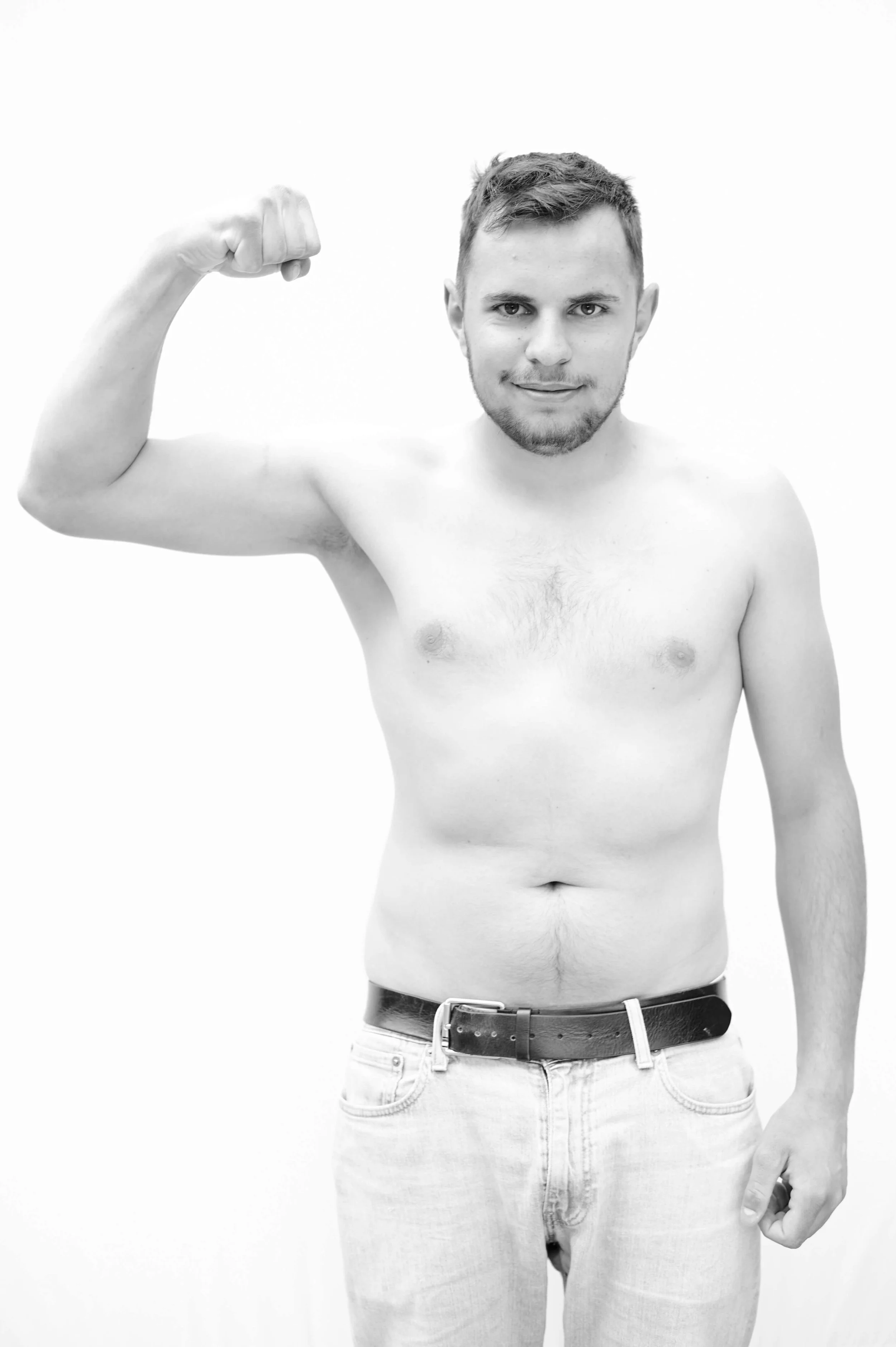
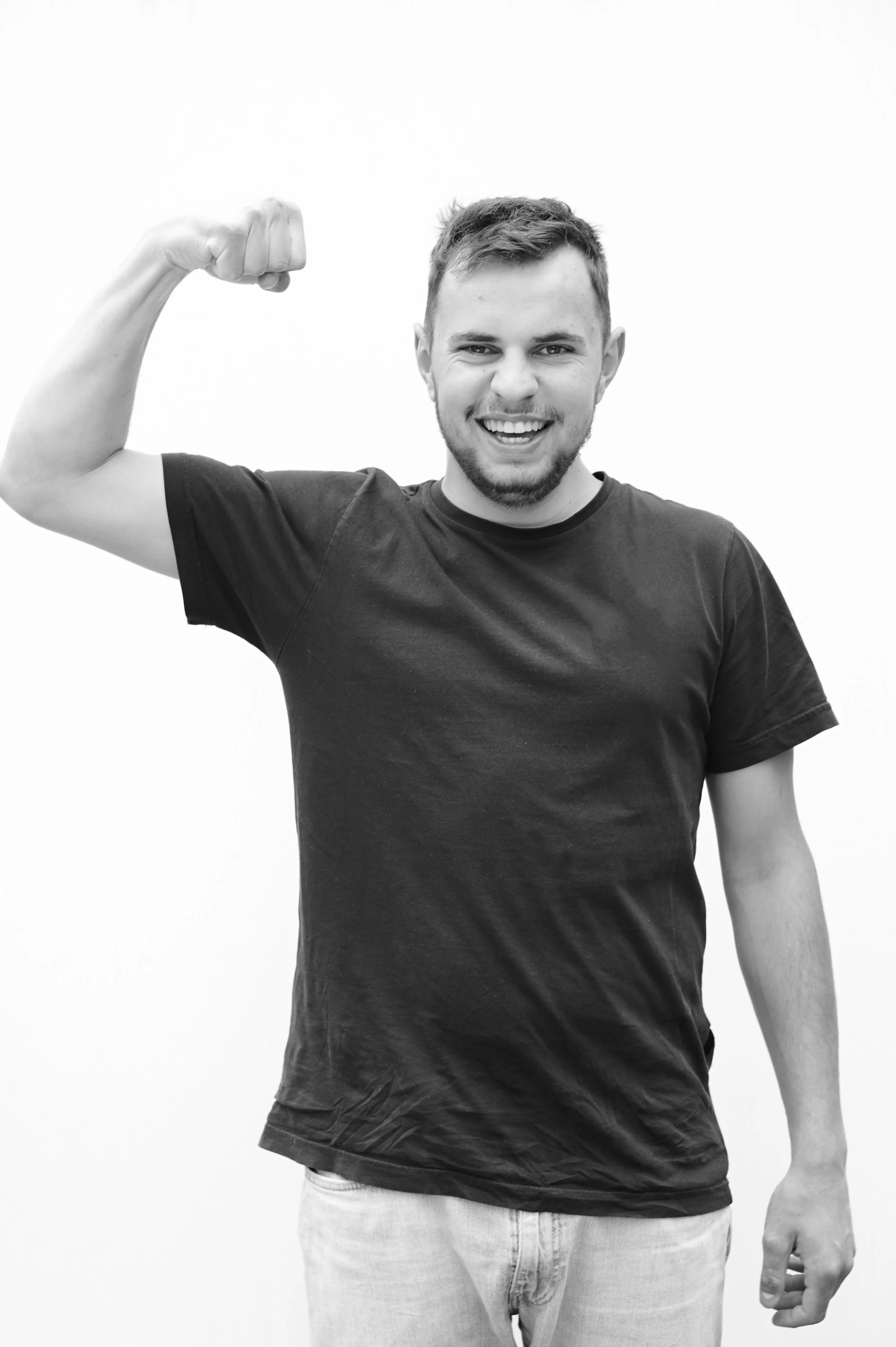
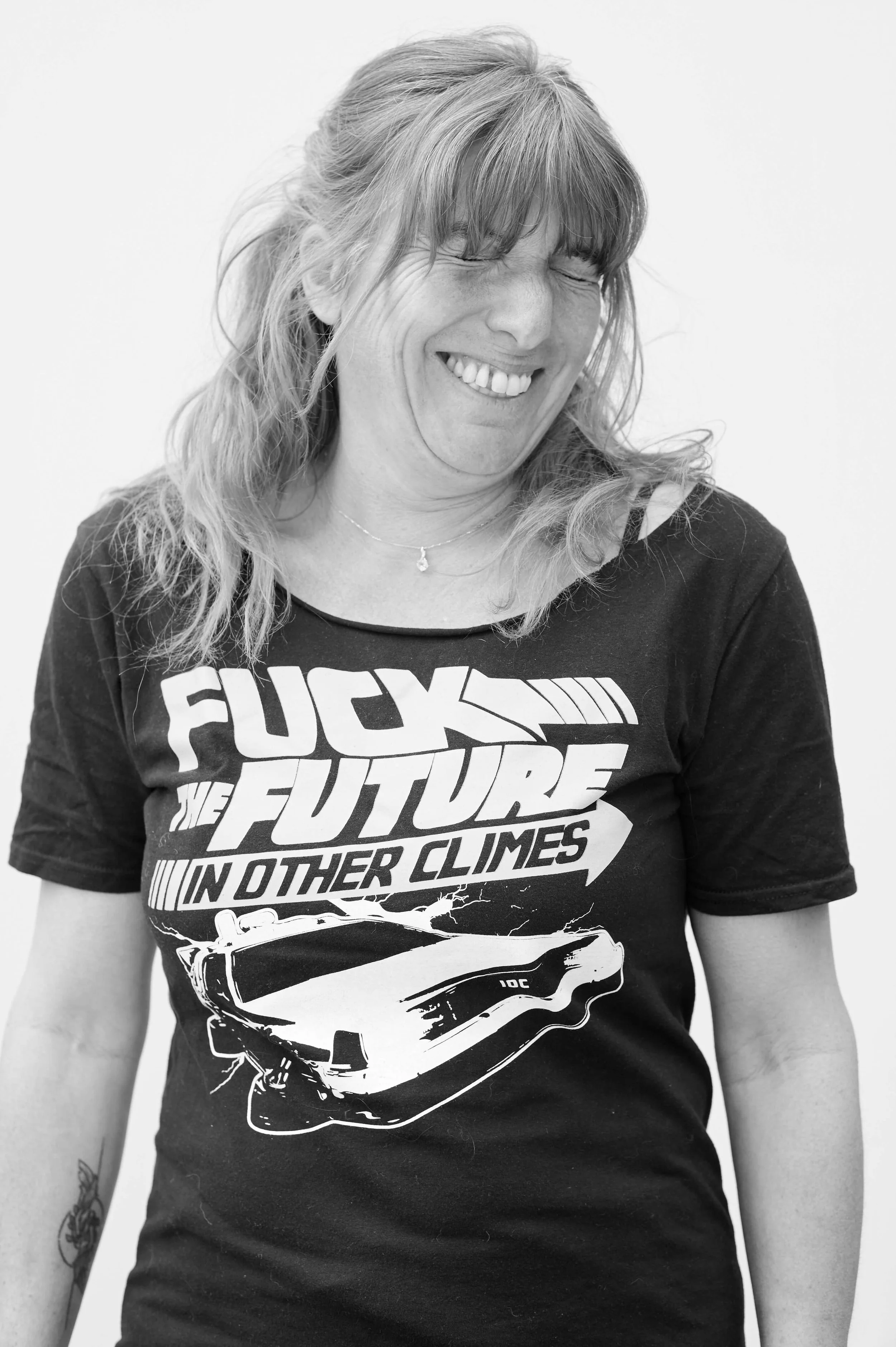
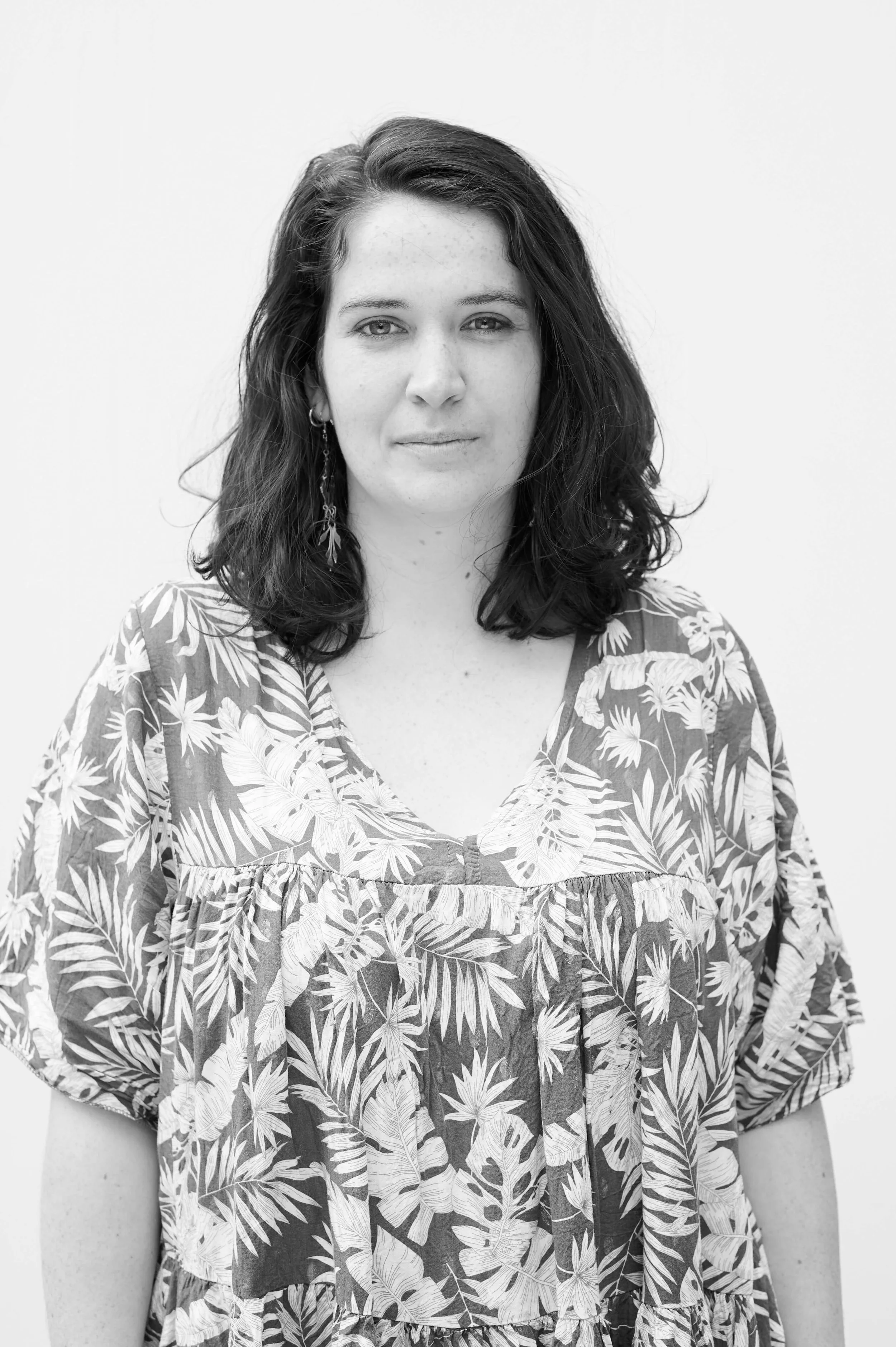
Driven by curiosity to find out who wants to be a farmer in the Alpes-Maritimes today, I decided to meet those who have chosen to change career or to train at the Campus Vert d'Azur (BP REA*) in Antibes.
They are modern-day heroes to me. Their motivations for choosing this challenging path are a demonstration of their altruism. Most of them are not only committed in feeding others by restoring or preserving natural resources, but above all in embarking on a journey of self-sufficiency and personal liberation.
They want to forge links with their family history or show their children a different way forward.
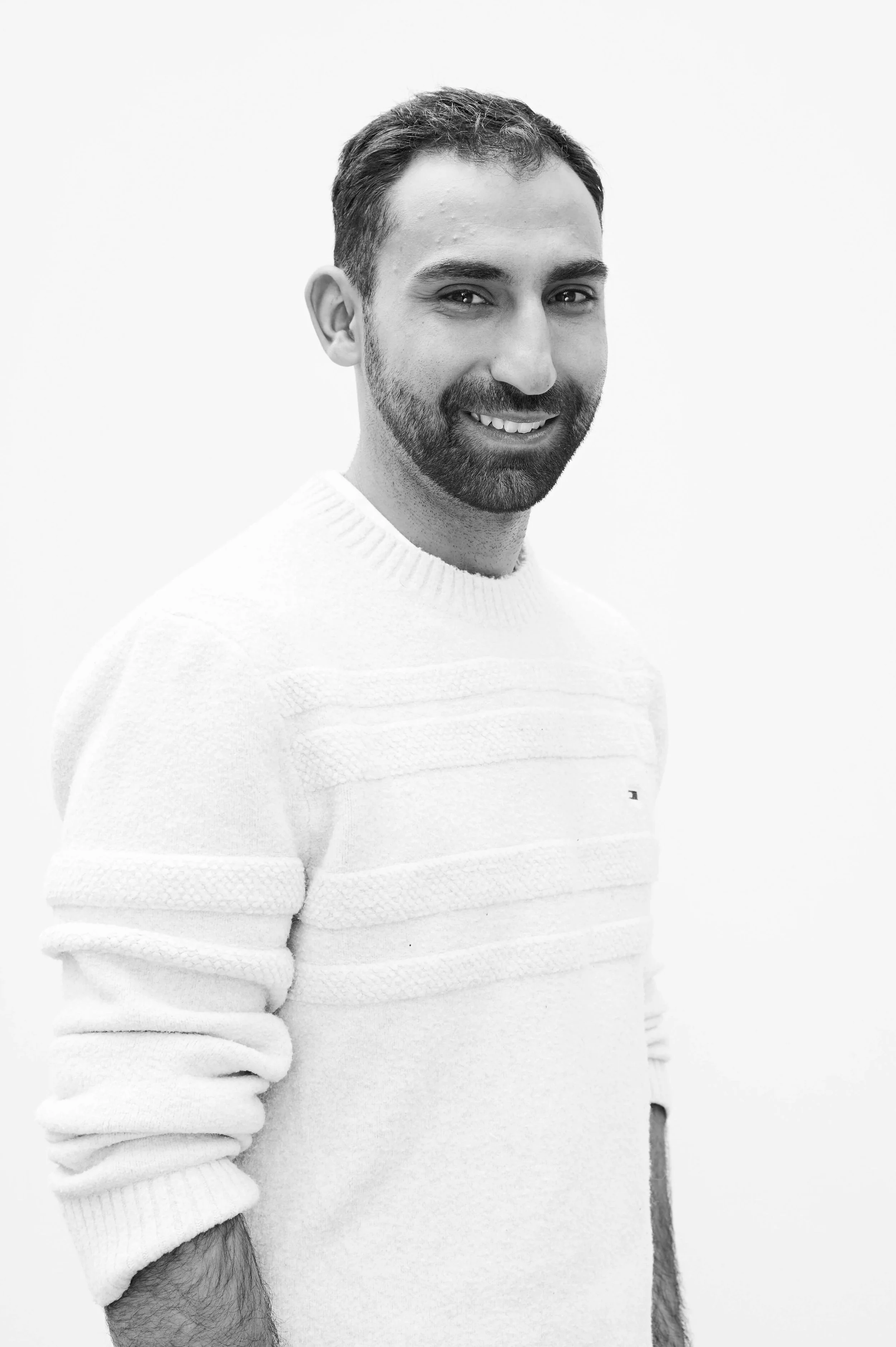
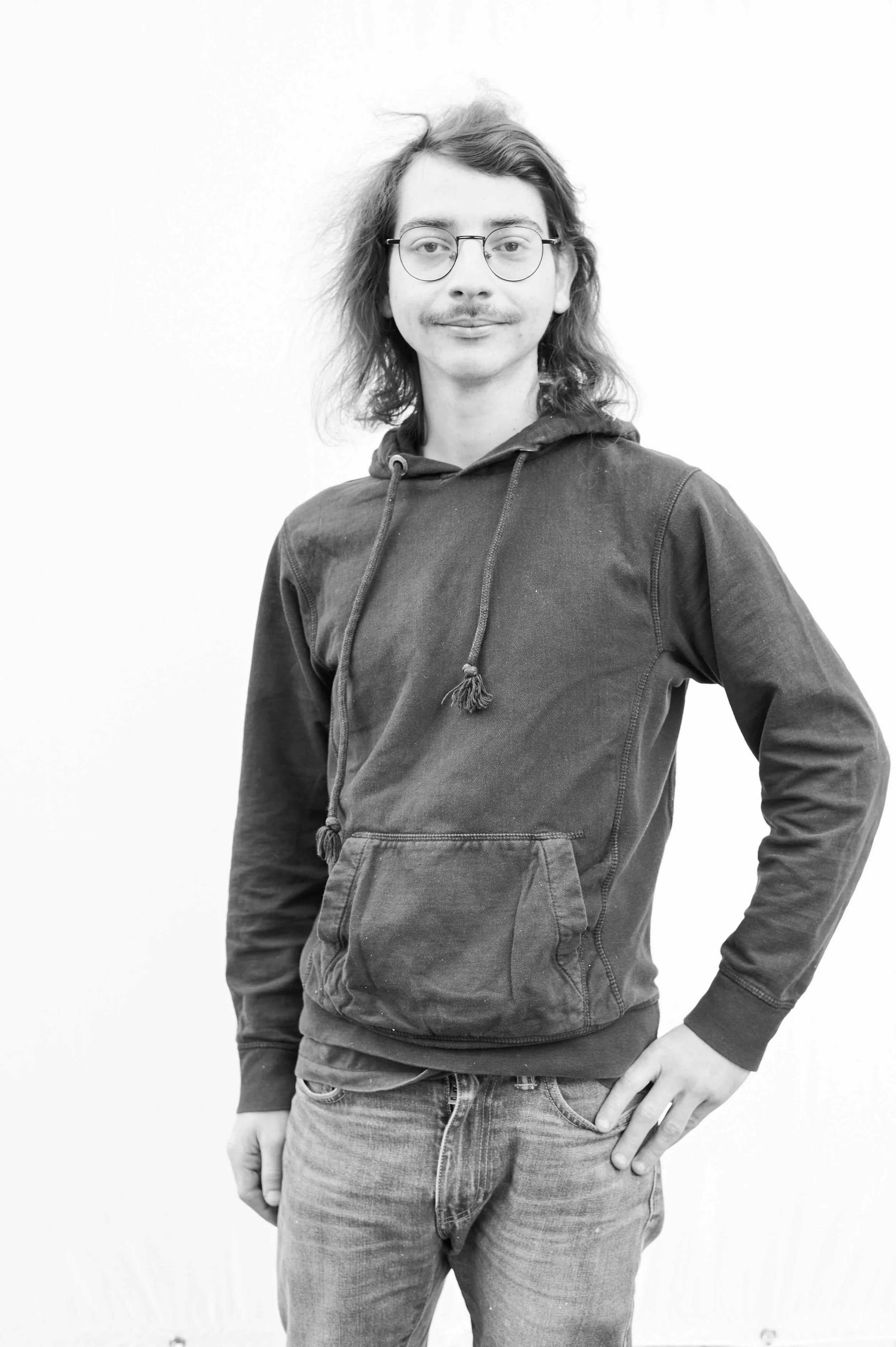
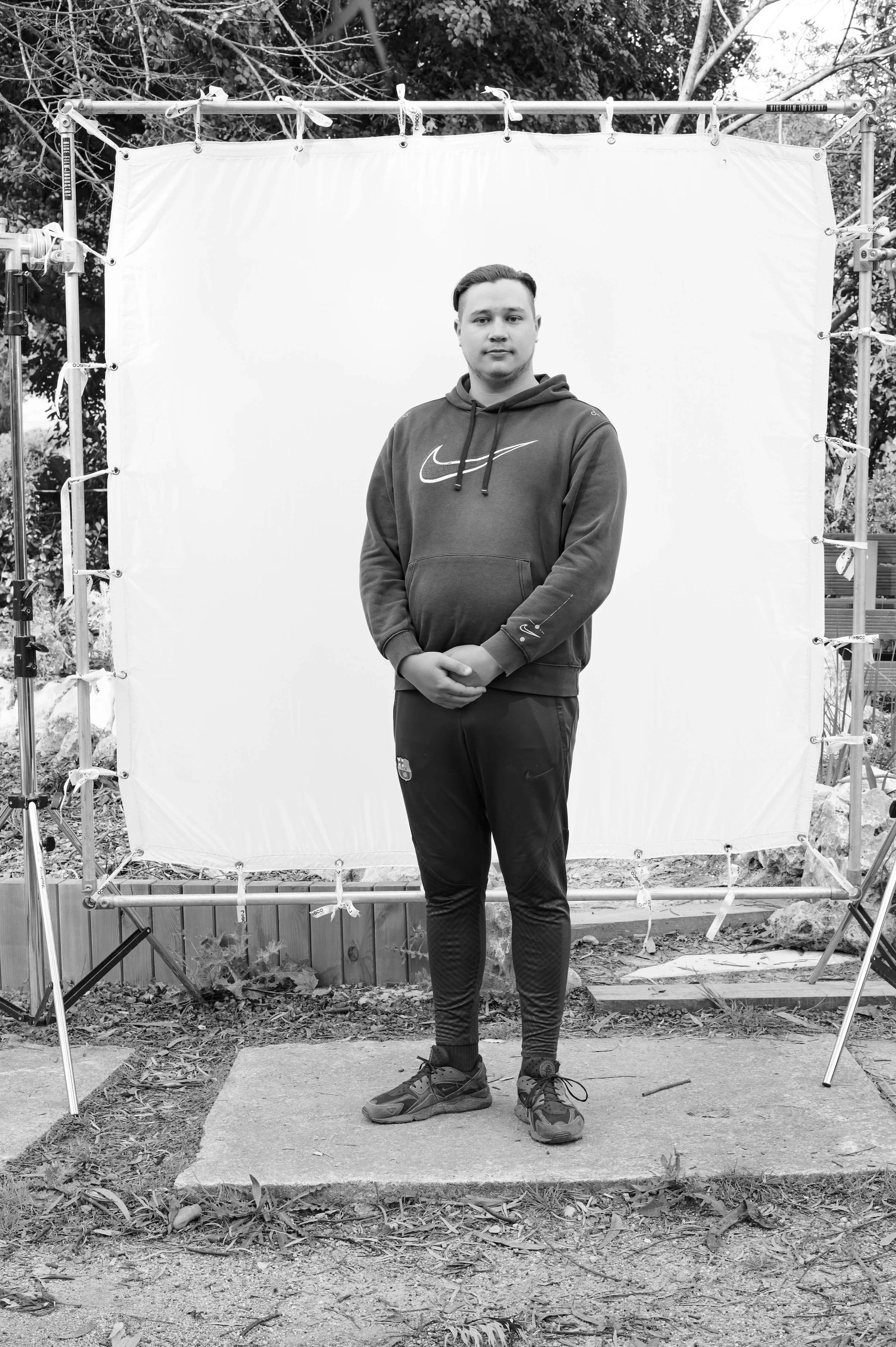
Here are their faces and their stories.
*In two years, the BP REA (professional certificate in agricultural business management) training program enables participants to set up as farm managers or become employees on one of these farms.
The program, which involves around 20 contributors, provides access to funding aimed at helping young (and older) farmers to set up in the region.
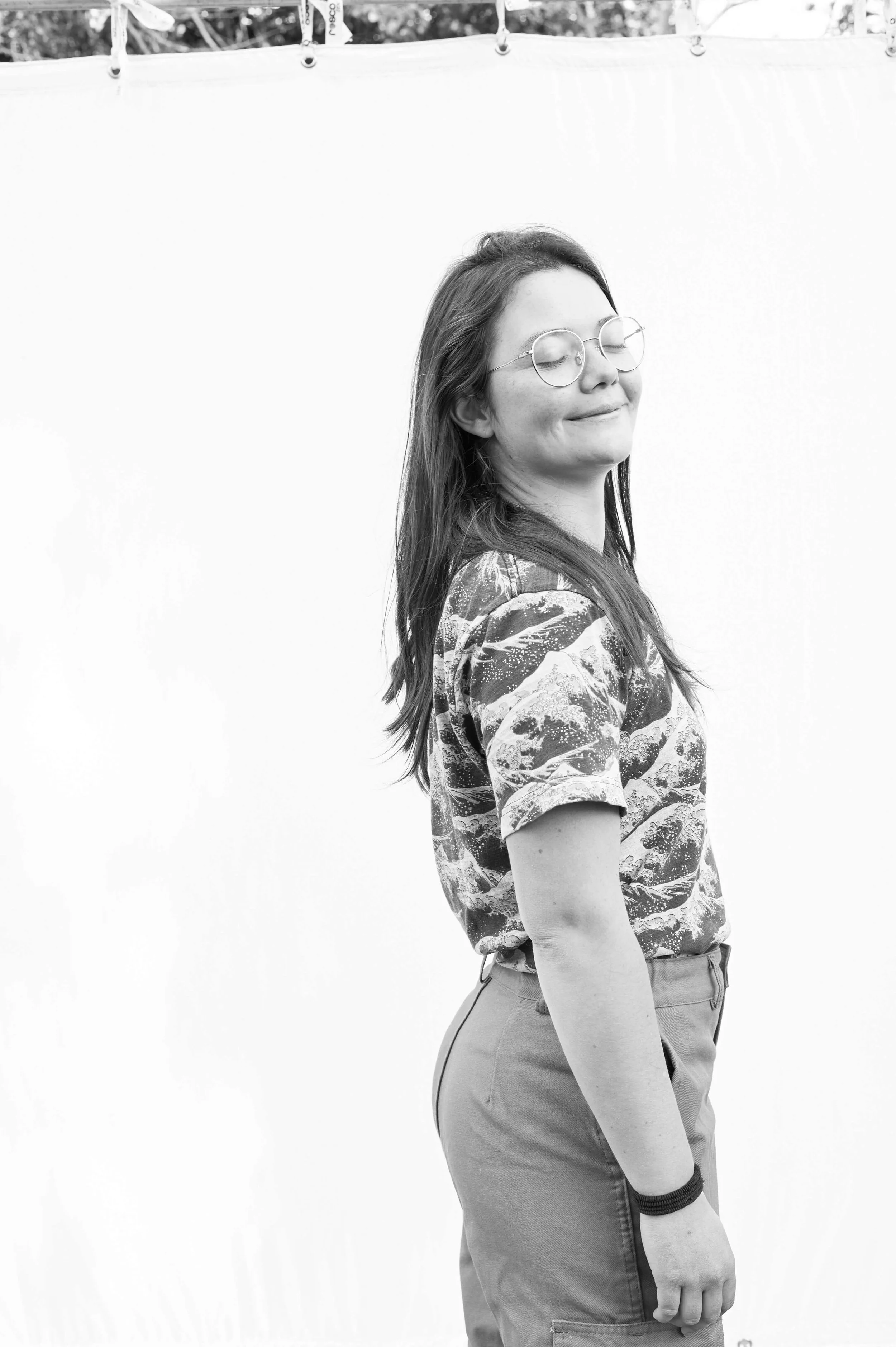
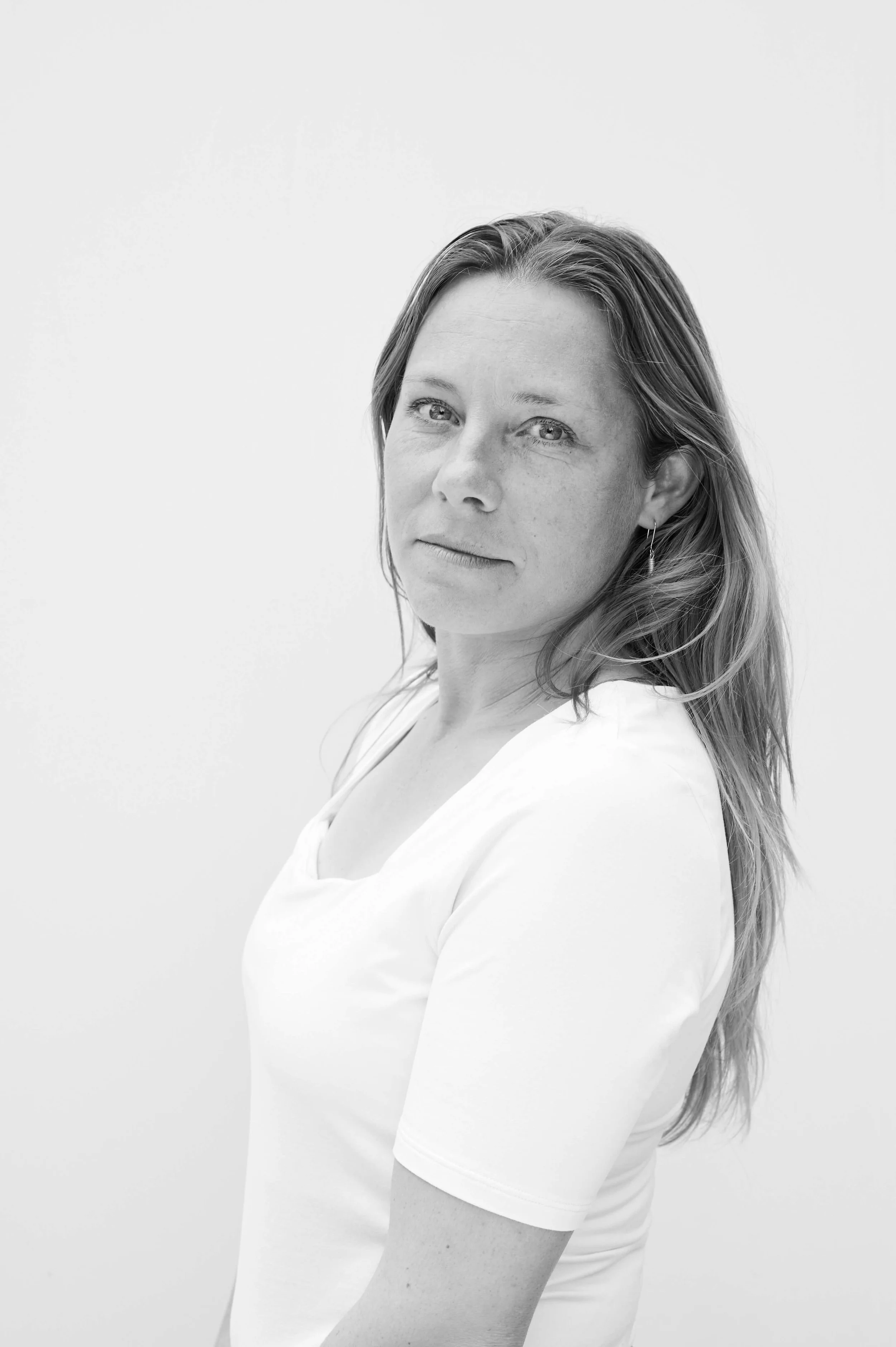
I have worked as a trainer at the Campus for six years. During this time, I have learned that it is important to give all students the opportunity to find their own path. Dreams are what drive us forward. So what's the point of telling them before they start that they won't succeed, that they won't earn a living and that it's too hard?
I studied agriculture and then worked as an agricultural employee in the south-west of France. I worked mainly in livestock farming because my father, grandparents and uncle were all cattle and pig farmers. I really grew up in that environment. When I was 10, my parents bought an abandoned farm. I witnessed first-hand what it's like to start from scratch and work yourself to death. It destroyed them. They divorced ten years later. Those ten years were very hard; we were there all the time, helping our parents after school and during the holidays. So I know what it's like to mix concrete, build livestock enclosures, put up fence posts and watch over the cows. Being a farmer's daughter is not exactly cool today. My father would pick me up from school in his muddy cattle truck and emerge covered in dirt. We don't necessarily think about it, but I grew up feeling ashamed to say what my parents did for a living.
Despite this, I decided to study in this field. I worked on farms because I enjoyed it, and then I went on to work in agricultural administration and in a health protection group that deals with managing diseases on livestock farms. I did that for eight years and really enjoyed it, as it was an organisation that helped farmers. Then I was hired at the Chamber of Agriculture in the Alpes-Maritimes as a settlement advisor.
At the Chamber of Agriculture, I learned to respect all project leaders. It is important not to crush their dreams. Over time, I have learned not to judge, as I have changed my mind and realised that some of the more unconventional project leaders, who I would not have bet on, have ultimately succeeded in setting up and developing their businesses perfectly.
However, after two years, I left because it had become quite routine. Then, one day, while I was speaking at the BP REA on behalf of the Chamber of Agriculture, I was told that a position was becoming available. Since I've always like training, I accepted immediately. Nowadays, I teach students about labour law, marketing, business operations, work management, legal and social statutes, and food hygiene. I spend a lot of time with them. I am responsible for planning the training courses and recruiting other trainers. I also find the sites where they will complete their internships. It's fascinating. Thanks to the network I built up at the Chamber of Agriculture — particularly through organising the 21-hour internships — I have met all of the professional agricultural organisations in the Alpes-Maritimes region that are involved in setting up new farms.
Furthermore, I have a good understanding of the agricultural world, having experienced it through my parents. I know how physically demanding the job can be. I know what is beautiful about this profession and what is less so. I know it from the inside. When I became a trainer, I loved having an audience who wanted to become farmers. After spending years feeling ashamed of being a farmer's daughter, it is very rewarding to have people in front of me for whom it is a dream. They are eager to learn, and I can finally share my story and experience with pride.
Carine Vilardell
Economics trainer and coordinator of the BP REA (Professional Certificate in Agricultural Business Management) training programme
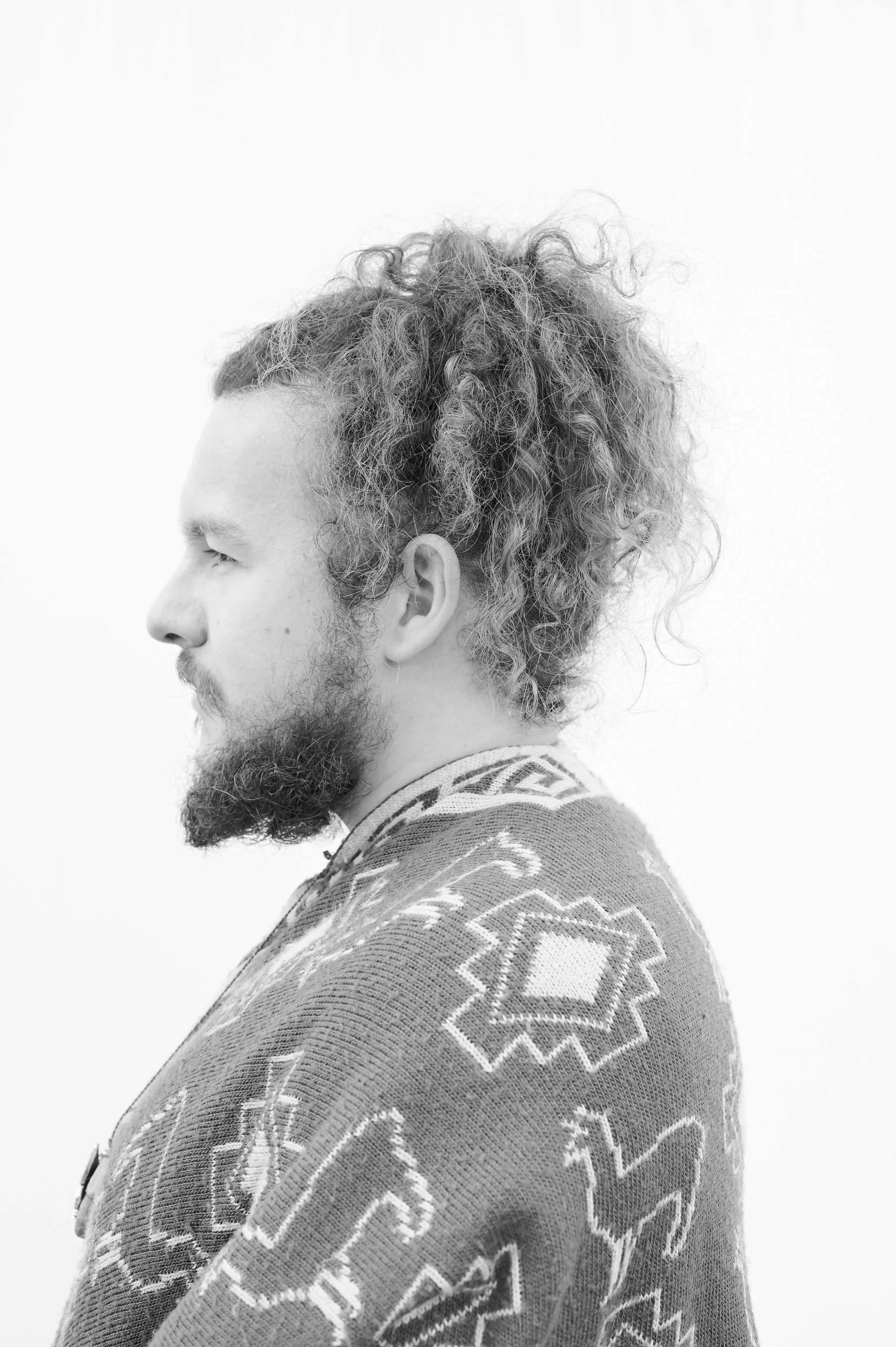
I am 27 years old. Before starting this training course at Campus Vert d'Azur, I worked as a computer scientist. I did that job for four years. Sitting in front of a computer all day was driving me crazy. I wondered how I had ended up there.
I started my professional career when I was 15, working in metalworking, followed by years of temporary jobs. Mostly crappy jobs. I even worked in a waste sorting centre. The waste flies past you at high speed. I got terrible headaches. The job involves grabbing the waste very quickly, which is really hard. One of my colleagues had his arm torn off because the machines were going too fast. It didn't last long, but it made me really aware of the situation. It's mind-boggling how much waste we produce.
Then I worked in factories in Grasse. These chemical industries produce food flavourings. They put that stuff in our food. It's horrible. The smell was awful. I only lasted four months. It took me two months to regain my sense of smell after I left. I couldn't smell anything anymore. There was this persistent strawberry smell in my nose. This experience also guided my choice today, having seen the other side of the food that is offered to us. Processed. I realised that we are really being fed disgusting stuff.
As part of my civic service, I worked in agriculture, acquiring more skills as I became more professional. Since starting the BP REA training course, I've had access to lots of information. It's excellent, and I'm very happy with what we're learning. The trainers and other students are fantastic. My goal is not to feed the world. If people want to eat, they need to learn for themselves and stop relying on supermarkets. Now, when I go into a supermarket, I feel uncomfortable. Seeing food wrapped in plastic isn't normal — it drives me crazy!
Vegetables grow in the ground — you shouldn't wrap them in plastic!
What pushed me in this direction was the realisation of how dependent we are. Society is heading towards implosion, and people who are unaware of the world around them and overly dependent on supermarkets are going to fight each other over a box of ravioli at the checkout. I don't want to kill or be killed in supermarkets, so I would rather grow my own food.
Mathurin
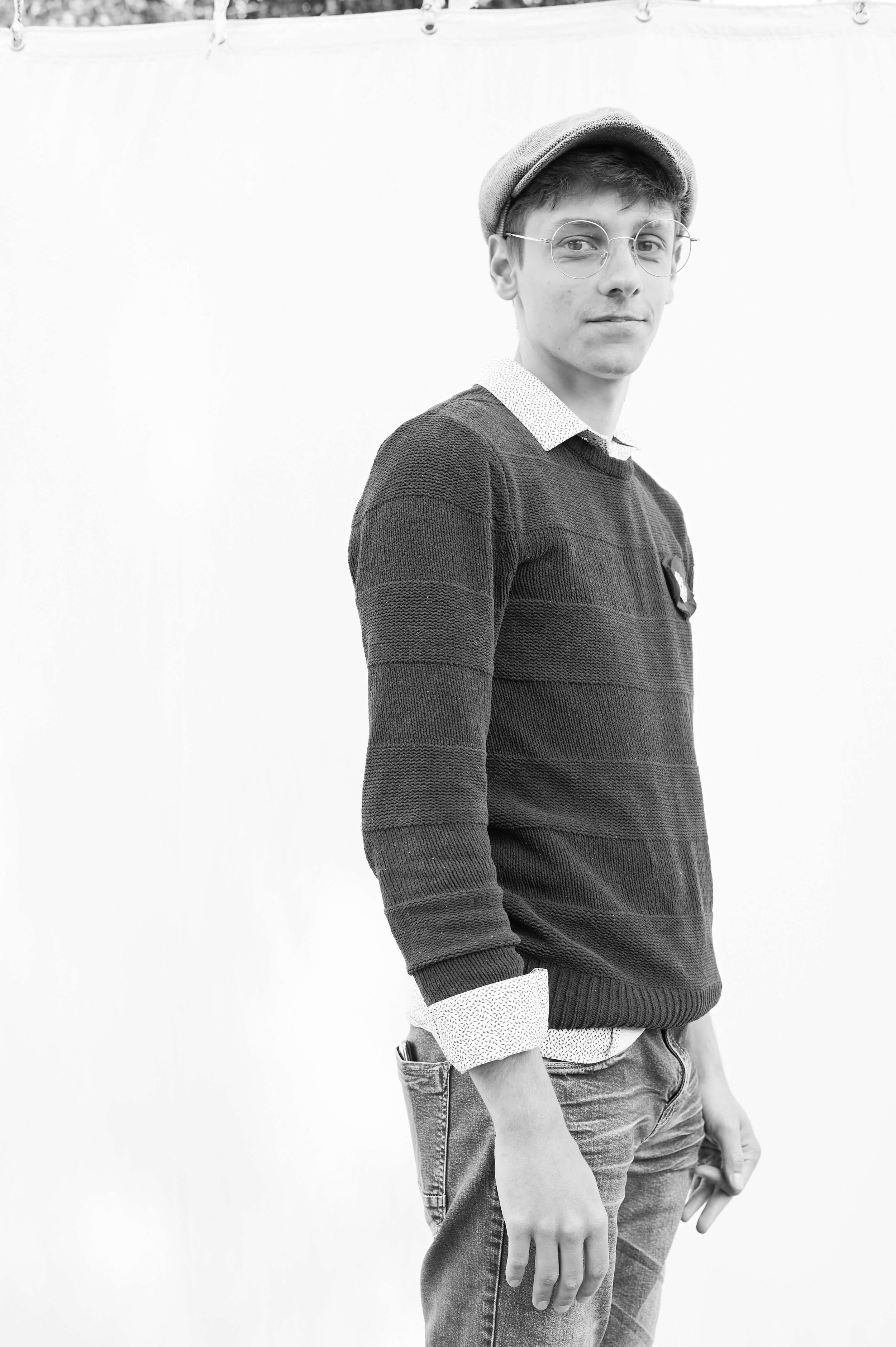
Unlike Mathurin, I chose a career in agriculture very quickly. I wanted to work in preserving biodiversity and conserving natural environments. It was through activism that I became aware of the issues surrounding food. I realised that this was my path. To me, working on food necessarily involves preserving ecosystems as well as considering the social aspect. Food encompasses all of these things. Our association, ‘Nous voulons des coquelicots’ (We want poppies), is based in Mouans-Sartoux, and we are becoming increasingly involved with the local council.
I want to bring a multifaceted project to life. It's not just about having land for production; it's about creating an open and dynamic educational space. This would provide an opportunity for reflection and perhaps help us find a collective answer to the question that has always haunted me: how can we limit our impact on the beauty that surrounds us as human beings ?
What fascinates me is that agriculture causes a lot of damage, yet it can also be the solution to many problems. We are rediscovering many exciting practices and bringing them back into fashion with different names. There are so many exciting things: MSV (market gardening on living soil), syntropic agriculture and agroforestry, to name a few.
In fact, we are not inventing anything new; we are simply rediscovering ways of thinking that were lost due to historical circumstances. Essentially, we need to deconstruct the last century. This model was useful at one time because we had no alternative, but now it is obsolete and no longer meets our needs. This is clearly evident in the increasing number of diseases and the pollution of the soil, water and air.
It is action that keeps me going. We mustn't give up. I want to fight.
Here in France, I want to create the kind of society I want to live in. Firstly, for my own personal happiness, and then it can spread everywhere…
Nathan

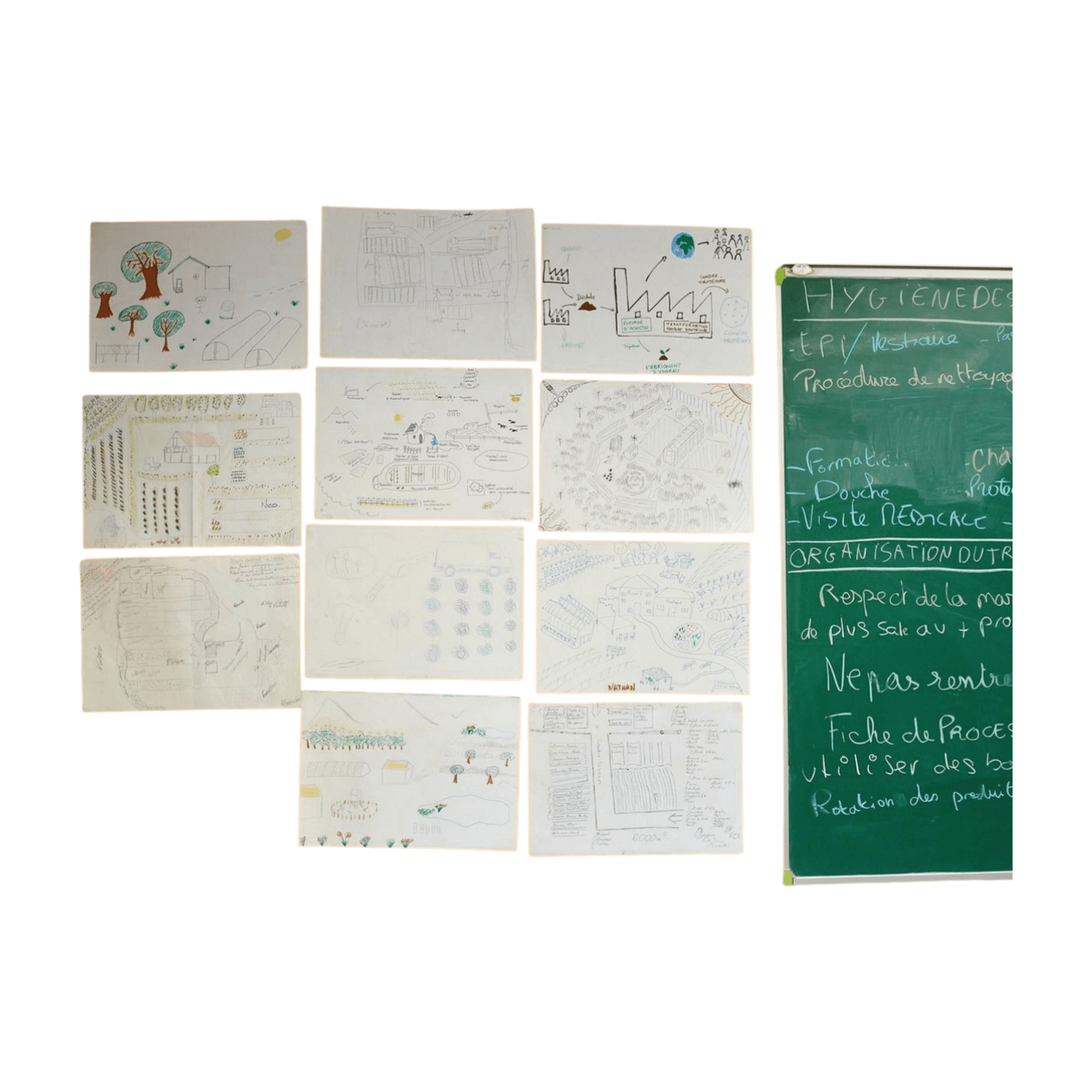
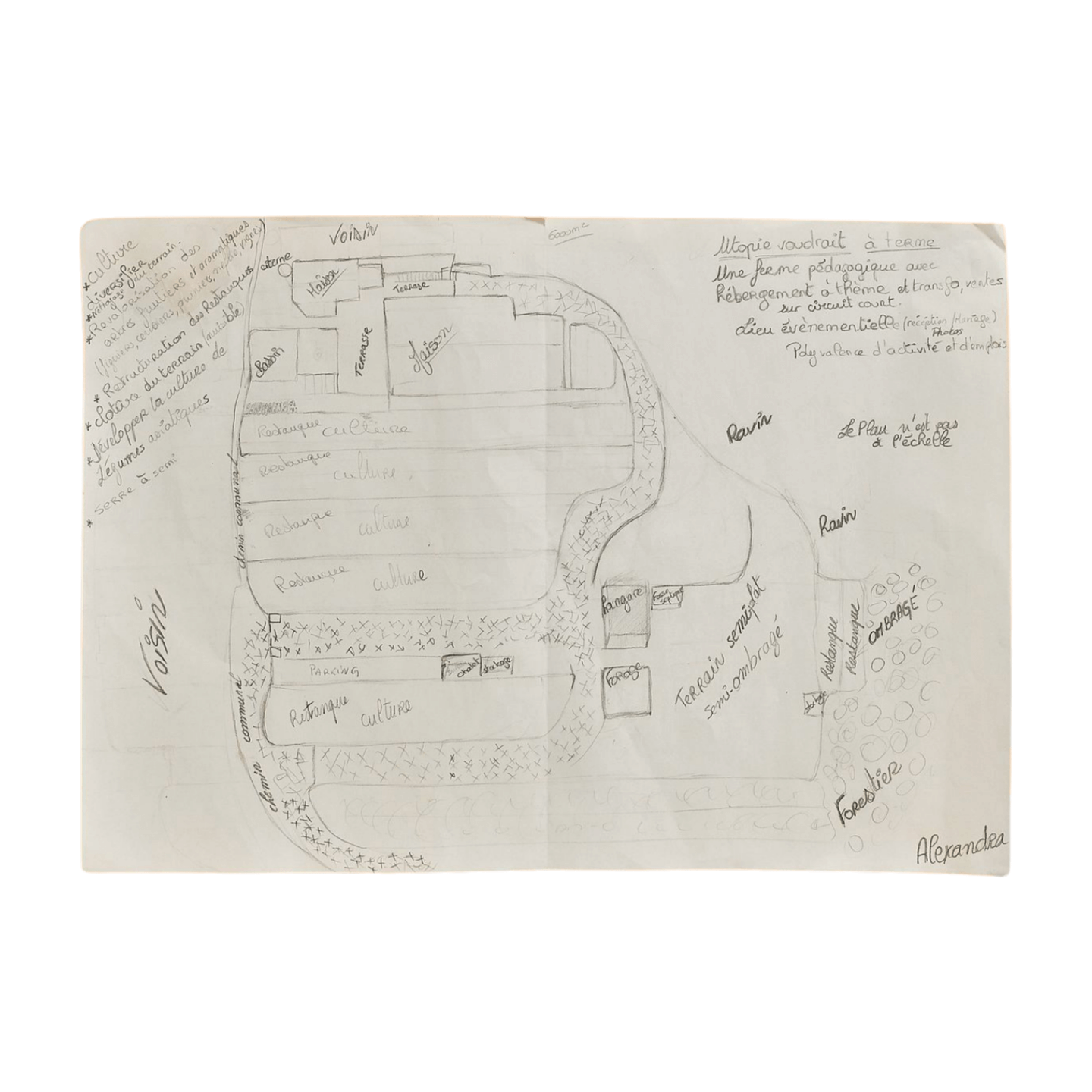
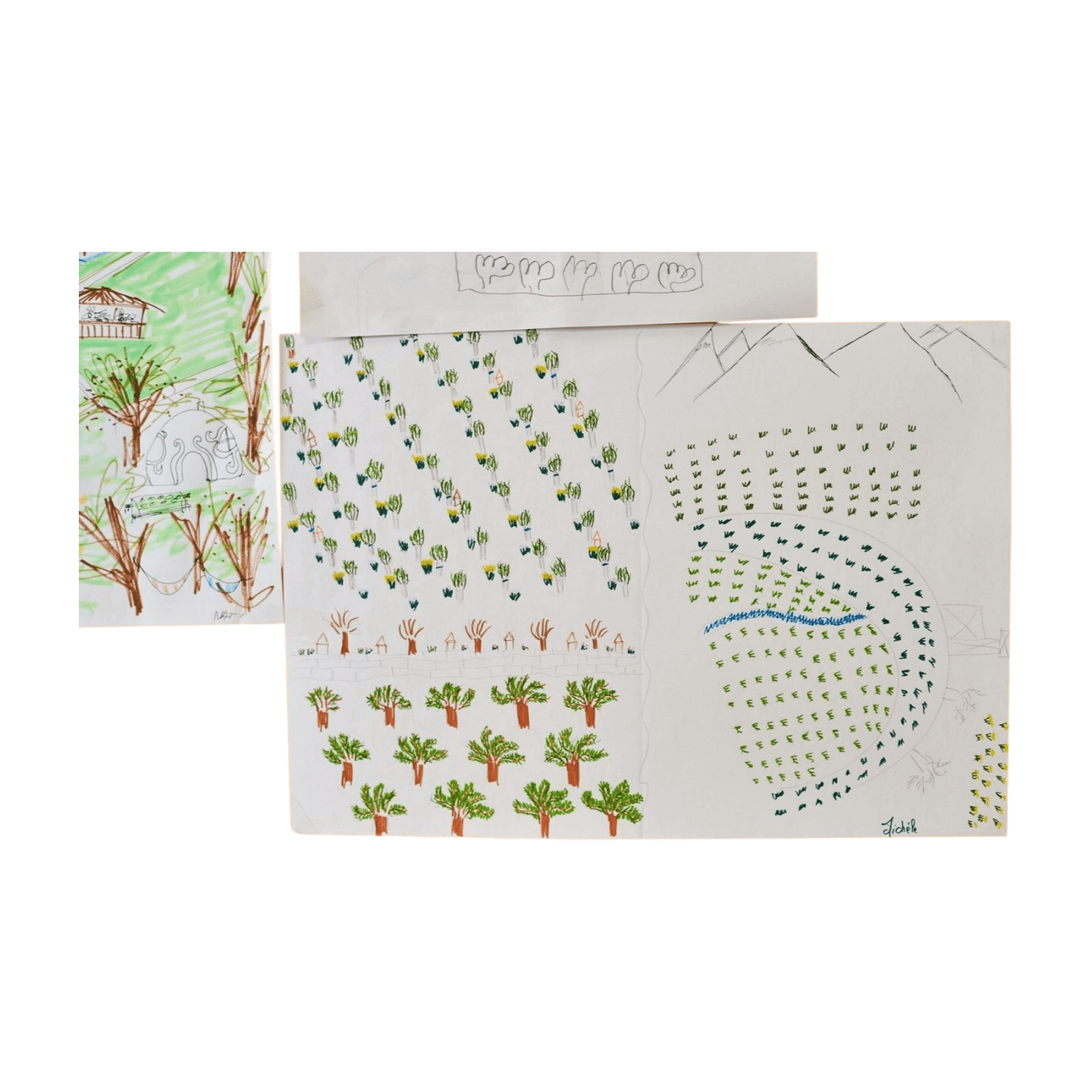
When the students imagine their farms
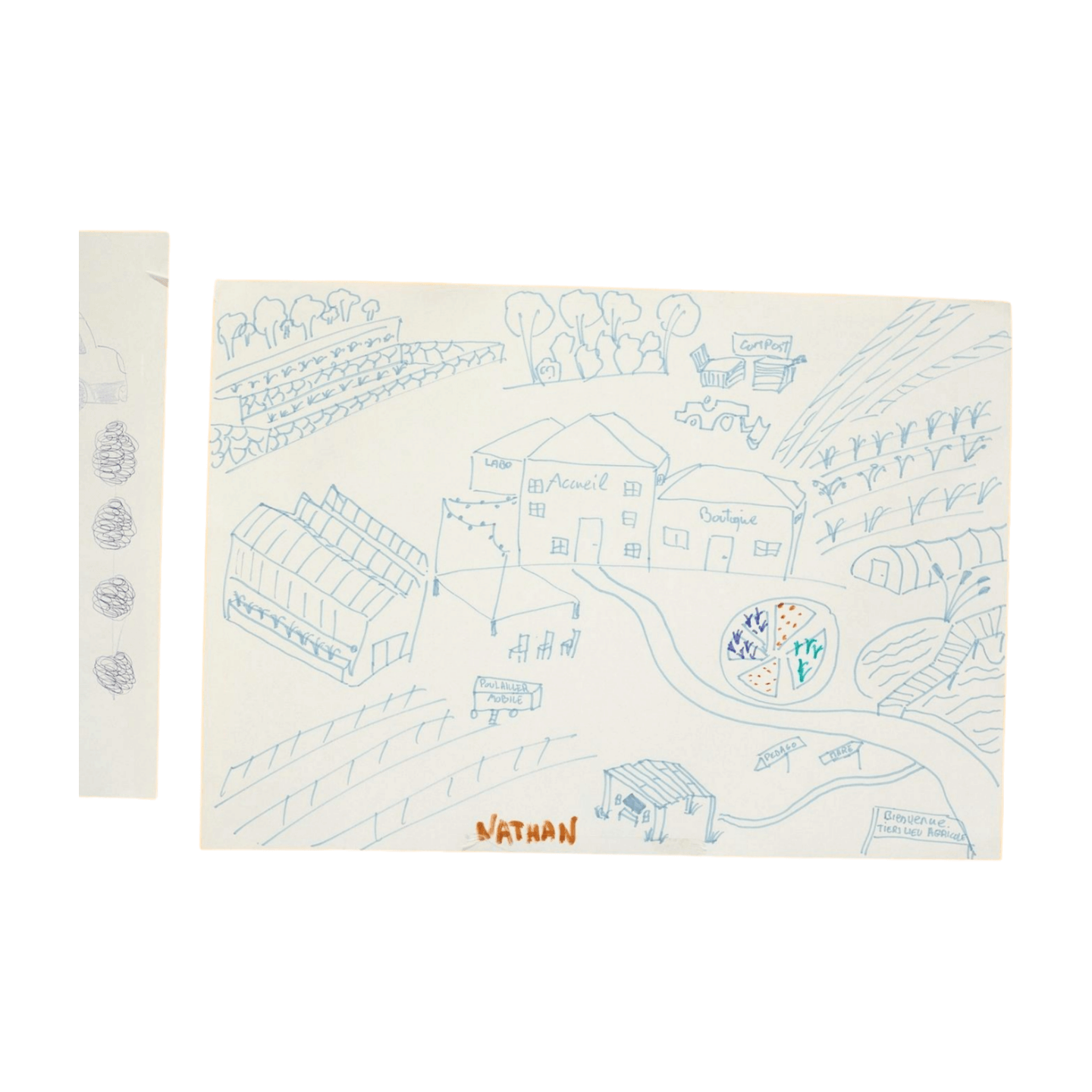
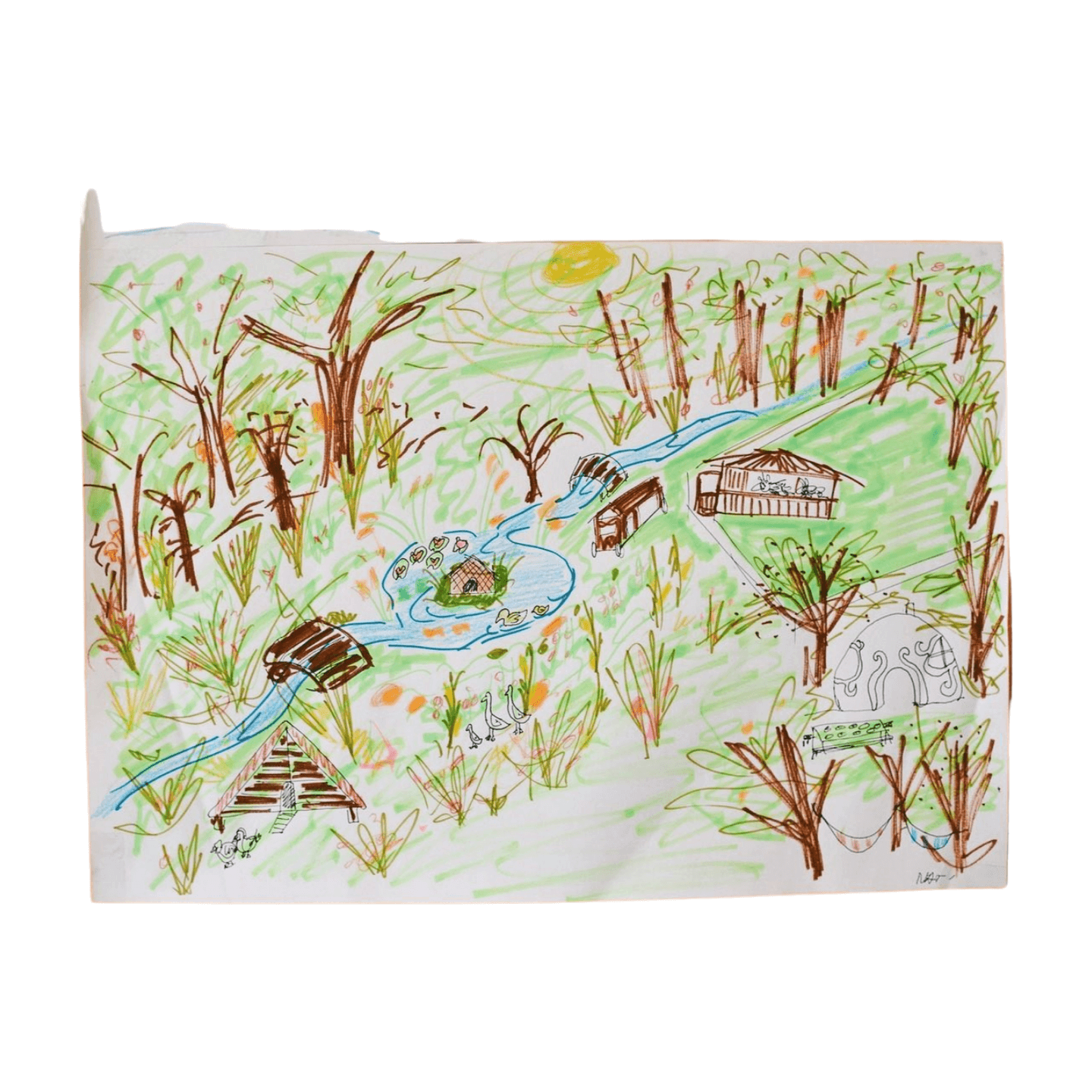
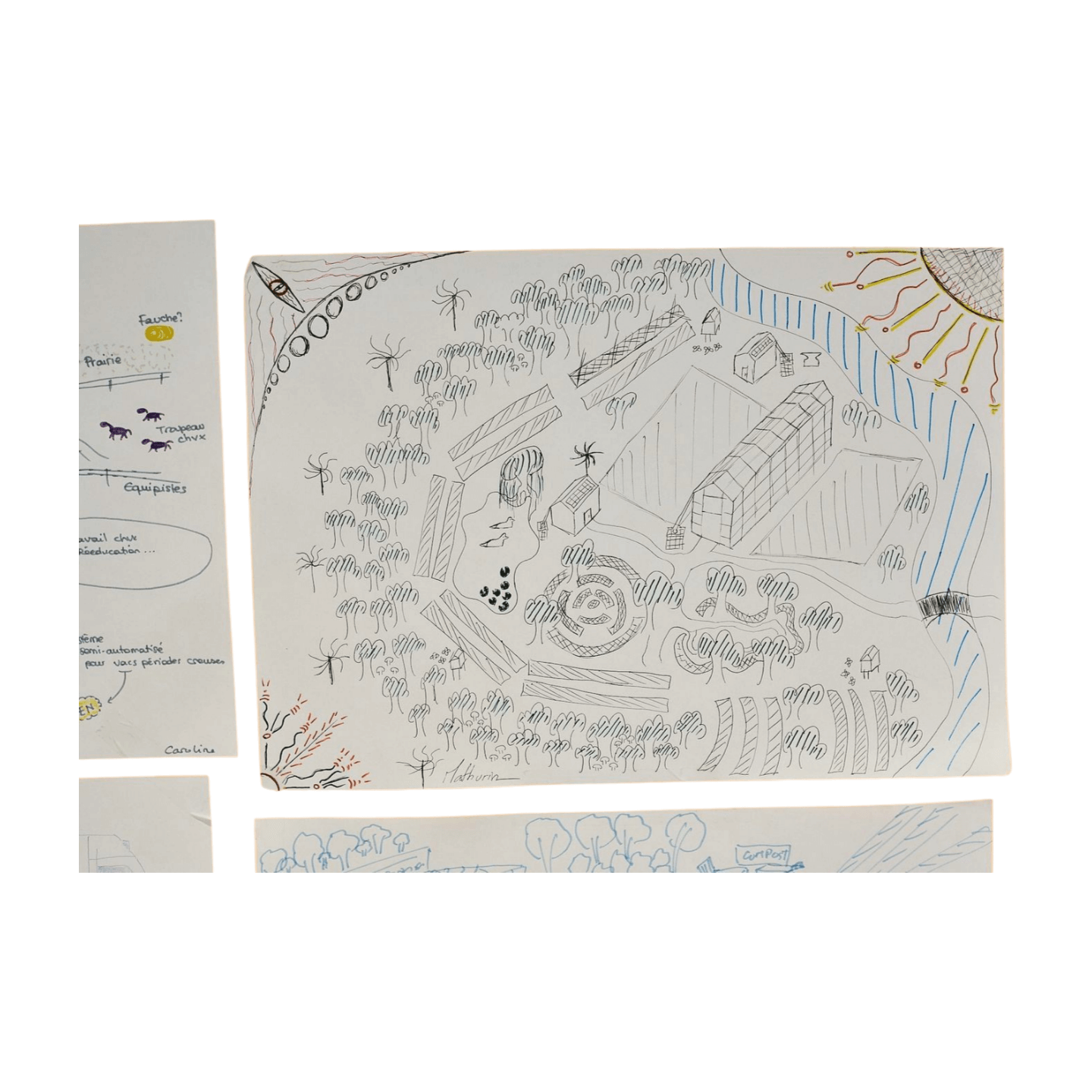
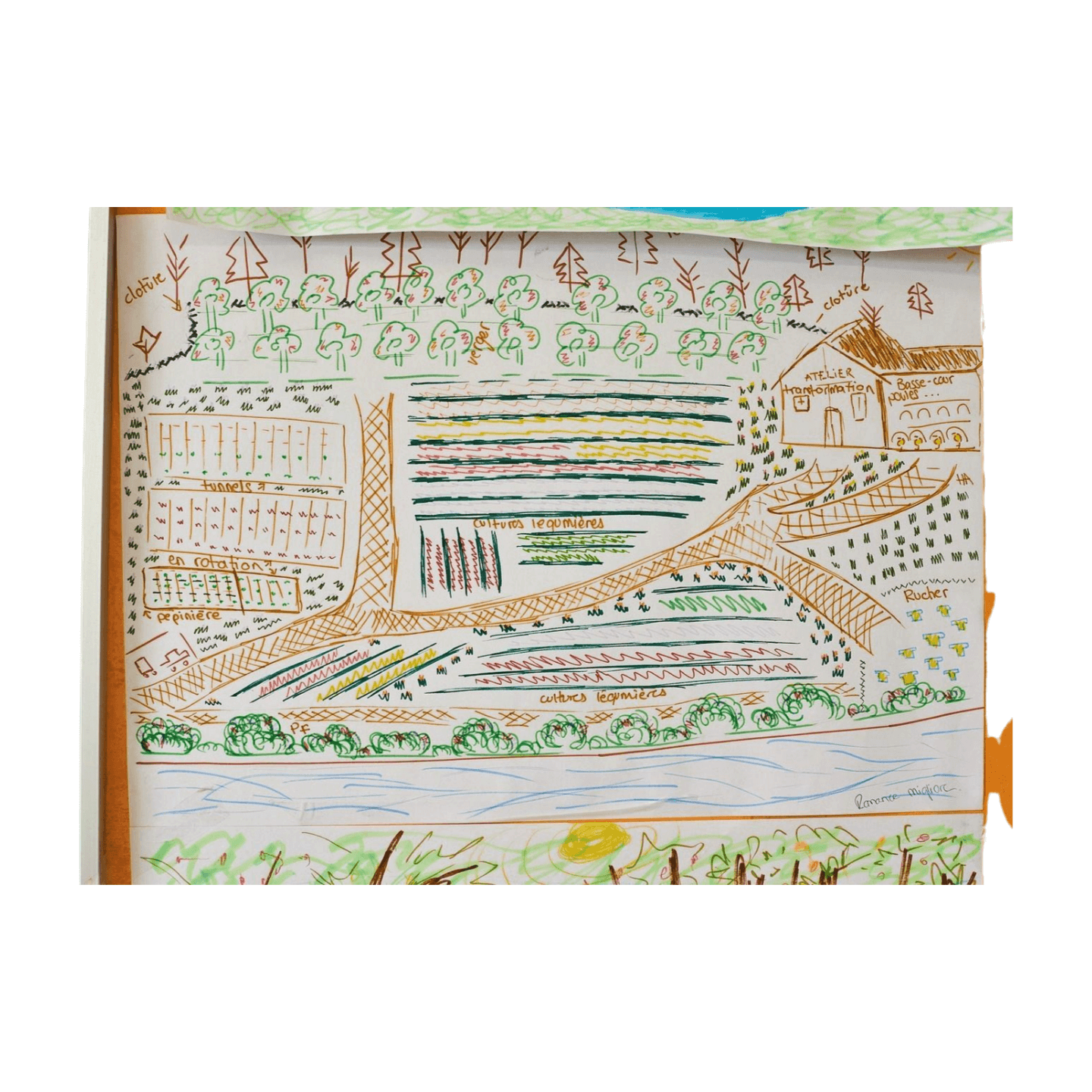
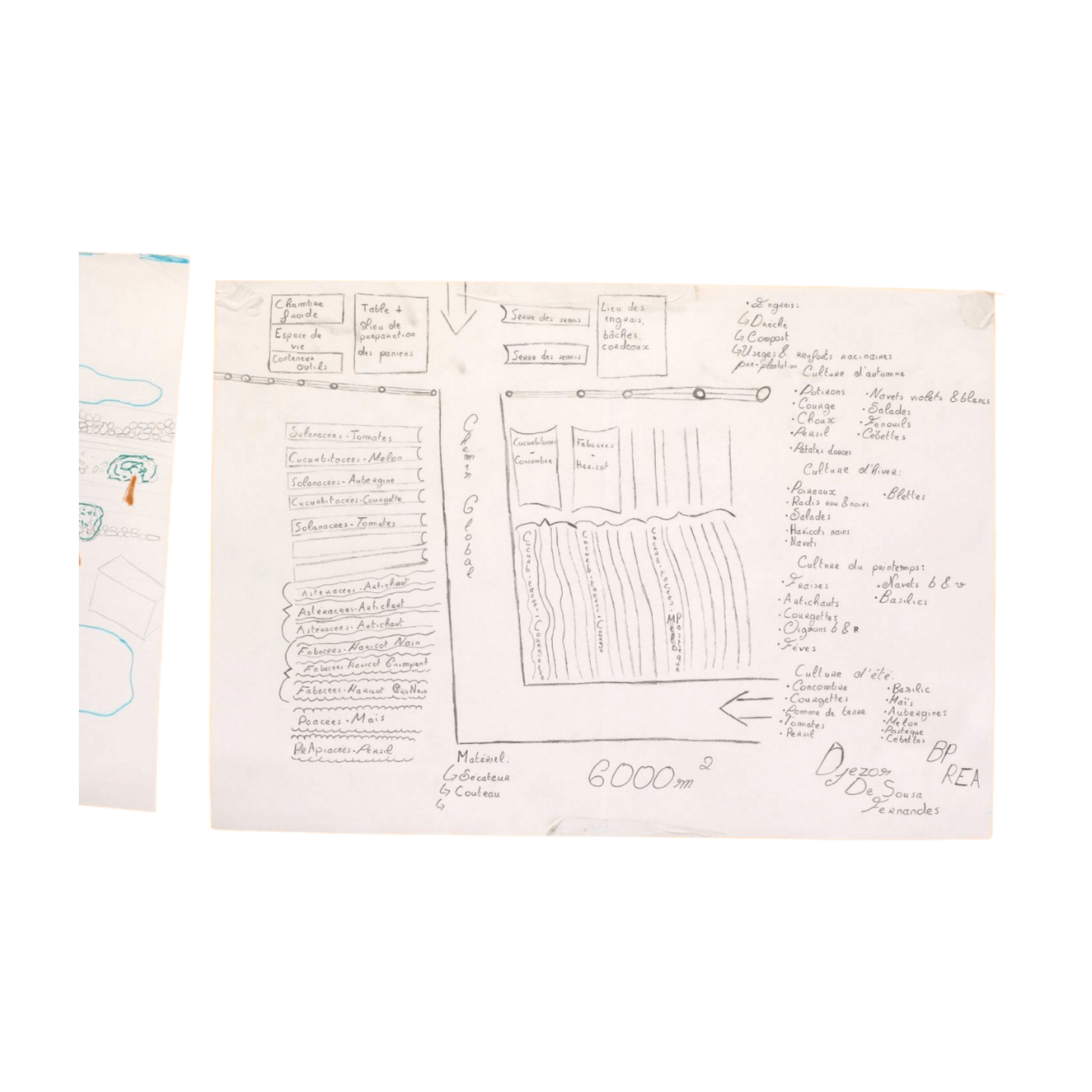
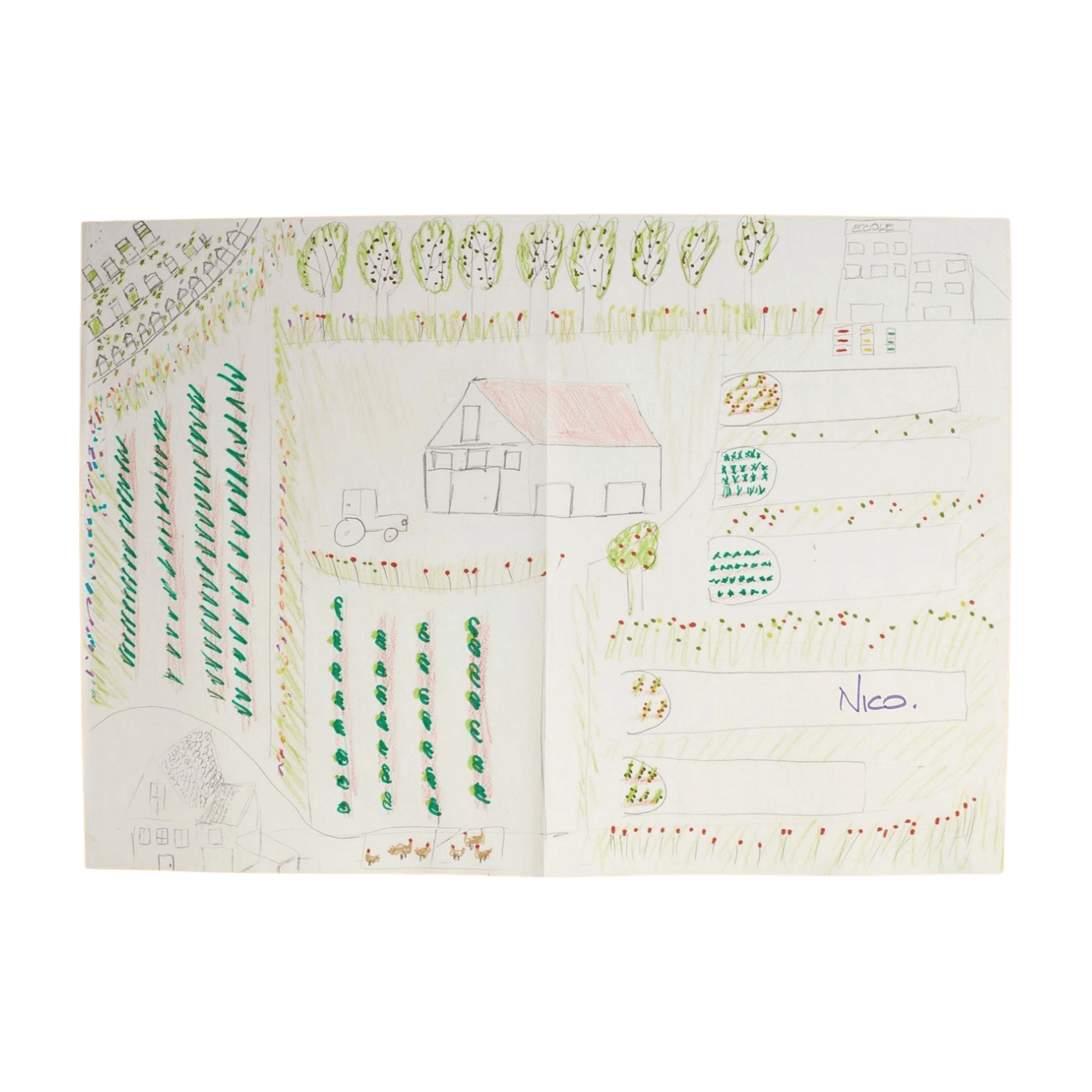
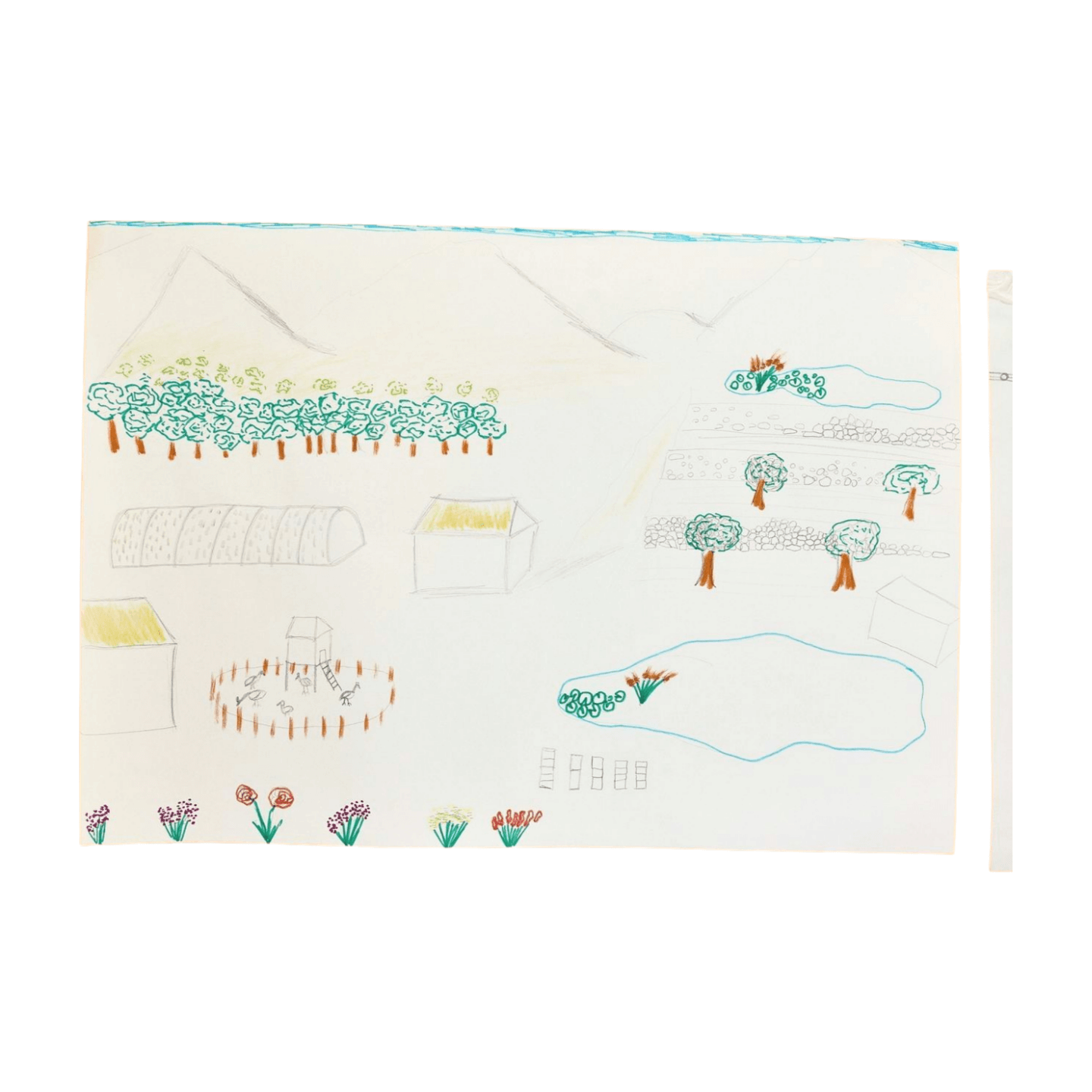
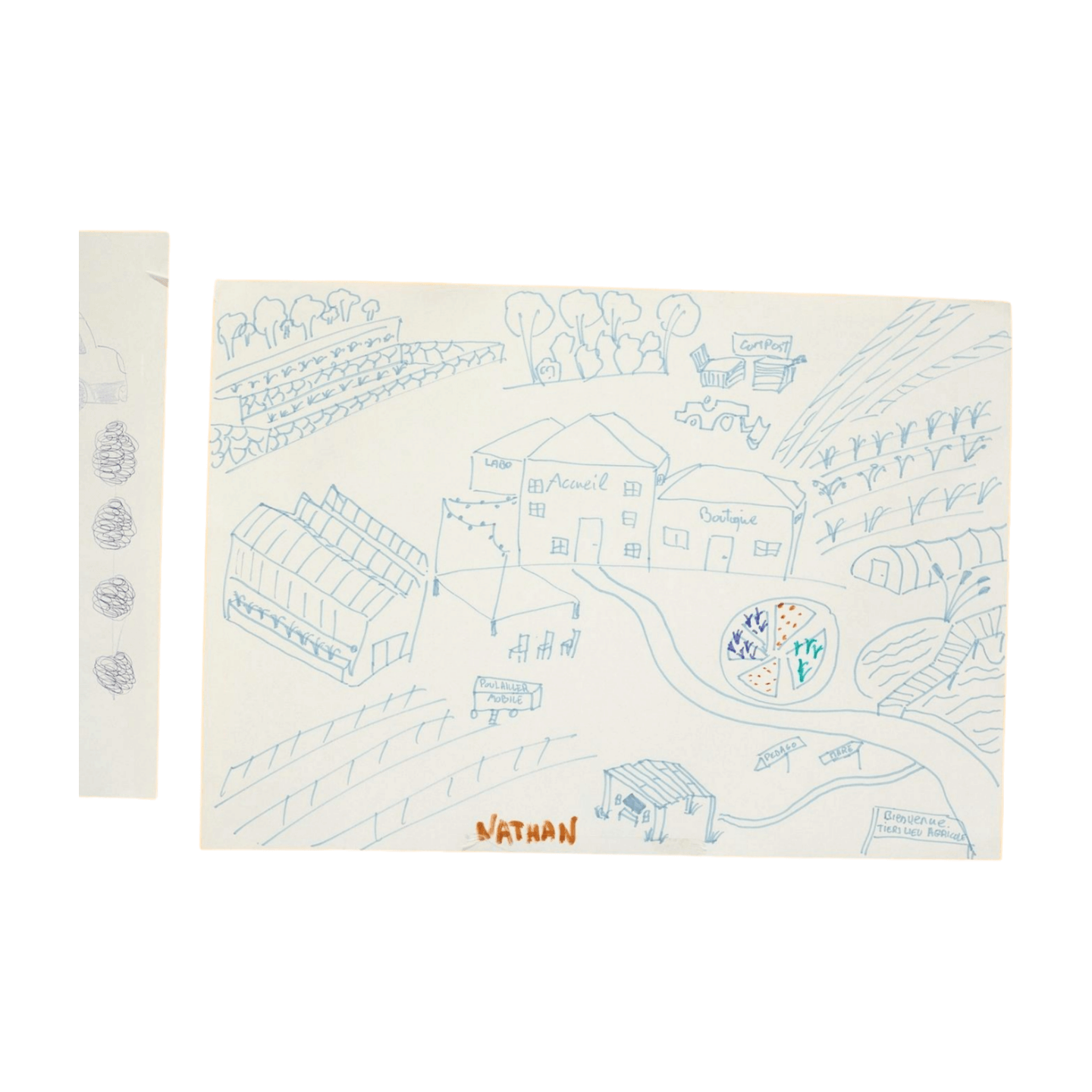
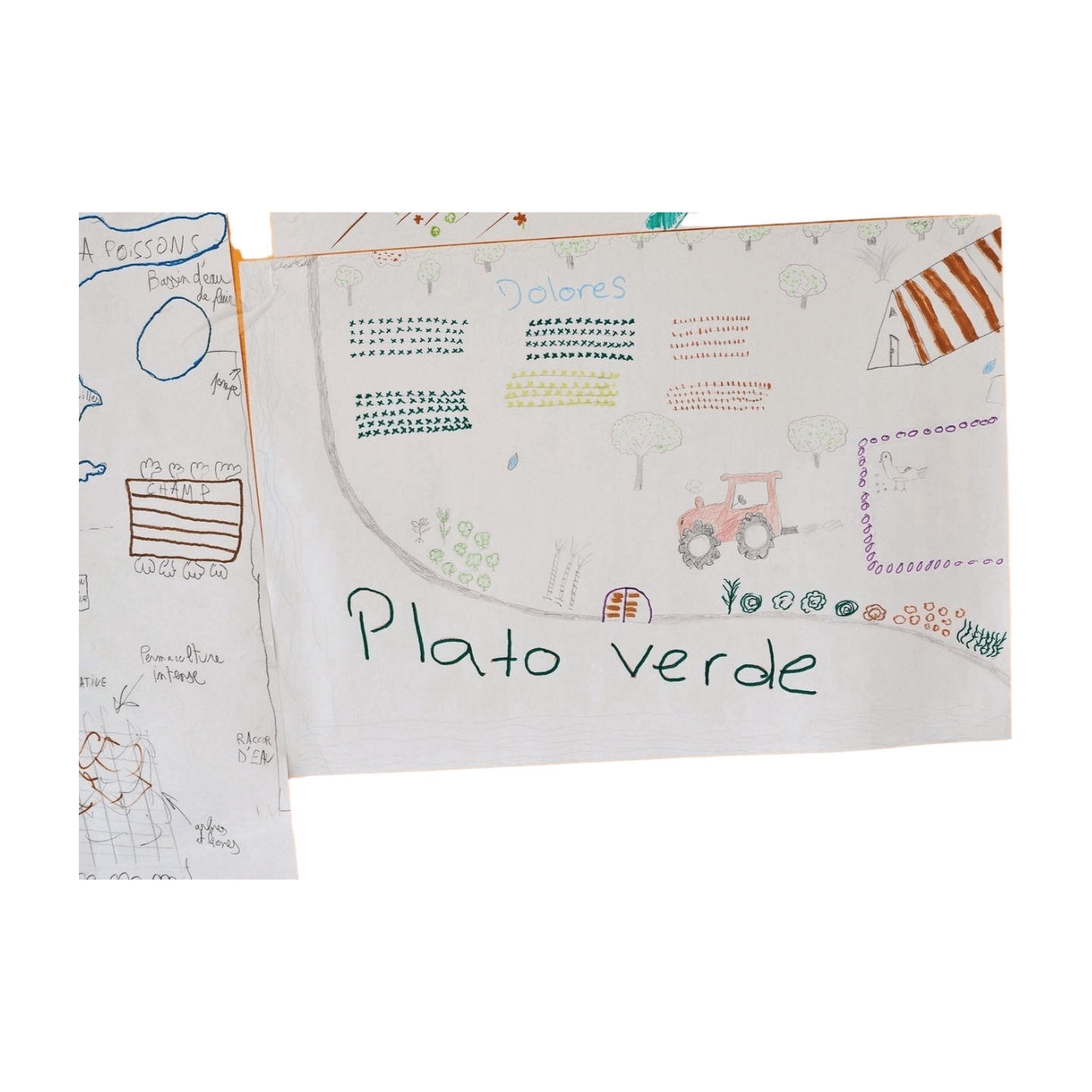
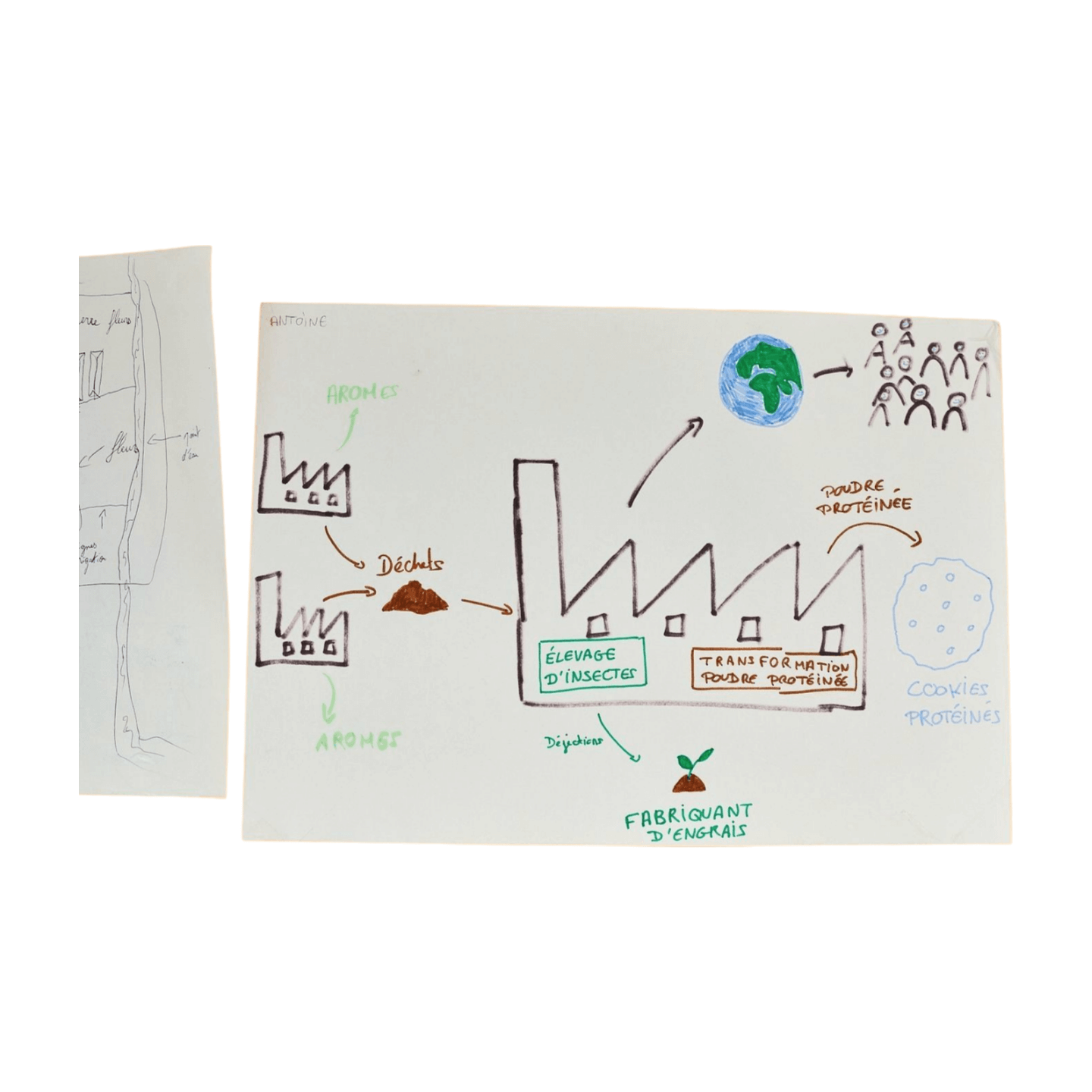
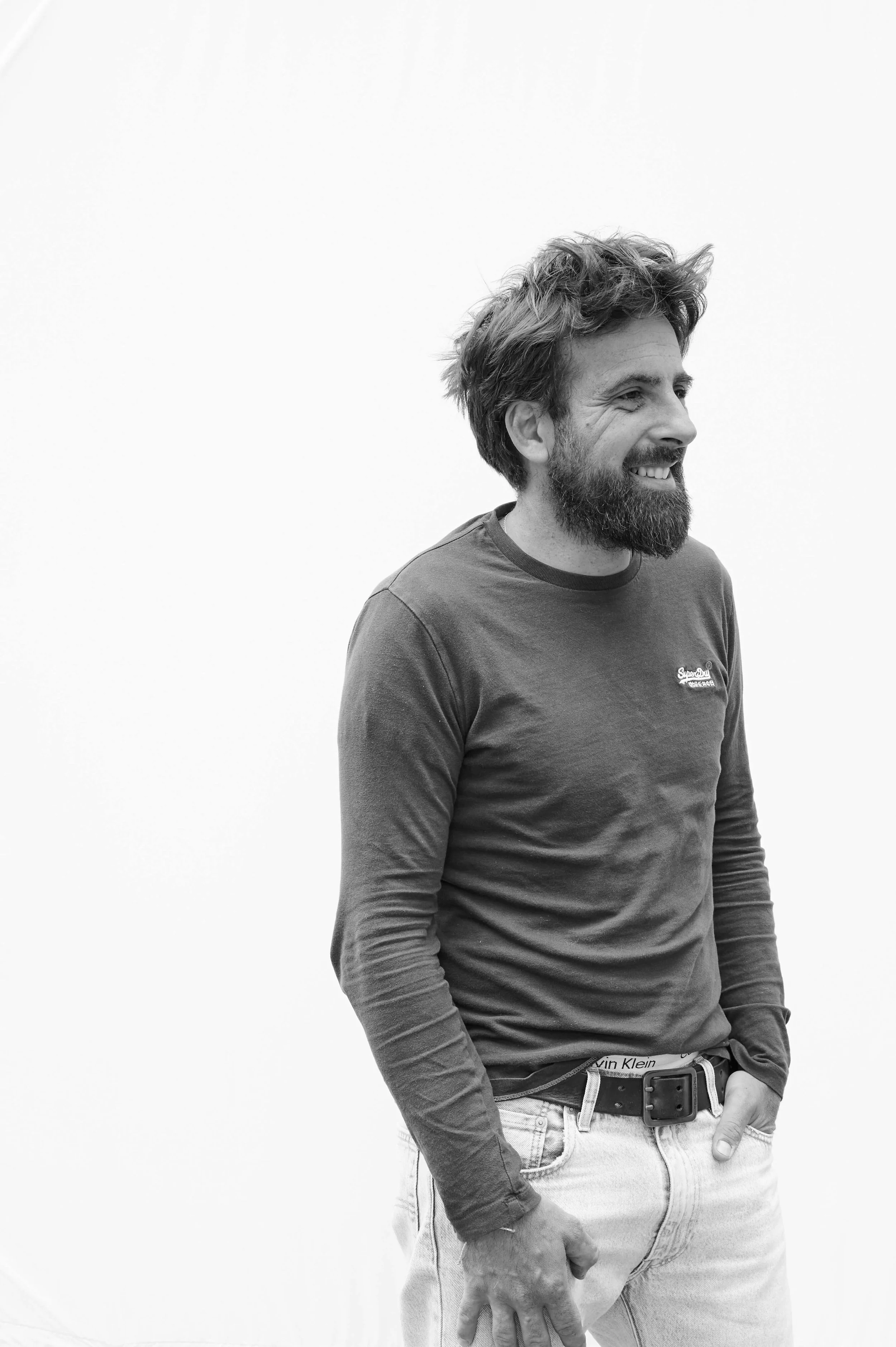
I am 45 years old and grew up in Nice, but I would go back to Saint Martin en Vésubie every weekend to visit my grandparents. I worked in retail for 25 years, most recently as an area manager at Carrefour, where I started my career in 2001. In 2007, I ended up in Mouans-Sartoux by chance, the commune that was pioneering sustainable food in the department. This gradually led me to develop my plan for a career change and a new life.
The municipality's policy made me reflect on the purpose of my job, which essentially involved selling as much as possible to generate maximum profit for the company. I used to leave for work at 6 a.m. and not get home until 7 p.m., and I felt like I was missing out on seeing my children grow up. I was spending my days doing things I didn't enjoy.
Then lockdown happened. I decided to create a shared vegetable garden on a strip of land in a car park opposite my house. Gilles Pérole invited me to join the 'Citoyen nourrit la ville' (Citizens Feed the City) initiative.
While talking to Gilles Pérole, I seized the opportunity to enrol on a training course to become a farmer at the Mouans-Sartoux farm. One of three positions will become available in the coming months. The salary won't be the same, of course. But how can I justify telling my daughters that they should do a job they love and find meaningful, when I don't do that myself? I want to set an example for them.
Today, I consider myself rich because I can afford to eat healthily. However, this is not the case for everyone, and I would like to see this change in the future.
I left my job at Carrefour in September 2024 to start the BP REA training course at Campus Vert d'Azur in Antibes. The course involves a lot of theory and specialised teaching from around twenty lecturers, many of whom are farmers, as well as practical application, which varies from case to case.
Before taking the plunge at the beginning of the year, I had never considered becoming a market gardener, and I regret that no one at school informs young people about the possibility of pursuing this career. According to the latest World Economic Forum, it will be one of the most in-demand careers by 2030.
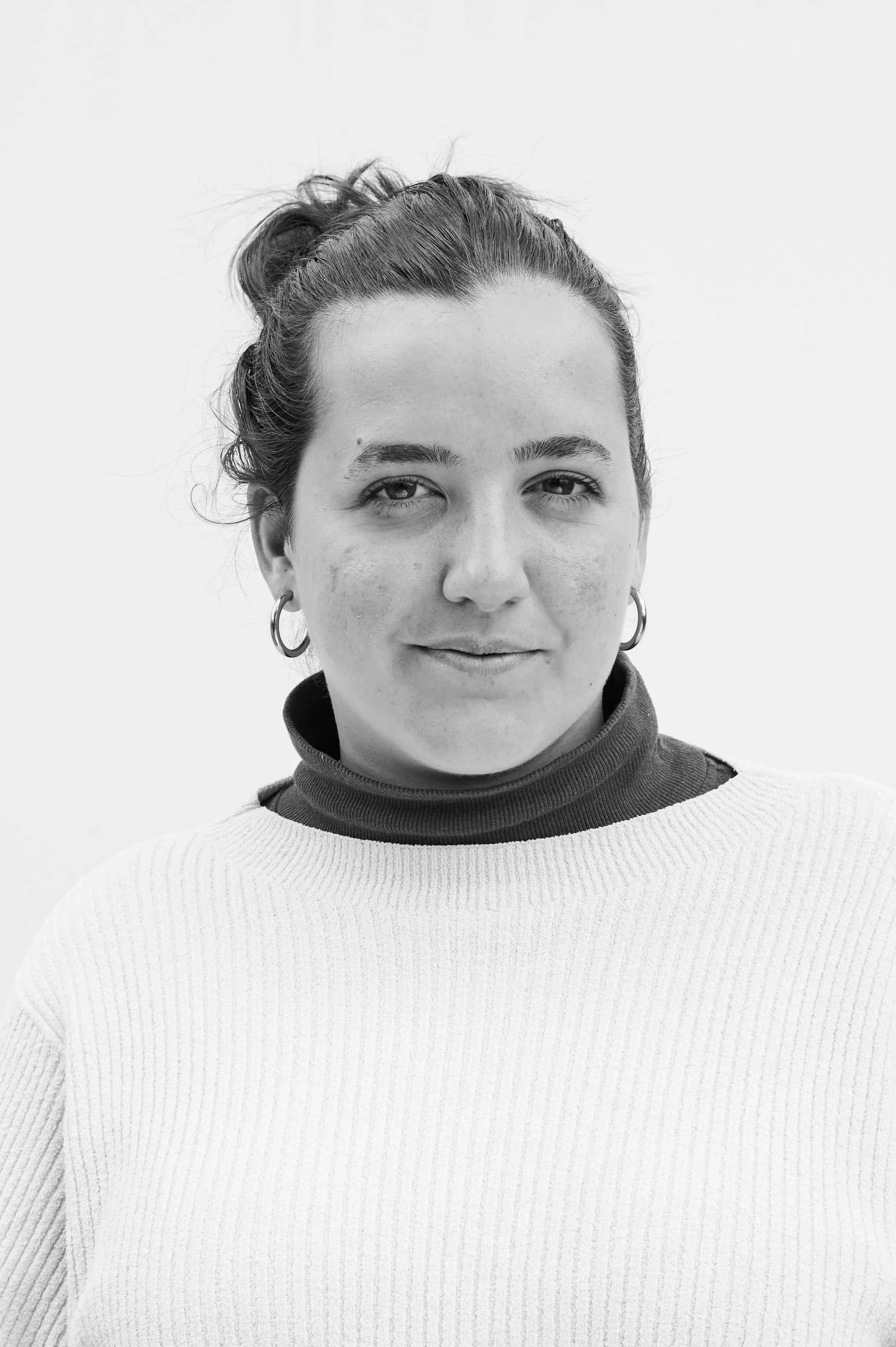
Nicolas
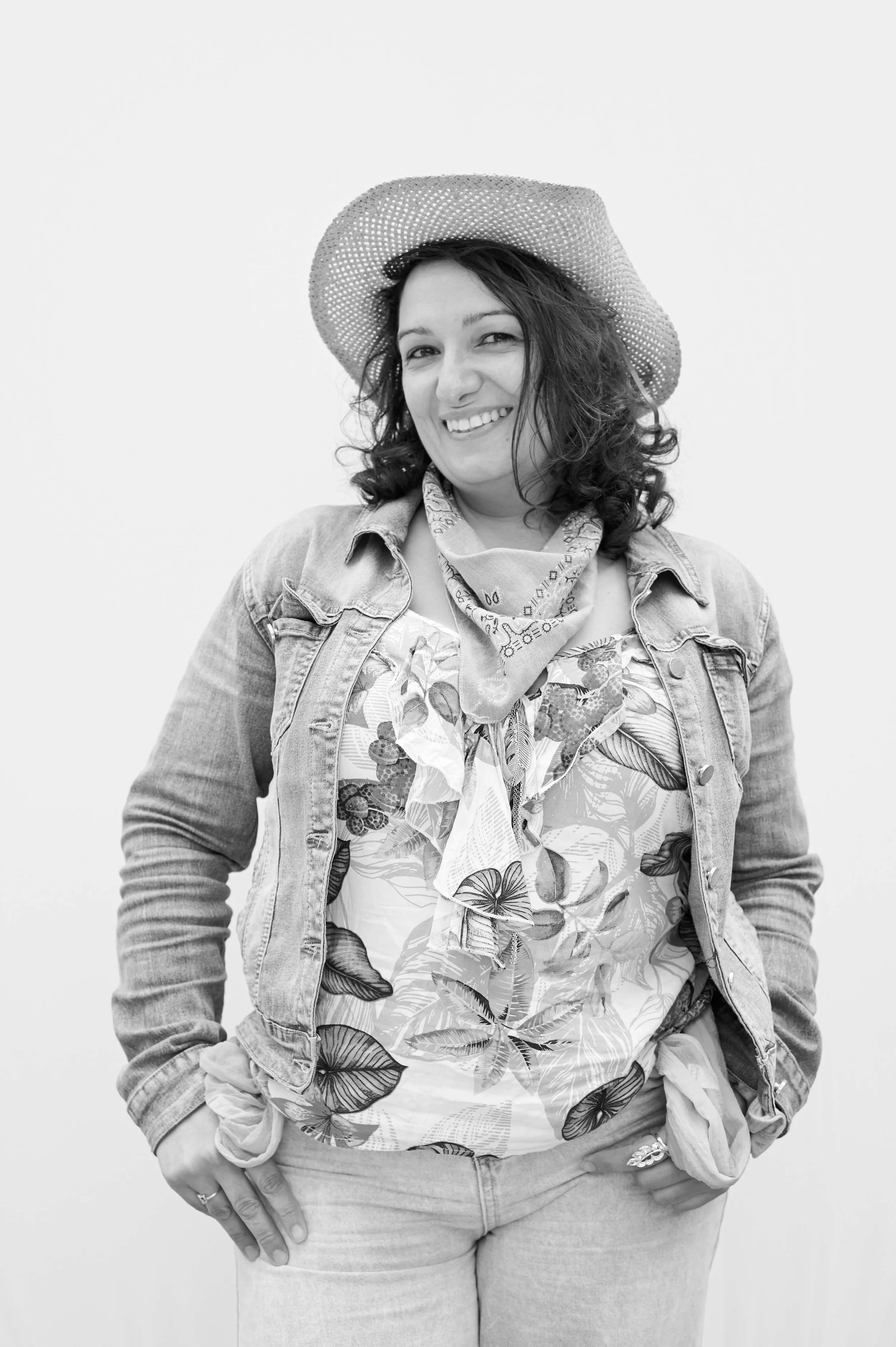
My name is Alex and I worked in fast food for years, mainly at McDonald's. I was working too much, and eventually I got fed up and left. I resigned because I wanted a change. I was a manager, and I couldn't take fast food anymore. I was there for years, seeing all the young students come and go while I gave more and more of my time and health by doing more and more cover shifts. There was a time when I was coming home at 4 a.m. and leaving again at 8 a.m. My children are now 20 and 15, and I decided that now was the right time to take the plunge.
I was looking for training courses, and when I saw the one on 'Discovering Agriculture', I knew it was right for me. My father owns some land in Comptes, and I wanted to acquire the necessary skills to take care of it in future. I enjoyed it and decided to take other courses, such as agroecology. The more courses I attended, the more I thought about my father's land, and I found myself dreaming about the plants and crops that could be grown there.
So I enrolled on the BP REA course, as this would allow me to acquire the necessary skills to replace farmers while being employed, rather than going straight into setting up my own agricultural business.
I want to combine French and Asian vegetables: I have been passionate about growing the latter since I was a child, and I want to combine them with typical vegetables from Provence. Each stage of the BP REA has allowed me to develop my project further, even though some trainers have been reluctant to embrace the idea of growing Asian vegetables. However, my current goal is to create my own little piece of Asia in Provence.
I'm considering incorporating agritourism and bed-and-breakfast accommodation into the house on the land, as it has great potential. If something were to happen to my father today, my sisters and I would have no choice but to sell up, whereas turning the property into an agricultural business would enable us to retain ownership and benefit from a number of tax exemptions.
I could restore the terraces and bring them back to life. I can already picture planters in the garden and guests strolling around!
Alex
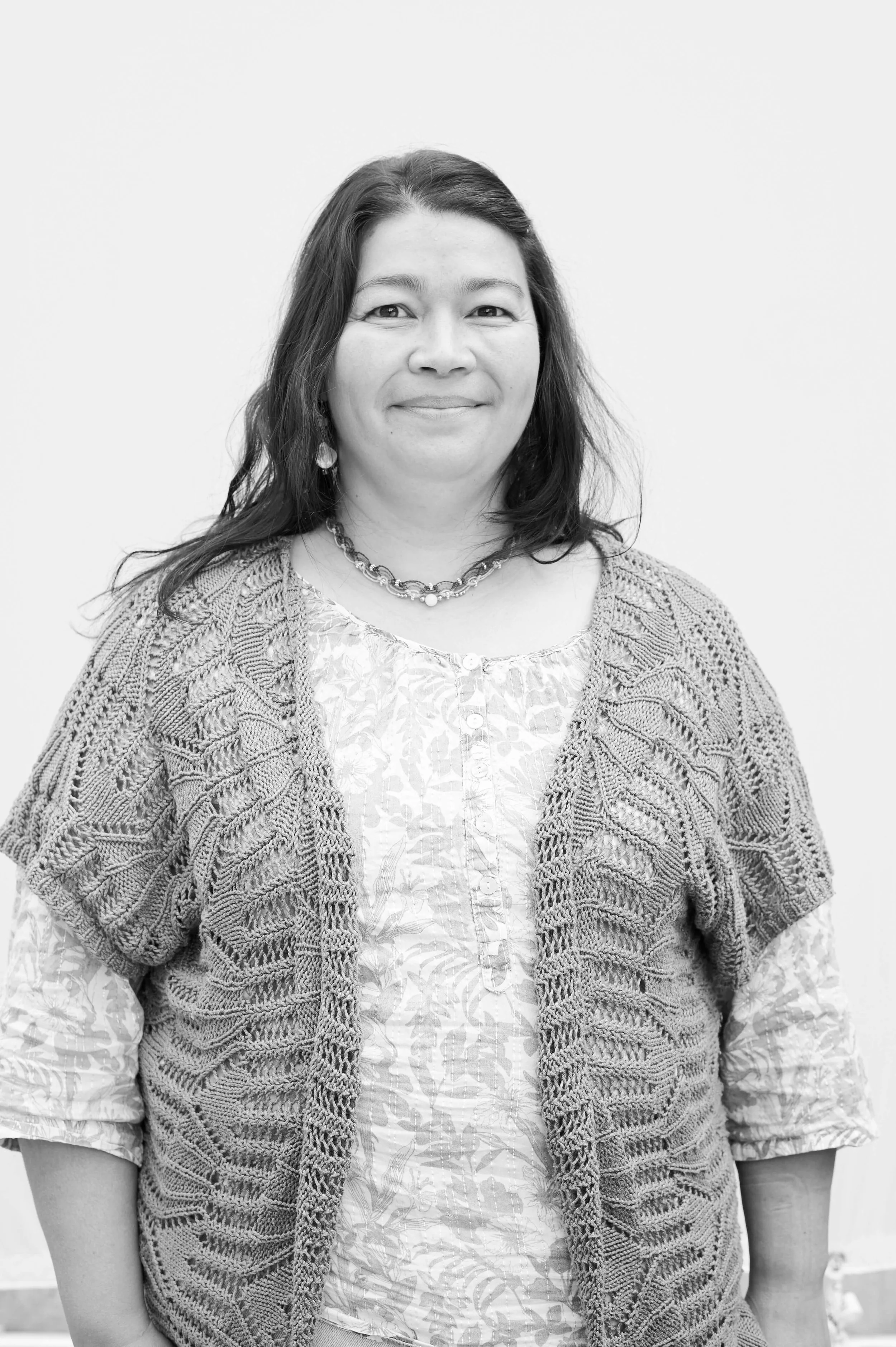
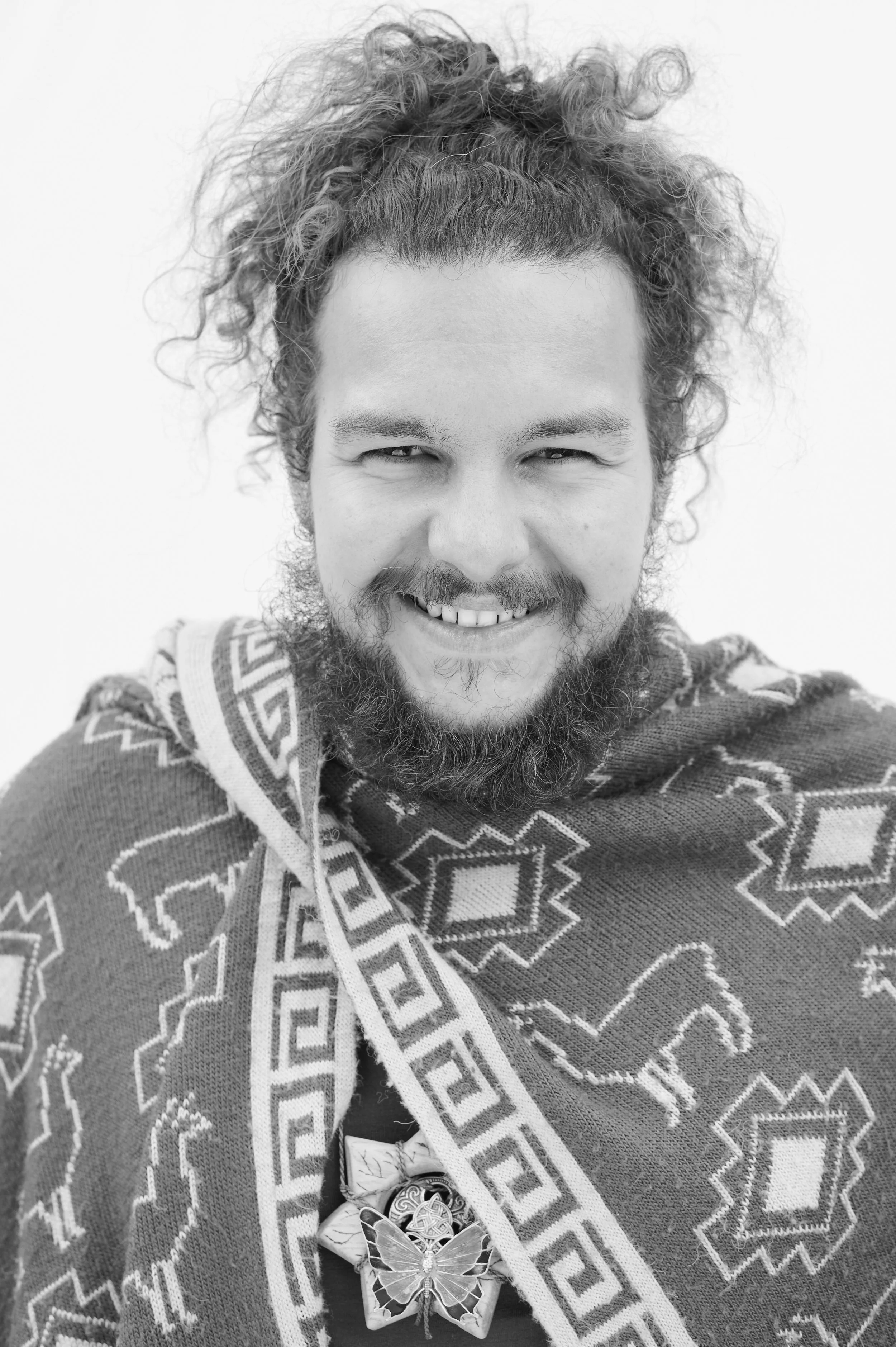
My land in Fuveau is where it all began.
My father had been looking for a place to store his equipment for a while, as he worked in construction. One day, after searching for a long time, he found an open gate. He went inside and discovered a malnourished woman and man in a shed. He called the emergency services, who told him that they were siblings. The neighbours who were supposed to be looking after them were letting them die. It's a crazy story. My father was in shock. The man had advanced gangrene and did not survive, while 'Granny Moustier' lived for another four years.
The neighbours had already prepared the paperwork to inherit the five-hectare plot of land. Ultimately, all of this was cancelled. The two landowners had debts, so my father sold the land to pay them off and then bought part of it back. When he died two years ago, I inherited the land with my brother and sister. It is agricultural land. I tried to convince my siblings to keep it and work on it together. My brother will take care of all the mechanical aspects, my sister will handle communications, and I will be the farmer. I can't wait to get my project off the ground. I don't want to grow vegetables, but pistachios and Provençal herbs. I'd like to start planting in the autumn.
I want to promote Provençal terroir; pistachio trees were grown here from the 7th to the 19th century. Then they were all uprooted to make way for vineyards.
I love this tree and its fruit! I am a member of the France Pistache union and I am trying to get the right information about growing pistachio trees. It will take between 5 and 8 years to get the fruit. It's a long time, but I'm patient! Pistachios are very popular. I've already approached chefs and ice cream makers, and they're all enthusiastic. They're tired of buying products that come from far away. Why should pistachios travel all the way from California when we can grow them here?
I'm also going to grow medicinal plants: cornflowers, chamomile, verbena and arnica, mainly for making herbal teas. My children are helping me. They are 8 and 10 years old and they are really into it! It's becoming a real family project. You have to follow your heart, even when everyone tells you you're crazy.
There are sheds on the land, and we want to renovate them and then perhaps move there to live as a family. My husband and I had planned to do this in our old age, but in the end, why wait? I can't wait to get started because I regret having already wasted too many years behind a desk.
Michèle.
As part of the 2021-2028 Agricultural and Rural Plan, the Alpes-Maritimes department is rolling out a major project: the Departmental Farm, which is part of the Green Deal policy. Its goal is to revive local, organic, and resilient agriculture on fallow land in order to strengthen the region's food sovereignty.
I would like to thank Victoire Moreau from the communications department at Campus Vert d’Azur, who I first contacted and who gave me a lot of freedom to work on this story and Carine Vilardell for her help, her good humor, and our enriching conversations.
I am grateful to the students for sharing their stories and these precious moments.